Your Ultimate Guide to Healthy, Glowing Skin – Expert Tips, Honest Reviews & Skincare Secrets!

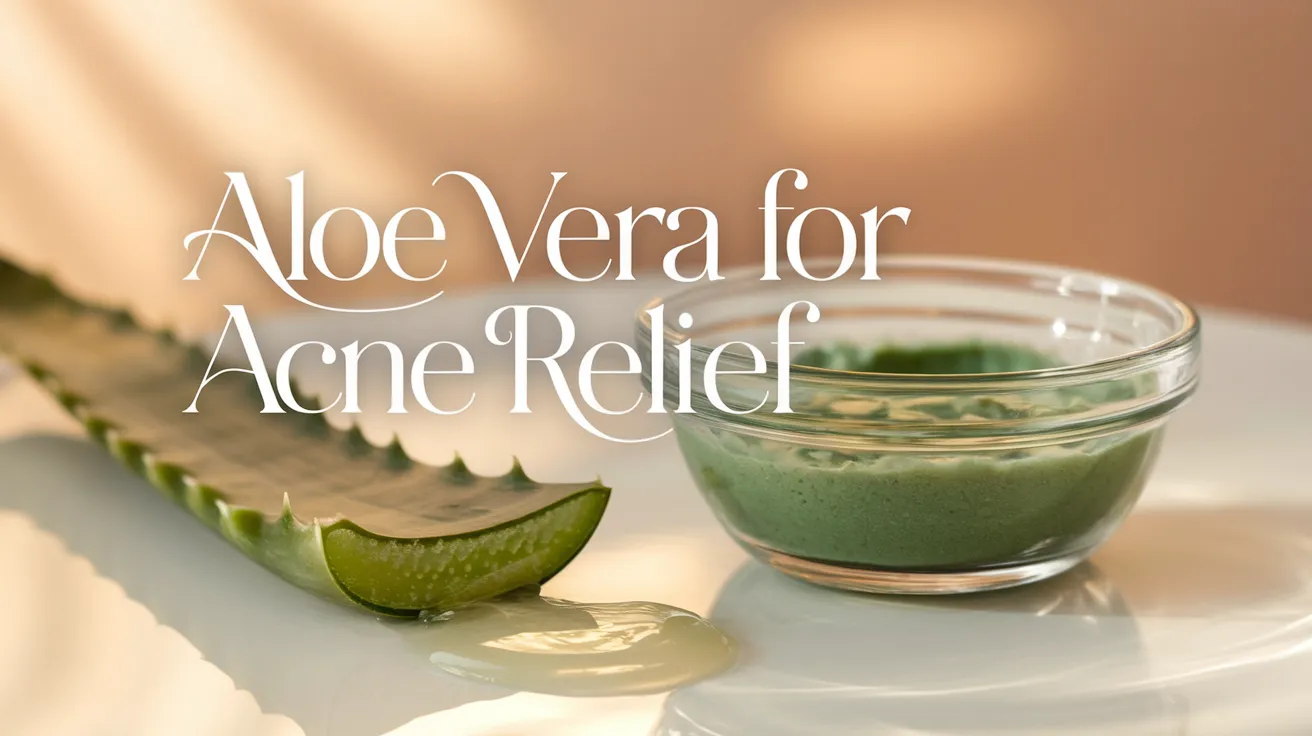
You wake up with clear skin, but by bedtime, angry red bumps have appeared seemingly out of nowhere. If you’re dealing with acne that mysteriously worsens at night, you’re not alone—and there’s a simple plant-based solution that’s been treating inflamed skin for thousands of years.
This guide is for anyone frustrated with nighttime acne flare-ups who wants a gentle, natural approach to clearer skin. Whether you’re a teenager battling hormonal breakouts or an adult dealing with stress-related acne, you’ll discover how pure aloe vera gel can become your nighttime skincare game-changer.
We’ll explore why your acne gets worse after dark and how aloe vera’s anti-inflammatory properties target the root causes. You’ll learn proven aloe vera acne treatment methods that work while you sleep, from simple overnight spot treatments to powerful homemade aloe vera acne mask combinations that reduce redness and calm irritated skin by morning.
Aloe vera’s powerful anti-inflammatory capabilities make it exceptionally effective for treating acne-related inflammation. The plant contains natural anti-inflammatory compounds that work to calm irritated skin, providing immediate relief from the redness and swelling commonly associated with breakouts. When applied topically, aloe vera acts as a gentle, natural anti-inflammatory agent that helps reduce the visible signs of acne without harsh side effects.
The anti-inflammatory properties of aloe vera are particularly beneficial for those experiencing moderate to severe acne symptoms. By applying pure aloe vera gel to inflamed areas, users can expect to see a noticeable reduction in redness and irritation, often overnight. This makes aloe vera for acne an ideal spot treatment that can be left on the skin for extended periods to maximize its healing benefits.
The antibacterial properties of aloe vera play a crucial role in its effectiveness as an aloe vera acne treatment. Aloe vera contains specific antibacterial compounds, including gibberellins and polysaccharides, that actively work to eliminate the bacteria responsible for causing acne breakouts. These natural antibacterial agents help control and reduce acne-causing bacteria while simultaneously tightening pores and removing excess sebum, dirt, and dead skin cells that can clog pores.
When used as part of a regular skincare routine, pure aloe vera gel acne treatments can significantly reduce the bacterial load on the skin’s surface. The antibacterial effect is enhanced when aloe vera is applied generously to the face, boosting blood flow in the skin while killing off harmful bacteria. This dual action makes aloe vera particularly effective for preventing new breakouts while treating existing acne.
Aloe vera’s rich antioxidant profile contributes significantly to its acne-fighting capabilities. The plant contains essential vitamins including vitamin C and vitamin E, along with zinc, all of which work together to stimulate healthy skin cell growth and accelerate the healing process. These antioxidants help damaged skin recover more quickly and promote the regeneration of healthy skin tissue.
The antioxidant properties are especially valuable for addressing aloe vera acne scars redness, as they help fade scarring effectively over time. The combination of antioxidants and cell growth stimulation means that aloe vera not only treats active acne but also helps repair the skin damage left behind by previous breakouts. This makes it an excellent long-term solution for comprehensive acne treatment.
One of aloe vera’s most valuable properties for acne treatment is its ability to provide natural moisturization without clogging pores. Unlike many commercial moisturizers that can exacerbate acne by blocking pores, aloe vera hydrates the skin while maintaining its breathability. This unique characteristic makes it suitable for all skin types, including acne-prone and sensitive skin.
The natural moisturizing properties help prevent the overproduction of oils that can lead to clogged pores and subsequent breakouts. When skin is properly hydrated with anti-inflammatory skincare acne treatments like aloe vera, it maintains its natural balance and is less likely to produce excess sebum. This moisturizing effect, combined with aloe vera’s other beneficial properties, creates an optimal environment for clear, healthy skin while supporting the skin’s natural healing processes.
Pure aloe vera gel serves as an excellent replacement for traditional cleansers when treating acne-prone skin. The pure aloe vera gel acne treatment method leverages the plant’s natural antibacterial, anti-inflammatory, and antioxidant properties that have been proven effective for centuries in wound healing and skin treatment.
To use aloe vera for acne as a cleanser replacement, purchase pure aloe vera and apply it generously to your face instead of your regular cleanser. This method works by boosting blood flow in your skin while simultaneously killing harmful bacteria that contribute to breakouts. The anti-inflammatory skincare acne benefits of aloe vera make it particularly gentle compared to harsh chemical cleansers, with very few people experiencing allergic reactions to topical application.
The antibacterial agents in aloe vera actively remove bacteria from the skin surface, significantly reducing the risk of new spots developing. This natural acne remedies aloe approach poses extremely low risk while providing the cleansing benefits your skin needs without stripping away natural oils or causing irritation.
Now that we’ve covered the cleansing application, let’s explore how aloe vera acne treatment works as a targeted overnight therapy. For existing acne breakouts, applying pure aloe vera directly to affected areas and leaving it on overnight creates an intensive treatment that works while you sleep.
The reduce acne inflammation naturally approach involves applying aloe vera generously to breakout areas before bed, allowing the anti-inflammatory compounds to work throughout the night. The gel penetrates deep into the skin, targeting the inflammation and bacteria at the source of the breakout. In the morning, simply wash off the aloe vera with water to reveal reduced redness and irritation.
This overnight spot treatment method is particularly effective because it gives the aloe vera gel inflamed acne treatment extended contact time with problem areas. The continuous application allows the natural healing compounds to work uninterrupted, making it an ideal solution for persistent breakouts that need intensive care.
With this in mind, next, we’ll see how creating a homemade aloe vera acne spray provides daily maintenance for acne-prone skin. This DIY antibacterial spray offers a convenient way to hydrate your face throughout the day without causing shine or overproduction of oils that can clog pores.
To create this aloe vera face mask acne alternative spray, use a 2-ounce spray bottle and combine 1¼ ounces of purified water with ½ ounce of pure aloe vera gel. Add one or two drops of your favorite nontoxic essential oil for additional antibacterial benefits. This mixture creates approximately a 2:1 ratio of water to aloe vera, ensuring proper dilution while maintaining effectiveness.
The aloe vera acne scars redness reducing properties make this spray excellent for daily use, as it can stimulate healthy skin cell growth while providing consistent hydration. Always shake the bottle well before each use and be careful to avoid the eye area when applying. This cooling, acne-fighting mist can be used multiple times throughout the day to maintain skin health and prevent new breakouts from forming.
This powerful aloe vera face mask acne combination harnesses the antibacterial properties of all three ingredients to create a potent treatment for acne-prone skin. Both cinnamon and honey have been studied and found to have the same antibacterial effects as aloe vera, making this trio exceptionally effective for controlling and reducing acne-causing bacteria.
To prepare this anti-inflammatory skincare acne mask, start with 2 tablespoons of pure honey as your base. Mix in 1 tablespoon of pure aloe vera gel, ensuring the mixture maintains an easy-to-spread consistency without becoming runny. Add 1/4 tablespoon of ground cinnamon and blend thoroughly before applying to your face.
Leave this homemade aloe vera acne mask on for 5 to 10 minutes, allowing the combined antibacterial agents to work their magic. The honey provides natural antimicrobial properties, while cinnamon adds additional bacteria-fighting compounds, and aloe vera contributes its anti-inflammatory benefits to reduce acne inflammation naturally. Rinse thoroughly with warm water after application to remove all residue.
Now that we’ve covered the honey-cinnamon combination, this aloe vera for acne treatment incorporates citric acid from lemon juice to provide deep pore cleansing and bacterial elimination. Clinical trials have demonstrated that fruit acids, particularly those found in lemon juice, serve as effective cleansers for treating acne while giving your face a refreshed and invigorated appearance.
For this natural acne remedies aloe mask, use pure aloe vera gel as your foundation, adding approximately 1/4 teaspoon of fresh lemon juice to 2 tablespoons of aloe vera. Maintain a crucial 8-to-1 ratio of aloe vera to lemon juice to prevent skin irritation from the citrus acidity. If you need more product to cover your entire face evenly, scale up while preserving this precise ratio.
Apply this mixture evenly across your skin, carefully avoiding the sensitive eye area. Allow the mask to work for 5 to 10 minutes before rinsing completely with cool water. The lemon’s fruit acids work to cleanse pores deeply while the aloe vera soothes inflammation and provides antibacterial benefits.
With this in mind, next we’ll explore combining aloe vera acne treatment with tea tree oil, a proven antibacterial and acne-fighting ingredient. Research published in 2017 confirms that tea tree oil gels and face washes effectively treat mild to moderate acne, making this combination particularly potent for stubborn breakouts.
This pure aloe vera gel acne cleanser requires careful preparation due to tea tree oil’s potency. Use aloe vera as your base, then add purified water and only 2 to 3 drops of tea tree essential oil. The aloe vera acts as a gentle carrier, moderating the tea tree oil’s intensity while maintaining its effectiveness.
Apply this mixture carefully to affected areas, but never leave it on your face for extended periods. Tea tree oil is extremely potent and acidic, so limit contact to about one minute before thoroughly rinsing with water and patting your face dry. Some individuals may be sensitive to tea tree oil, making the patch test essential before full facial application.
Previously, we’ve discussed various antibacterial combinations, but this aloe vera face mask acne treatment focuses specifically on reducing inflammation through turmeric’s anti-inflammatory compounds combined with honey’s healing properties. While the reference content doesn’t provide specific measurements for turmeric combinations, it emphasizes aloe vera’s anti-inflammatory capabilities that make it effective when combined with other soothing ingredients.
The anti-inflammatory properties of aloe vera work synergistically with honey’s natural healing compounds to create a mask that specifically targets inflamed acne lesions. This combination is particularly beneficial for those dealing with aloe vera acne scars redness, as the anti-inflammatory action helps calm irritated skin while promoting healthy skin cell growth.
When preparing any turmeric-based mask with aloe vera, remember that aloe vera’s gentle nature makes it an ideal base for potentially irritating ingredients, helping to moderate their effects while delivering their benefits effectively to acne-prone skin.
Previously, I’ve discussed various aloe vera face mask combinations, and now we’ll explore how to create an effective aloe vera acne treatment that combines exfoliation with deep moisturizing benefits. The sugar and coconut oil scrub with aloe vera represents one of the most comprehensive natural acne remedies aloe can offer.
This powerful DIY exfoliator works by combining three scientifically-backed ingredients that target different aspects of acne formation. Sugar acts as a natural exfoliant, gently removing dead skin cells that can block pores and lead to breakouts. Raw or white cane sugar specifically helps brighten skin tone while retaining moisture for lasting hydration, making it an excellent choice for pure aloe vera gel acne treatments.
Coconut oil serves as the base ingredient, bringing its own antibacterial properties to combat acne-causing bacteria. The main acid in coconut oil has been studied and found to be a promising acne treatment, while also functioning as a natural emollient to keep skin smooth and hydrated. When combined with aloe vera’s anti-inflammatory skincare acne benefits, this creates a synergistic effect that addresses multiple acne triggers simultaneously.
To create this homemade aloe vera acne mask, use coconut oil as your base by mixing ½ cup of coconut oil with ½ cup of raw or white sugar. Mix these ingredients well before pouring in ¼ cup of pure aloe vera gel. This creates an exfoliating blend that can be stored in the refrigerator for future use.
Application is straightforward but requires gentle technique. Gently scrub the mixture over your face while carefully avoiding the delicate eye area. The combination works to stimulate healthy skin cell growth while the exfoliating action clears a path for aloe vera to penetrate deeper into the skin. Always rinse well with water after using to remove all residue.
With this sugar scrub foundation established, next we’ll explore another powerful exfoliating treatment that focuses on chemical exfoliation rather than physical. While the reference content doesn’t specifically detail apple cider vinegar combinations with aloe vera, it does highlight the effectiveness of fruit acids in acne treatment, particularly when discussing lemon juice face masks.
The principle behind acid-based exfoliation involves using naturally occurring acids to dissolve dead skin cells and unclog pores without the physical abrasion of scrubs. This gentler approach can be particularly beneficial for those with sensitive or inflamed acne-prone skin who need reduce acne inflammation naturally solutions.
When creating acid-based treatments with aloe vera, maintaining proper ratios is crucial to avoid skin irritation. The reference content emphasizes maintaining an 8 to 1 ratio when combining acidic ingredients with aloe vera to prevent overwhelming the skin with excessive acidity. This same principle would apply to any vinegar-based treatments, ensuring the aloe vera for acne benefits aren’t overshadowed by potential irritation.
The application process for acid-based treatments typically involves leaving the mixture on skin for 5 to 10 minutes before rinsing off completely. This contact time allows the acids to work effectively while the aloe vera provides soothing, anti-inflammatory benefits that can help aloe vera acne scars redness concerns.
For those considering acid-based exfoliation, it’s essential to start with lower concentrations and shorter contact times to assess skin tolerance before progressing to stronger formulations.
Now that we have covered various DIY methods, many people prefer the convenience of ready-made products that incorporate aloe vera for acne treatment. The skincare industry has recognized the powerful anti-inflammatory properties of aloe vera, leading to numerous commercial formulations that combine this ancient plant with other acne-fighting ingredients.
Professional acne treatment systems like Proactiv have incorporated aloe vera into their formulations alongside proven active ingredients. The Proactiv Solution 3-Step System, designed for oily and combination skin, features aloe vera combined with witch hazel and allantoin to provide soothing benefits while delivering benzoyl peroxide for acne treatment. This combination helps reduce acne inflammation naturally while preventing the excessive dryness often associated with traditional acne treatments.
The advantage of over-the-counter creams containing aloe vera lies in their balanced formulations. These products typically combine the anti-inflammatory skincare properties of aloe with clinically proven acne-fighting ingredients like benzoyl peroxide or salicylic acid. This dual approach addresses both the inflammatory aspect of acne and the underlying bacterial causes, making them effective natural acne remedies for those seeking professional-grade results.
Many commercial aloe vera acne treatments also include complementary ingredients such as hyaluronic acid for hydration, green tea for additional antioxidant benefits, and kojic acid for addressing acne scars and redness. These comprehensive formulations offer a more sophisticated approach than using pure aloe vera gel alone.
With this in mind, selecting high-quality pure aloe vera gel acne products requires careful consideration of the manufacturer’s practices and ingredient transparency. The quality of commercial aloe vera products can vary dramatically depending on the source, processing methods, and concentration of active aloe compounds.
Reputable manufacturers like Curaloe demonstrate their commitment to quality by controlling the entire production process from cultivation to bottling. Their approach of growing and harvesting aloe vera in their own fields ensures that every leaf’s potent properties are captured and preserved. This farm-to-bottle process maintains the integrity of the plant’s natural compounds that make aloe vera effective for reducing acne inflammation.
When evaluating aloe vera gel for inflamed acne, look for products that specify the percentage of pure aloe vera content. High-quality formulations typically contain 90% or higher concentrations of pure aloe extract. Avoid products with excessive fillers, artificial colors, or harsh preservatives that could counteract aloe’s soothing properties.
The freshness factor is crucial when selecting aloe vera products for acne treatment. Manufacturers who emphasize bringing “the freshest and most authentic” aloe vera from plant to bottle typically employ proper extraction and preservation techniques that maintain the plant’s bioactive compounds. These companies often provide detailed information about their harvesting and processing methods, demonstrating transparency in their quality control measures.
Consider products that undergo third-party testing for purity and potency. Reputable manufacturers will readily provide certificates of analysis or quality assurance documentation, ensuring that their aloe vera gel contains the therapeutic compounds necessary for effective acne treatment while remaining free from harmful contaminants.
Before applying aloe vera for acne treatment to your entire face, conducting a patch test is essential to prevent adverse reactions. Apply a small amount of pure aloe vera gel to a discrete area of skin, such as behind your ear or on your inner wrist. Wait 24-48 hours and monitor for any signs of burning, itching, rash, or eczema – reactions that have been occasionally reported with topical aloe vera use.
While aloe gel is generally well tolerated, individual sensitivities can occur. This simple precaution helps identify potential allergic reactions before widespread facial application, protecting your skin from unnecessary irritation that could worsen existing acne conditions.
Now that we’ve covered the importance of patch testing, understanding proper application ratios becomes crucial for safe aloe vera acne treatment. When using pure aloe vera gel for inflamed acne, start with small amounts and gradually increase as your skin adapts to the treatment.
For homemade aloe vera acne masks combining aloe with other ingredients, maintain aloe as the primary component – typically 70-80% of the mixture. This ensures you receive the anti-inflammatory benefits while minimizing potential irritation from additional components. Research studies that demonstrated aloe vera’s effectiveness for acne used controlled concentrations, suggesting that more isn’t always better when it comes to natural acne remedies.
Avoid overuse of any aloe vera products, as excessive application can lead to skin sensitivity or interfere with your skin’s natural healing processes.
With this in mind, it’s important to understand that while topical aloe vera gel application is safe for acne treatment, oral consumption requires extreme caution. Research indicates that short-term use of oral aloe gel up to 42 days appears safe, but larger quantities or extended use can be dangerous.
Taking aloe latex orally – even as little as 1 gram daily for a few days – can cause short-term kidney failure and may be fatal. Oral consumption of aloe leaf extracts has been linked to cases of acute hepatitis, with exposure periods ranging from just 3 weeks to 5 years.
The International Agency for Research on Cancer has classified whole leaf extract of aloe vera as a possible carcinogen in humans. For acne treatment purposes, stick exclusively to topical application of pure aloe vera gel rather than consuming aloe products.
Previously, we’ve discussed general safety guidelines, but pregnant and breastfeeding women require additional precautions when considering aloe vera for acne treatment. According to medical research, aloe vera – whether in gel, latex, or whole leaf extract form – may be unsafe during pregnancy and breastfeeding when taken orally.
While topical application of aloe vera gel for acne appears to have a better safety profile, pregnant and breastfeeding women should consult their healthcare provider before using any aloe vera products. Hormonal changes during pregnancy and breastfeeding can affect skin sensitivity and reaction patterns, making professional guidance essential.
Healthcare providers can assess individual circumstances and provide personalized recommendations for safe, natural acne treatment options during these sensitive periods. This consultation ensures both maternal and infant safety while addressing acne concerns effectively.
Aloe vera emerges as a powerful, natural solution for nighttime acne flare-ups, offering multiple pathways to clearer skin. From pure topical applications to targeted face mask combinations with honey, lemon juice, or tea tree oil, this ancient plant provides antibacterial, anti-inflammatory, and healing properties that work while you sleep. The various treatment methods outlined—including gentle exfoliating scrubs and commercial products—give you flexibility to find the approach that works best for your skin type and severity of acne.
Before incorporating aloe vera into your nighttime routine, remember to perform a patch test and follow proper usage guidelines to ensure safety. With its proven track record spanning centuries and modern scientific backing, aloe vera represents a gentle yet effective alternative to harsh chemical treatments. Start with simple pure aloe vera applications, and gradually explore the more complex combinations to discover your optimal acne-fighting regimen that transforms your skin overnight.

Skincare researcher and content creator dedicated to helping readers achieve healthy, glowing skin. With a deep understanding of skincare ingredients, routines, and industry trends, she combines scientific insights with practical tips to educate and empower her audience.