Your Ultimate Guide to Healthy, Glowing Skin – Expert Tips, Honest Reviews & Skincare Secrets!

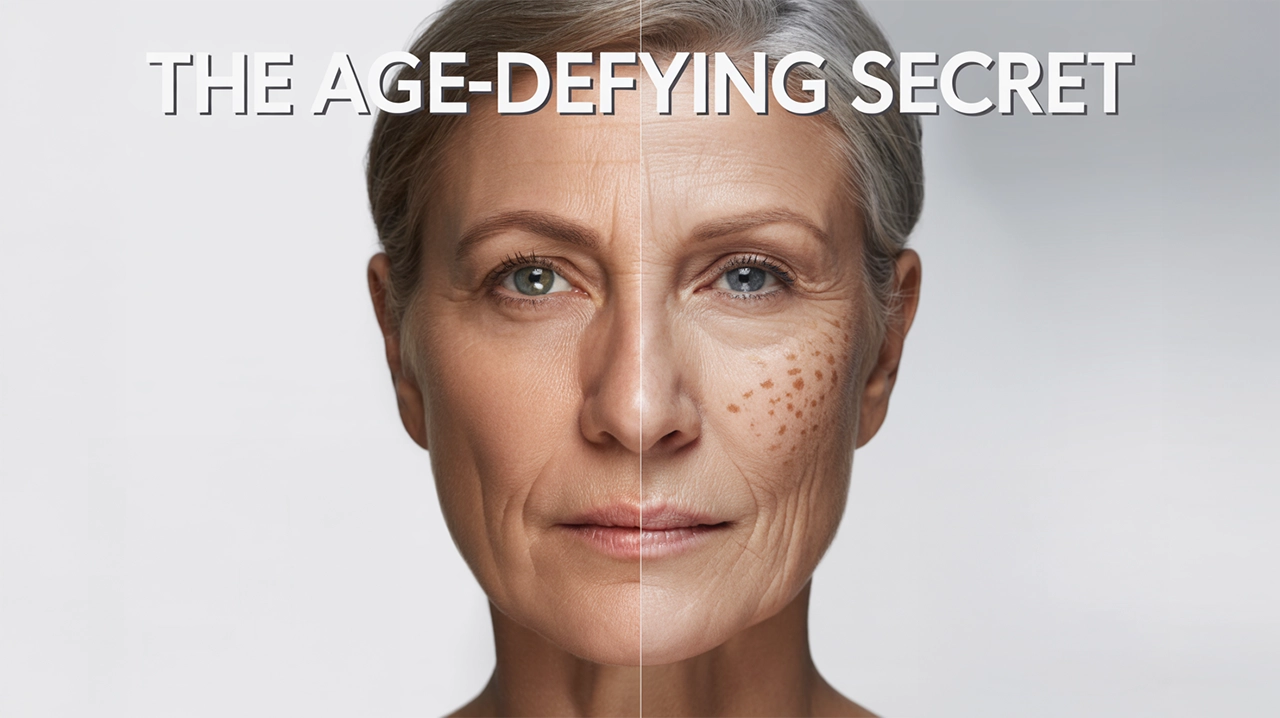
You’ve probably noticed some people in their 50s who look like they haven’t aged a day past 30. Their skin glows, wrinkles are nowhere to be found, and they seem to have cracked the code on staying youthful. The truth is, these age-defying results don’t come from expensive celebrity skincare secrets or magical potions – they come from understanding exactly how your skin changes over time and taking the right steps to prevent damage before it happens.
This guide is for anyone who wants to maintain youthful skin at 50 and beyond, whether you’re already seeing signs of aging or want to prevent them from appearing in the first place. You’ll discover the daily skincare routine habits that make the biggest difference, learn about advanced skincare techniques that deliver real anti-aging results, and find out which professional treatments are worth your investment. We’ll also cover the lifestyle factors that can either speed up aging or help you maintain that coveted youthful glow for decades to come.
Your skin’s youthful appearance depends heavily on collagen and elastin – the structural proteins that form the foundation of your dermis. As you age, these essential components undergo dramatic changes that directly lead to the wrinkles and sagging you see in the mirror.
The primary culprit behind this transformation is the breakdown of your extracellular matrix (ECM), where collagen serves as the main structural component. During the aging process, your collagen becomes fragmented and coarsely distributed throughout your dermis, while its total amount significantly decreases. This deterioration occurs because your body produces increased levels of matrix metalloproteinases (MMPs) – enzymes that literally break down your collagen fibers.
What makes this process particularly destructive is that reactive oxygen species (ROS) generated during aging impair your transforming growth factor-β (TGF-β) signaling pathway. This crucial pathway normally regulates collagen production, but when it becomes compromised, your skin can’t maintain adequate collagen levels. The reduction in functional collagen then hinders the mechanical interaction between your fibroblasts and the ECM, creating a vicious cycle where your fibroblast function deteriorates and collagen production decreases even further.
Your elastic fibers face a different but equally problematic fate. In intrinsically aged skin, these fibers simply decrease in number, contributing to loss of skin elasticity. However, if you have significant sun exposure throughout your life, your elastic fibers accumulate abnormally in a disorganized pattern called solar elastosis, particularly in your reticular dermis.
Your sebaceous glands undergo significant functional changes as you age, directly impacting your skin’s moisture levels and texture. The decreased sebum secretion you experience results from reduced expression of peroxisome proliferator-activated receptor gamma (PPAR-γ), a key regulator of oil production in your skin.
This reduction in natural oil production creates a cascade of texture and appearance issues. Your skin becomes notably drier and often takes on a pale appearance, as the protective lipid barrier that once maintained optimal hydration becomes compromised. The decreased function of both your sweat and sebaceous glands means your skin loses its natural ability to maintain proper moisture balance.
Interestingly, while your overall sebum production decreases, you may simultaneously experience sebaceous gland hyperplasia – an increase in gland size that can create an uneven skin texture. This paradox occurs because individual glands may enlarge even as their overall functional capacity diminishes.
Your skin’s ability to renew itself becomes significantly compromised with age, leading to the dull, lackluster appearance that replaces your former natural glow. This occurs through a complex process involving cellular senescence – a state where your cells enter irreversible growth arrest in response to various stress factors, including DNA damage.
Senescent cells in your skin exhibit specific biomarkers that indicate their compromised function: increased activity of cell cycle arrest proteins p21WAF1 and p16INK4A, elevated levels of senescence-associated β galactosidase (SA-β-gal), and decreased expression of nuclear high mobility group box-1 (HMGB1) and lamin B1. These changes fundamentally alter how your skin cells function and regenerate.
The accumulation of senescent keratinocytes, melanocytes, and particularly fibroblasts disrupts your skin’s natural homeostasis. These compromised cells release senescence-associated secretory phenotype (SASP) factors, including inflammatory cytokines, chemokines, and matrix proteases that further accelerate the aging process and contribute to your skin’s diminished radiance.
Your exposure to ultraviolet rays throughout your life creates lasting changes in your skin’s pigmentation patterns through both direct cellular damage and disrupted communication between skin layers. The basement membrane that separates your epidermis from your dermis becomes compromised with age, allowing soluble melanogenic regulators from senescent fibroblasts to more easily stimulate melanocyte activity.
This disrupted barrier function accelerates age-related pigmentation changes, as the normally controlled communication between your dermal and epidermal cells becomes dysregulated. Your basement membrane components, including collagen 7 and 17, nidogen, integrins, and laminin 332, decrease with age, and the papillary pattern of your dermo-epidermal junction flattens.
Senescent fibroblasts contribute significantly to your age-related pigmentation changes by releasing factors such as secreted frizzled-related protein 2, growth differentiation factor 15, and stromal-derived factor 1, which activate your melanocytes and create uneven pigment distribution. The combination of accumulated UV damage and compromised cellular communication results in the age spots and uneven skin tone that characterize photoaged skin.
Your first line of defense against premature aging starts with how you cleanse your skin. According to board-certified dermatologists, gentle cleansing sets the foundation for your entire anti-aging skincare routine by preparing your skin to absorb the powerful ingredients that follow.
When selecting a cleanser for age prevention, you should prioritize formulas that won’t strip your skin of its natural oils or leave you more dehydrated than before. Dr. Peterson Pierre emphasizes that cleansers are designed to do one specific job: prep your skin for the active ingredients to follow. This means you don’t need to invest heavily in this step, but you must choose wisely.
Key characteristics of age-defying cleansers include:
Double cleansing becomes particularly important as you age. Board-certified dermatologic surgeon Dr. Dendy Engelman recommends applying an oil-based cleanser first to break down makeup, dirt, and environmental debris, followed by a gel-based cleanser. This two-step approach ensures you have a clean canvas for better product absorption without over-stripping your skin’s protective barrier.
Now that we’ve established proper cleansing, the next crucial step in your age-defying routine is consistent moisturization. As you age, your skin naturally becomes drier, leading to a dull appearance and accelerated visible aging signs.
Dr. Peter Bittar explains that moisturization is crucial for improving the vibrancy and health of mature skin. Your moisturizer should do more than just hydrate—it should include active ingredients that address common signs of aging while maintaining your skin’s moisture barrier.
Essential moisturizing ingredients for age prevention:
Licensed celebrity esthetician Shani Darden emphasizes the importance of keeping your skin hydrated to make wrinkles less noticeable and maintain firm, plump skin. If you need extra hydration, consider adding a hyaluronic acid serum before your moisturizer for enhanced moisture retention.
Consider investing in two different moisturizers: one with built-in sunscreen for morning use to simplify your routine, and one without SPF for evening application focused on repair and regeneration.
With proper cleansing and moisturizing established, your most critical age-prevention step is daily sun protection. Dr. Deanne Mraz stresses that sunscreen is the single most important anti-aging product, as it protects against UV rays that accelerate the breakdown of collagen and elastin.
Sun exposure is a major culprit of premature aging, depleting collagen in your skin and causing pigmentation issues. As collagen and elastin break down, your skin becomes prone to more visible wrinkles, increased skin laxity, and UV-induced hyperpigmentation.
Your daily SPF requirements:
Dr. Bittar often tells patients that sunscreen is “a fountain of youth in a bottle.” The key to efficacy lies in consistent application and reapplication—your morning sunscreen application only protects you for about two hours, so if you apply at 9 a.m. and go to lunch at noon, you’ll need to reapply for continued protection.
Previously, we’ve covered the foundational steps of cleansing, moisturizing, and sun protection. With this established routine, incorporating antioxidant-rich products, particularly those featuring vitamin C, provides an additional layer of environmental defense against premature aging.
Vitamin C serums offer powerful antioxidant protection that shields your skin from sun damage and free radicals throughout the day. Celebrity esthetician Shani Darden recommends vitamin C as an essential morning serum because it not only protects against environmental damage but also helps even out and brighten your complexion.
Benefits of vitamin C in your age-defying routine:
Dr. Bittar specifically recommends SkinCeuticals CE Ferulic as the “gold standard of vitamin C serums, especially for mature skin.” This serum stabilizes vitamin C with vitamin E and ferulic acid, creating a potent antioxidant combination that’s particularly effective for age prevention.
When incorporating antioxidant products into your routine, apply them after cleansing and toning but before moisturizer and sunscreen. This layering sequence allows the antioxidants to penetrate effectively while being sealed in by your moisturizer and protected by your SPF.
For optimal results, use antioxidant serums consistently as part of your morning routine, following up with an oil-free sunscreen that hydrates without clogging pores. This combination creates a powerful defense system against the environmental factors that contribute to premature aging.
Now that you understand how your skin changes over time, it’s crucial to incorporate powerful chemical exfoliation into your anti-aging skincare routine. Chemical exfoliation represents one of the most effective advanced skincare techniques for achieving maximum anti-aging results without invasive procedures.
Retinoids stand as the gold standard in age-defying skincare methods. These vitamin A derivatives work by accelerating your skin’s natural cell turnover process, revealing fresh, youthful skin beneath. When you use retinoids consistently, they penetrate deep into your skin layers to stimulate collagen production while reducing the appearance of fine lines and wrinkles. Your skin texture improves dramatically as retinoids help minimize pore size and fade age spots that develop from sun damage over time.
Alpha hydroxy acids (AHAs) complement retinoids perfectly in your professional skincare treatment regimen. These naturally occurring acids work on your skin’s surface to dissolve the bonds between dead skin cells, allowing them to shed more efficiently. As you incorporate AHAs into your routine, you’ll notice improved skin brightness and smoother texture. The most effective AHAs include glycolic acid and lactic acid, which work to address multiple signs of aging simultaneously.
Your approach to chemical exfoliation should be gradual and systematic. Start with lower concentrations to allow your skin to build tolerance, then gradually increase potency as your skin adapts. This method prevents irritation while maximizing the age-defying benefits these powerful ingredients provide.
With chemical exfoliation as your foundation, professional chemical peels take your anti-aging results to the next level. These treatments deliver concentrated acids that penetrate deeper than at-home products, providing dramatic skin renewal that addresses stubborn signs of aging.
Professional chemical peels work by removing damaged skin layers systematically, revealing healthier, younger-looking skin underneath. When you receive these treatments from qualified professionals, they can target specific age-related concerns like deep wrinkles, significant sun damage, and uneven pigmentation that topical products alone cannot address effectively.
The depth of chemical peels varies based on your specific skin concerns and goals. Light peels require minimal downtime while providing subtle improvements in skin texture and tone. Medium-depth peels penetrate further to address more significant aging concerns, though they require longer recovery periods. Your dermatologist will evaluate your skin type and condition to determine the most appropriate peel depth for your anti-aging goals.
Previously, we’ve discussed surface-level treatments, but laser technology offers precision targeting for specific aging concerns. Laser treatments represent cutting-edge professional skincare treatments that address pigmentation issues and texture problems with remarkable accuracy.
These advanced procedures work by delivering controlled light energy to specific skin areas, stimulating your body’s natural healing response. As your skin repairs itself, new collagen forms while damaged cells are eliminated, resulting in clearer, more youthful-looking skin. Laser treatments excel at removing age spots, sun damage, and other pigmentation irregularities that contribute to an aged appearance.
Different laser technologies target various skin concerns. Some lasers focus specifically on pigmentation issues, breaking down melanin deposits that create age spots and sun damage. Others concentrate on improving skin texture by stimulating collagen production in deeper skin layers. Your treatment provider will select the appropriate laser type based on your specific aging concerns and skin characteristics.
With this in mind, microneedling represents another powerful tool in your arsenal of advanced skincare techniques. This procedure involves creating controlled micro-injuries in your skin using fine needles, triggering your body’s natural healing response and collagen production.
When you undergo microneedling treatments, your skin responds to these microscopic wounds by producing new collagen and elastin fibers. This natural process helps restore your skin’s youthful firmness and elasticity while reducing the appearance of fine lines, wrinkles, and scars. The controlled nature of this treatment ensures optimal results while minimizing risks and downtime.
Microneedling proves particularly effective for improving overall skin texture and addressing acne scars that may become more noticeable as your skin ages. The treatment also enhances your skin’s ability to absorb topical products, making your at-home skincare routine more effective. Regular microneedling sessions, spaced appropriately, can provide cumulative benefits that contribute significantly to your overall age-defying skincare strategy.
These advanced skincare techniques work synergistically to address multiple aspects of skin aging simultaneously. By incorporating these professional treatments into your comprehensive anti-aging approach, you can achieve the dramatic results that keep you looking decades younger than your chronological age.
Age spots, medically known as solar lentigines, are those flat brown, black, or gray spots that appear on sun-exposed areas like your face, hands, and shoulders. While they’re completely harmless, you can effectively fade their appearance using targeted topical treatments.
Hydroquinone stands out as one of the most effective ingredients for age spot treatment. You’ll find it in over-the-counter creams and lotions, though your dermatologist can prescribe stronger formulations for more dramatic results. When shopping for products, look for those labeled “brightening” or “spot corrector” and always follow the application instructions carefully.
Vitamin C (ascorbic acid) works as a powerful brightening agent by inhibiting excess pigment production. When you use vitamin C serums regularly, they help even out your skin tone and reduce the appearance of dark spots. Look for products containing L-ascorbic acid, and store them away from air and sunlight to maintain their effectiveness. Popular options include CeraVe Vitamin C Face Serum and La Roche-Posay Vitamin C Anti-Aging Serum.
Retinoids also prove highly effective for age spot treatment. These vitamin A-based products boost collagen production while smoothing your skin’s outer layer. You can choose between prescription retinoids like tretinoin (Retin-A) or over-the-counter retinol products such as The Ordinary Retinol 0.5% in Squalane.
Additional brightening ingredients include tranexamic acid, derived from the amino acid lysine, which brightens skin and reduces discoloration when applied twice daily with sunscreen. Azelaic acid serves as a gentle antibacterial and skin-lightening agent that works well in combination with other ingredients.
Now that we’ve covered age spot treatments, let’s explore the most effective approaches for wrinkle reduction. Prescription retinoids represent the gold standard for anti-aging treatments, offering superior results compared to over-the-counter alternatives.
Tretinoin (Retin-A) and tazarotene (Avage, Tazorac) are prescription-strength retinoids that significantly boost collagen production, improve skin thickness, and smooth fine lines. These treatments work by accelerating skin cell turnover and promoting the formation of new, healthier skin cells. You’ll need to use these products consistently for several weeks to see noticeable improvements.
For those preferring gentler options, bakuchiol offers retinoid-like benefits without irritation and remains safe during pregnancy. This ayurvedic-derived ingredient reduces signs of aging and skin discoloration when applied twice daily.
Niacinamide (vitamin B-3) complements other anti-aging ingredients by reducing signs of aging and skin discoloration while having a calming effect on your skin. This makes your skin more receptive to other active ingredients in your routine.
Chemical peels using alpha-hydroxy acids, trichloroacetic acid, or glycolic acid remove the skin’s top layer, effectively reducing wrinkle appearance. Professional treatments provide more dramatic results than at-home options.
With anti-aging treatments established, addressing crow’s feet requires both targeted skincare and lifestyle modifications. These fine lines around your eye corners develop early because the skin in this area is particularly thin and delicate.
Sun protection forms the cornerstone of crow’s feet prevention. Beyond daily broad-spectrum SPF 30+ sunscreen application, wear sunglasses and wide-brimmed hats to shield your eye area from UV rays. This dual approach reduces both sun damage and squinting, which contributes to crow’s feet formation.
Stress management plays a crucial role in preventing and minimizing crow’s feet. Emotions like anger, sadness, and anxiety create facial expressions that deepen these lines over time. Learning effective stress management techniques can significantly reduce the progression of expression lines.
Smoking cessation becomes essential, as smoking accelerates crow’s feet development by reducing blood flow to the skin and breaking down collagen and elastin fibers that maintain skin elasticity.
The same topical treatments effective for general wrinkle reduction work for crow’s feet, including retinoids, vitamin C serums, and moisturizers that temporarily plump the skin to minimize line visibility.
Previously covered treatments focused on surface concerns, but under-eye bags require specialized approaches targeting puffiness, swelling, and dark circles caused by weakened muscles and tissues around your eyes.
Caffeine-based eye creams provide targeted relief for under-eye bags. Topical caffeine effectively reduces dark circles by addressing swelling and discoloration from leaky blood vessels. Studies demonstrate that caffeine gels can penetrate the skin and improve both puffiness and pigmentation around the lower eyelid area.
Peptide formulas work through multiple mechanisms to strengthen the delicate under-eye area. Some peptides stimulate collagen and elastin production, while others block enzymes that break down skin structure. Carrier peptides deliver essential nutrients that help repair and strengthen the skin, making them particularly effective for long-term under-eye bag improvement.
Immediate relief techniques include applying cold compresses to temporarily reduce puffiness. You can also adjust your sleeping position by lying on your back with your head slightly elevated to prevent fluid buildup around your eyes.
For severe cases, professional treatments like dermal fillers, skin resurfacing, or surgical options may be necessary, but many people achieve satisfactory results with consistent use of targeted topical treatments combined with lifestyle modifications.
The key to success with any under-eye treatment lies in consistent daily application and realistic expectations, as improvements typically develop gradually over several weeks of regular use.
When you’ve exhausted your daily skincare routine and advanced techniques, Botox injections represent one of the most effective professional treatments for targeting expression lines and dynamic wrinkles. These injections work by temporarily paralyzing the muscles responsible for creating wrinkles, particularly those around your eyes, forehead, and between your brows.
The treatment process involves extremely small needles, which means you’ll experience little to no discomfort during your session. Most people describe only a slight pinching or stinging sensation. If you’re concerned about pain, your healthcare provider can apply a topical numbing gel to ensure your comfort throughout the procedure.
You’ll find that Botox works better with every additional treatment you receive. Most people report satisfactory results after their second or third session, making it important to view this as a progressive treatment rather than expecting dramatic results immediately after your first appointment.
Several brand options are available beyond the traditional Botox, including Dysport®, Xeomin®, and Jeauveau®. Your healthcare provider can discuss which option works best for your specific skin concerns and desired outcomes.
While Botox addresses muscle movement, dermal fillers serve a different purpose in your anti-aging arsenal. These treatments add volume to areas that have lost fullness due to aging and help retain moisture in your skin for a more youthful appearance.
Unlike Botox, which is made from botulinum toxin, dermal fillers are crafted from various natural or synthetic materials, including collagen, hyaluronic acid, or calcium hydroxylapatite. This fundamental difference means fillers work by physically adding volume rather than paralyzing muscles.
You can use dermal fillers to address hollowed cheeks, thin lips, deep nasolabial folds, and other areas where you’ve lost facial volume over time. The results are immediate and can last anywhere from several months to over a year, depending on the type of filler used and your individual metabolism.
The distinction between medical-grade and over-the-counter skincare products lies in their formulation strength, ingredient quality, and delivery systems. Medical-grade products contain higher concentrations of active ingredients that can only be dispensed by licensed healthcare providers.
These professional products undergo more rigorous testing and quality control measures compared to what you’ll find at your local drugstore. The active ingredients in medical-grade formulations are often more bioavailable, meaning your skin can absorb and utilize them more effectively.
When you invest in medical-grade products, you’re accessing formulations that work synergistically with professional treatments like Botox and fillers. Your dermatologist can customize a regimen that complements your in-office procedures and addresses your specific skin concerns with precision.
You should consider consulting a dermatologist when your at-home skincare routine and over-the-counter products no longer deliver the results you’re seeking. This typically becomes necessary when you notice persistent fine lines, deeper wrinkles, significant volume loss, or other age-related changes that topical treatments cannot adequately address.
Your healthcare provider will evaluate your skin’s condition, discuss your aesthetic goals, and create a comprehensive treatment plan that may include multiple modalities. They can determine whether you’re a good candidate for Botox, fillers, or other advanced treatments based on your individual needs and medical history.
Most health insurance policies don’t cover cosmetic procedures, so you’ll need to budget for these treatments as an investment in your appearance. However, if you’re receiving Botox for medical conditions like chronic migraines, your insurance may provide coverage.
The consultation process allows you to understand the realistic outcomes you can expect, the timeline for results, and any potential side effects or contraindications specific to your situation.
While you’ve likely heard countless times about the importance of daily sunscreen, achieving truly youthful skin at 50 requires a comprehensive approach to sun protection that goes far beyond a morning SPF application. Your anti-aging skincare routine demands strategic sun avoidance and protective measures that celebrities have mastered to maintain their age-defying appearance.
The most critical timeframe for your skin protection occurs between 10 a.m. and 4 p.m., when ultraviolet rays reach their peak intensity. During these hours, you should actively seek shade whenever possible, as this simple habit can dramatically reduce your cumulative sun damage over the years. Even with sunscreen, prolonged exposure during peak hours accelerates the aging process that leads to wrinkles, age spots, and loss of skin elasticity.
Your clothing choices play a pivotal role in your age-defying method. Tightly woven long-sleeved shirts, long pants, and wide-brimmed hats create a physical barrier that sunscreen alone cannot provide. Choose darker colors over light ones, as they offer superior UV protection. Consider investing in sun-protective clothing specifically designed to block UV rays, or use laundry additives that enhance your existing garments with additional UV protection for multiple washings.
When you do apply sunscreen, use a palm-sized amount of broad-spectrum SPF 30 or higher, reapplying every two hours or more frequently if you swim or sweat. This consistent reapplication is crucial for maintaining the protective barrier that keeps your skin looking decades younger than your chronological age.
Your sleeping habits directly impact how youthful your skin appears each morning, making quality sleep an essential component of any celebrity skincare secrets regimen. The position you choose for sleep and the quality of your rest significantly influence puffiness, dark circles, and overall skin health.
Poor sleep quality affects your skin’s ability to repair itself overnight, leading to a dull complexion and accelerated aging. During deep sleep, your skin undergoes crucial regeneration processes that help maintain collagen production and cellular repair. When you consistently achieve adequate, restorative sleep, you’re supporting your skin’s natural anti-wrinkle treatments from within.
Your sleep position affects blood circulation and lymphatic drainage around your eyes and face. Sleeping with your head slightly elevated can help reduce morning puffiness by promoting better fluid drainage. The way you position your face against your pillow also impacts the development of sleep lines, which can become permanent wrinkles over time.
Consider upgrading to silk or satin pillowcases, which create less friction against your skin compared to cotton. This reduction in friction helps prevent the tugging and pulling that can contribute to fine lines and wrinkles, particularly around the delicate eye area where dark circles and puffiness are most noticeable.
Now that we’ve covered external protection factors, managing your stress levels becomes crucial for preventing premature skin aging from within. Chronic stress triggers a cascade of hormonal changes that directly impact your skin’s health and appearance, making stress management an often-overlooked component of professional skincare treatments.
When you experience prolonged stress, your skin becomes more sensitive and prone to breakouts and other inflammatory conditions. Stress hormones break down collagen and elastin, the proteins responsible for maintaining your skin’s firmness and elasticity. This breakdown accelerates the formation of wrinkles and contributes to a loss of that youthful bounce that characterizes younger-looking skin.
Your facial expressions during stressful periods also contribute to aging. Repeated frowning, squinting, and tension-related expressions create dynamic wrinkles that eventually become static lines. By incorporating stress management techniques into your daily skincare routine, you can minimize these expression-related aging patterns.
Effective stress management strategies include getting adequate sleep, incorporating movement into your day through brisk walks or exercise, scaling back overwhelming to-do lists, and practicing meditation or yoga. Making time for activities you enjoy and maintaining social connections also supports both your mental health and skin appearance. These lifestyle modifications work synergistically with your advanced skincare techniques to deliver maximum anti-aging results.
Previously, we’ve discussed external and lifestyle factors, but smoking cessation represents one of the most impactful changes you can make for dramatic skin improvement. Smoking accelerates skin aging more rapidly than almost any other lifestyle factor, making cessation essential for anyone serious about maintaining youthful skin at 50.
When you smoke, you narrow the tiny blood vessels in your skin’s outermost layers, significantly reducing blood flow and oxygen delivery to your skin cells. This decreased circulation creates a dull, lifeless complexion and impairs your skin’s ability to repair and regenerate itself. The reduced nutrient delivery also compromises your skin’s natural defense mechanisms against environmental damage.
Smoking directly damages collagen and elastin fibers, the structural proteins that give your skin strength, suppleness, and that coveted youthful appearance. Once these proteins are damaged, your skin loses its ability to bounce back from expressions and environmental stressors, leading to permanent wrinkles and sagging.
The repetitive facial expressions associated with smoking also contribute to premature aging. Pursing your lips to inhale and squinting to avoid smoke creates dynamic wrinkles around your mouth and eyes. These expression lines become deeply etched over time, creating the characteristic “smoker’s lines” that are difficult to treat even with advanced skincare techniques.
Smoking also increases your risk of squamous cell skin cancer, particularly on your lips, adding serious health concerns to the cosmetic implications. If you currently smoke, quitting represents the single most effective step you can take to protect and improve your skin’s health. Consult with your healthcare professional for evidence-based strategies and treatments to support your cessation efforts, as the benefits to your skin will be visible within months of quitting.
The secrets to maintaining youthful-looking skin aren’t actually secrets at all – they’re proven, science-backed methods that anyone can implement. By understanding how your skin changes over time and adopting consistent daily habits like gentle cleansing, regular moisturizing, and daily sunscreen application, you’re already ahead of the game. When you combine these essentials with targeted treatments for specific concerns like age spots and wrinkles, plus advanced techniques like retinoids and antioxidants, you create a comprehensive anti-aging strategy that delivers real results.
Your lifestyle choices play an equally crucial role in how your skin ages. Protecting yourself from UV exposure, managing stress, getting quality sleep, and avoiding smoking can dramatically slow down the aging process. Remember, the most effective anti-aging approach isn’t about expensive celebrity treatments – it’s about consistency, sun protection, and choosing the right combination of proven ingredients and professional treatments when needed. Start implementing these evidence-based strategies today, and your future self will thank you for taking control of your skin’s aging process now.

She is a passionate skincare specialist with years of experience helping people uncover their best skin. As the founder of this blog, she blends science-backed advice with practical, everyday tips to make glowing skin accessible to all.