Your Ultimate Guide to Healthy, Glowing Skin – Expert Tips, Honest Reviews & Skincare Secrets!

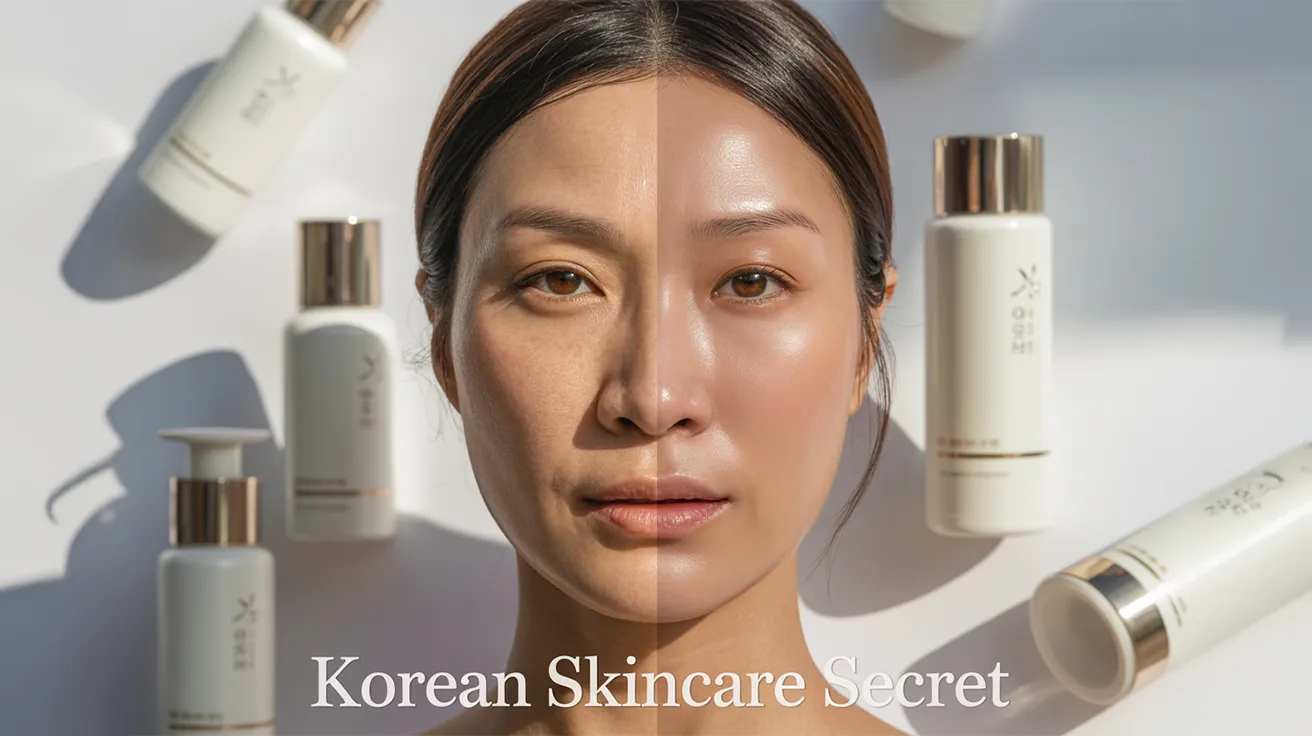
The Korean anti-aging skincare secret everyone’s talking about isn’t just hype—it’s transforming how women over 35 approach their daily routine. While dermatologists scramble to understand why Korean beauty products deliver such dramatic results, thousands of women are already experiencing the age-defying benefits firsthand.
If you’re tired of expensive treatments that promise miracles but deliver mediocre results, this Korean skincare routine for mature skin could be the game-changer you’ve been searching for. The best part? You don’t need a 10-step regimen or hundreds of dollars in products to see real anti-aging results.
This guide is for busy women who want youthful skin at 40 without the complexity. You’ll discover the science behind Korean beauty secrets for wrinkles, learn which age-defying skincare tips actually work, and get a simple step-by-step routine you can start tonight.
We’ll cover the essential Korean skincare products that make the biggest difference, how to build your perfect anti-aging routine, and expert safety tips to avoid common mistakes that can actually age your skin faster. By the end, you’ll have everything you need to create your own fountain-of-youth routine using proven Korean skincare steps.
Understanding your skin type forms the foundation of any effective Korean skincare routine, especially when pursuing age-defying results. Your skin type is largely determined by how much sebum (natural oil) your skin produces, which can be influenced by genetics, aging, humidity, stress, and hormones. Importantly, your skin type can change over time – many people find their skin becomes less oily as they age or in different environmental conditions.
The Five Primary Skin Types:
Oily Skin results from overproduction of sebum by the sebaceous glands, often triggered by stress, humidity, genetics, or hormonal fluctuations. This skin type appears shiny and feels greasy, particularly in the T-zone (forehead, nose, and chin). Excess sebum can clog pores, leading to blackheads and acne blemishes. However, people with oily skin may have fewer wrinkles due to the natural oils providing protection.
Dry Skin produces less sebum than other types, lacking sufficient natural oils to maintain proper moisture levels. This causes skin to appear visibly dehydrated, dull, flaky, or scaly, often feeling tight with a rough texture and more visible fine lines. A compromised skin barrier contributes to dry skin, allowing water to escape easily and causing persistent dryness.
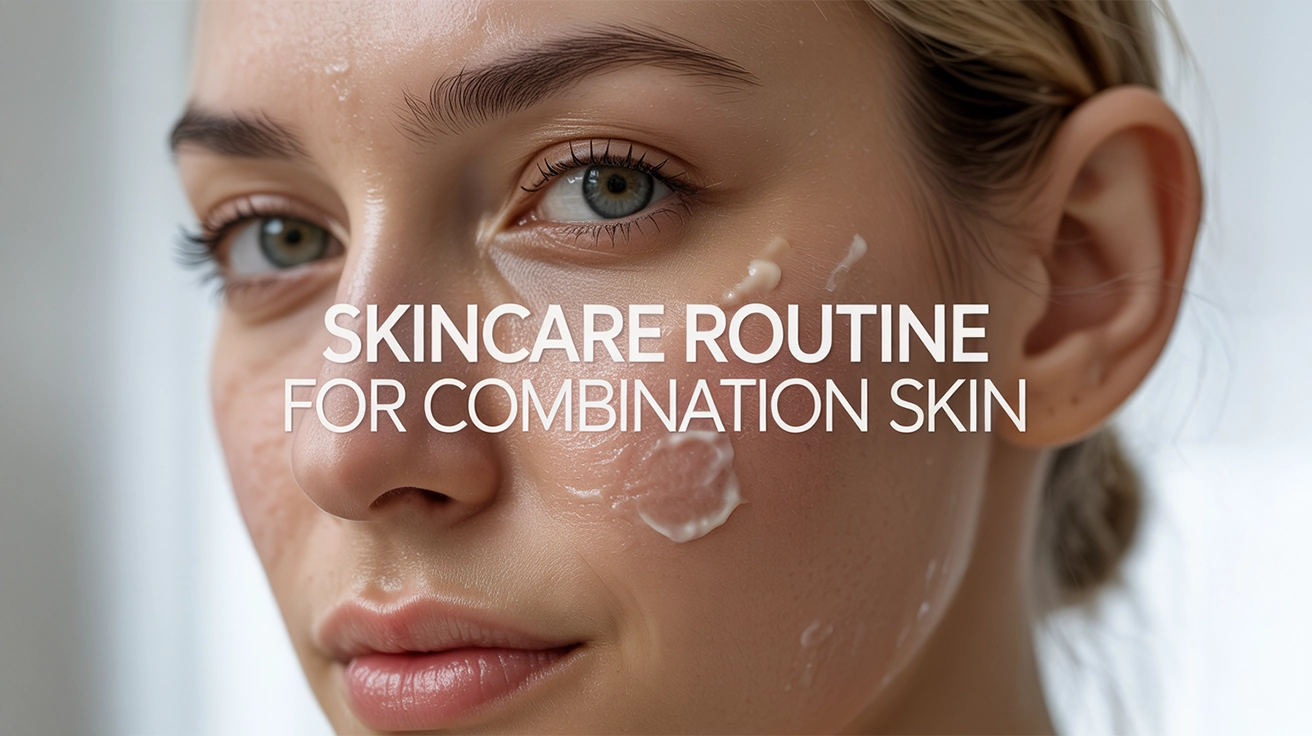
Combination Skin features both dry and oily areas on the same face. Typically, the T-zone remains oily while cheeks tend toward dryness. This skin type can vary significantly between individuals and may change seasonally or due to stress and hormonal fluctuations.
Normal Skin feels hydrated and comfortable without being oily or dry. Unlike combination skin, normal types don’t have contrasting patches – they maintain an overall hydrated, comfortable appearance with smooth texture, less noticeable pores, and reduced sensitivity.
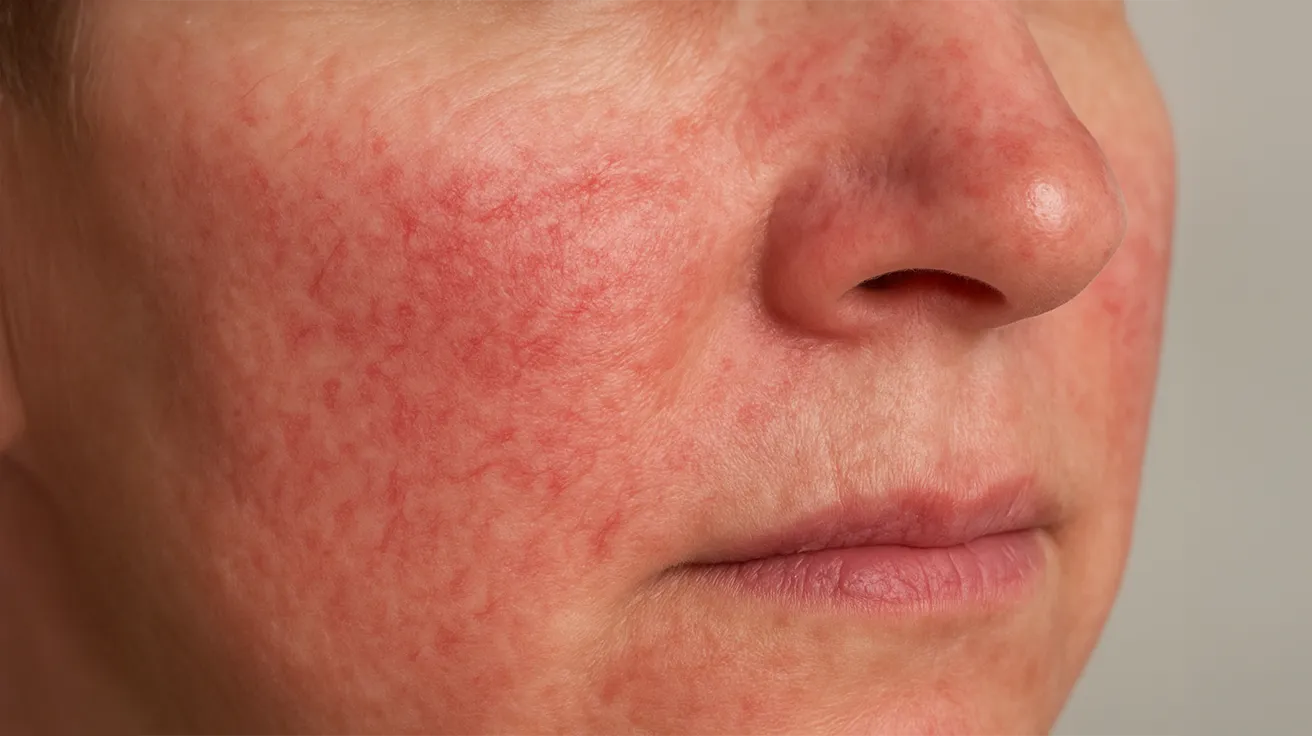
Sensitive Skin differs from other types as it’s not determined by oil production but by reactivity. This skin type is more vulnerable to external irritants and easily triggered by ingredients like fragrance or environmental factors. Sensitive skin may appear red and feel stinging, burning, or irritated after product application, possibly associated with a compromised skin barrier.
The “Watch and Wait” Method:
Cleanse your face with a gentle cleanser, pat dry with a soft towel, then wait 30 minutes. Examine your skin in a mirror: shiny all over indicates oily skin, while flaky, rough, or tight-feeling skin signals dryness. Shine only in the T-zone suggests combination skin, and hydrated skin without dryness or oiliness indicates normal skin.
The Blotting Sheet Method:
After cleansing and waiting 30 minutes, press blotting sheets to various facial areas. Hold sheets up to light to observe oil absorption: abundant oil from all areas indicates oily skin, little to no oil suggests dry skin, oil only from the T-zone signifies combination skin, and minimal oil overall indicates normal skin.
Now that we’ve covered skin type identification, understanding specific skin concerns becomes crucial for Korean skincare routine effectiveness. Even within the same skin type, individuals may experience various concerns that require targeted approaches.
Acne and Breakouts can affect any skin type, not just oily skin. Excess sebum production can clog pores, leading to blackheads and inflammatory acne. However, normal and dry skin types can also experience breakouts due to various factors including hormones, stress, and product reactions.
Wrinkles and Fine Lines become more pronounced as skin ages and sebum production decreases, typically noticeable in adults over 40. Dry skin types may show more visible fine lines due to insufficient natural oils, while oily skin types may experience fewer wrinkles due to natural oil protection.
Sensitivity and Irritation can manifest across all skin types when the skin barrier becomes compromised. Environmental factors, harsh ingredients, and over-exfoliation can trigger sensitivity reactions including redness, stinging, and burning sensations.
With this understanding of skin types and concerns, selecting appropriate Korean skincare routine components becomes more precise and effective for achieving youthful results.
For Oily Skin: Focus on oil-free, non-comedogenic products that control excess sebum without stripping the skin. Foaming cleansers work well for deep cleansing, while gel-based moisturizers provide hydration without heaviness. Even oily skin requires moisturization to maintain barrier function.
For Dry Skin: Prioritize gentle, fragrance-free cleansers and seek ingredients like ceramides, hyaluronic acid, and glycerin. Thicker, cream-based moisturizers provide better hydration retention than lighter lotions. Apply moisturizer immediately after cleansing to restore moisture.
For Combination Skin: Consider using different products on different facial areas – thicker moisturizers for dry cheeks and gel-based formulas for the oily T-zone. Focus moisturizer application on drier areas while using blotting papers to manage excess oil in the T-zone.
For Normal Skin: Maintain hydration with ceramides and hyaluronic acid while choosing non-comedogenic products to prevent potential breakouts. Even normal skin benefits from proper moisture barrier support.
For Sensitive Skin: Work with a dermatologist to identify triggers and choose gentle, fragrance-free formulations. Introduce new products one at a time, waiting 2-4 weeks between additions, and always patch test on the jawline before full facial application.
A quality cleanser forms the cornerstone of any effective Korean skincare routine, serving as the essential first step that prepares your skin for all subsequent products. Even if your face feels clean in the morning, dermatologists recommend washing with a gentle, nonmedicated cleanser that thoroughly removes dirt, oil, makeup, and environmental impurities without stripping your skin’s natural moisture barrier.
The key to selecting the right cleanser lies in understanding your specific skin type. For those with dry or sensitive skin, look for gentle cleansers containing hyaluronic acid, which helps maintain hydration while cleansing. If you have oily or acne-prone skin, consider cleansers with salicylic acid or benzoyl peroxide to help manage breakouts effectively. Those in their 30s and 40s seeking anti-aging benefits might opt for cleansers containing alpha hydroxy acids like glycolic acid, which can brighten skin and reduce pigmentation.
For optimal results, use lukewarm water and gently massage the cleanser onto your face using circular motions. This technique ensures thorough cleansing without causing irritation or damage to delicate facial skin. After cleansing, pat your skin dry with a clean towel rather than rubbing, which can cause unnecessary friction and potential irritation.
Double cleansing, a fundamental principle in Korean skincare routines, proves particularly beneficial for those with oily skin or heavy makeup wearers. This method involves starting with an oil-based cleanser to remove makeup and sunscreen, followed by a water-based cleanser to eliminate remaining impurities and excess oils. This two-step approach ensures your skin is completely clean and ready to absorb the benefits of your skincare routine for mature skin.
Moisturizing represents a crucial step that maintains healthy, radiant skin regardless of your age or skin type. A well-formulated moisturizer helps preserve your skin’s natural barrier function while providing essential hydration that keeps skin supple and youthful-looking.
The selection of an appropriate moisturizer depends entirely on your skin’s specific needs. Those with oily skin should seek lightweight, non-comedogenic moisturizers that provide hydration without clogging pores or adding unwanted shine. Conversely, individuals with dry skin benefit from richer creams that offer deeper moisturization and longer-lasting hydration throughout the day.
For enhanced anti-aging benefits, consider moisturizers containing ceramide or hyaluronic acid, which help maintain skin hydration from within while supporting the skin’s natural repair processes. These ingredients prove particularly valuable in Korean beauty products designed for mature skin, as they help combat the natural decrease in moisture retention that occurs with age.
Evening moisturizers can provide additional benefits when formulated with vitamin A-based ingredients such as tretinoin, retinol, bakuchiol, or adapalene. These compounds help build new collagen and rehydrate your skin overnight, supporting the skin’s natural repair and regeneration processes that are essential for maintaining a youthful appearance.
Sun protection stands as the most critical component of any age-defying skincare routine, playing an irreplaceable role in preventing premature aging, sunburns, and long-term skin damage. Daily sunscreen application represents the most effective anti-aging skincare secret that Korean beauty routines emphasize consistently.
Select a broad-spectrum sunscreen with at least SPF 30 to provide adequate protection against harmful ultraviolet radiation. The most effective formulations contain physical blockers such as iron oxide, zinc oxide, or titanium dioxide, which create a protective barrier on your skin’s surface. These mineral-based ingredients offer superior protection while being gentle enough for daily use, even on sensitive skin.
While some moisturizers, concealers, and foundations contain SPF, it’s essential to apply a separate facial sunscreen to ensure adequate protection. This dedicated approach guarantees you’re receiving the full SPF protection listed on the product, as makeup and moisturizers with SPF are often applied too thinly to provide complete coverage.
Consistent daily application of sunscreen, regardless of weather conditions or season, forms the foundation of Korean skincare steps that help maintain youthful skin at 40 and beyond. This simple yet powerful habit prevents the formation of fine lines, wrinkles, and age spots that result from cumulative UV exposure, making it an indispensable element of any comprehensive anti-aging strategy.
Serums are highly potent skincare concentrates designed to deliver active ingredients, like botanicals, through the surface of the skin. Most expertly formulated serums will sink into the skin, hydrating it and supplying nourishment from the outside in. This makes them an essential component of any Korean skincare routine focused on achieving youthful skin at 40 and beyond.
Unlike surface-level treatments, serums work inside your skin rather than on top of it. They provide enough hydration to plump up the surface while delivering the overwhelming majority of their benefits through their ability to penetrate deep into the skin layers. This deep-penetrating action is what sets serums apart as powerful anti-aging skincare secrets.
Many serums are specifically marketed to address particular skin concerns. You’ll find brightening serums, best anti-aging products in serum form, dark spot serums, and skin firming serums. Some serums offer multiple benefits in a single bottle, which is particularly valuable for those with multiple skincare concerns – as most people do.
Due to their high concentration of skin-healthy ingredients, serums are typically applied with a dropper. The watery or thin consistency allows them to properly hydrate and penetrate the skin. Just a few drops of serum is sufficient to provide benefits to your entire face, making them both potent and economical.
When selecting serums for Korean beauty products routines, look for multifunctional formulations that address several concerns simultaneously. This approach simplifies your routine while maximizing results, eliminating the need to switch products throughout the week or attempt to layer multiple serums.
Now that we understand serums, toners play a complementary role in Korean skincare steps by preparing your skin for optimal product absorption. Toners are liquid products that come in plastic bottles, sometimes with spray applicators for direct facial application, though some require dispensing onto cotton pads before use.
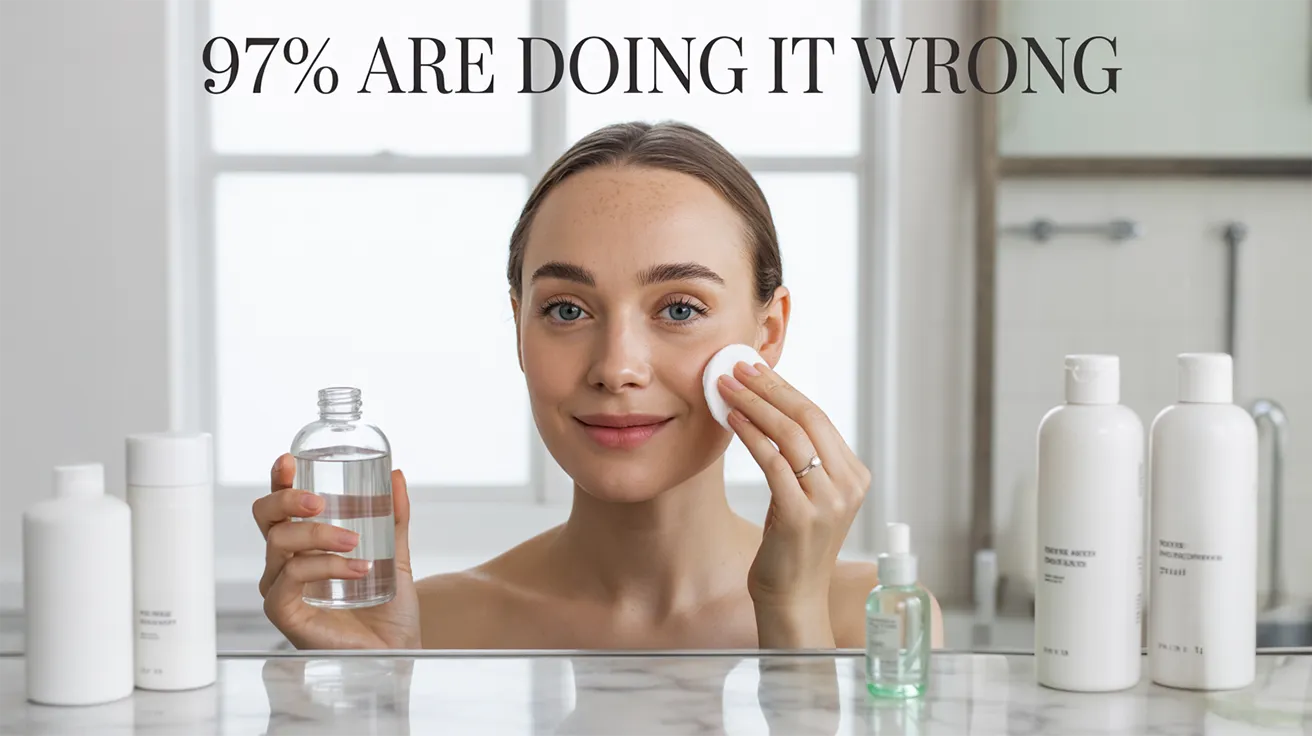
Toners are intended for use after cleansing your face, and their purpose largely depends on their specific formulation. Unlike serums that work deep within the skin, toners help to balance and hydrate the skin’s surface layer, refreshing and hydrating the top layer without delivering benefits that meaningfully change your skin’s health from within.
There are several types of toners, each serving different purposes in skincare routine for mature skin:
Acid Toners contain ingredients like glycolic acid or alpha hydroxy acid that help gently exfoliate the skin by removing the top layer of dead skin cells. People with dry skin or dry patches may benefit from using these toners occasionally, as they help prevent flaky or dull buildup on the surface.
Moisturizing Toners are formulated with floral extracts and ingredients like hyaluronic acid. These toners leave behind more moisture than they take away, making them ideal for combination, normal, and dry skin types seeking hydration without heaviness.
Astringent Toners help dry up oily acne spots while encouraging large pores to temporarily contract, leading to the appearance of smoother, firmer skin. However, this benefit is temporary and comes at the expense of drawing moisture from your skin.
For those following age-defying skincare tips, incorporating the right toner can enhance the effectiveness of subsequent products by creating an optimal base for absorption.
The delicate under-eye area requires specialized attention in any comprehensive Korean beauty secrets for wrinkles routine. This area’s skin is significantly thinner and more fragile than the rest of your face, making it particularly susceptible to early signs of aging and environmental damage.
Eye creams are specifically formulated to address the unique needs of this sensitive area without causing irritation or milia (small white bumps). The concentrated formulations in eye creams work to target specific concerns like dark circles, puffiness, fine lines, and loss of firmness that commonly appear around the eyes as we age.
When incorporating eye cream into your Korean skincare routine, apply it gently using your ring finger, which naturally applies the least pressure. Pat the product around the orbital bone, avoiding direct contact with the eye itself while ensuring coverage of the most vulnerable areas where aging typically first appears.
Previously, we’ve discussed how toners can provide gentle exfoliation, but dedicated exfoliators play a crucial role in any skincare routine guide focused on maintaining youthful skin. Exfoliation removes the buildup of dead skin cells that can make skin appear dull, rough, and uneven.
Chemical exfoliators, particularly those containing alpha hydroxy acids, help gently remove the top layer of dead skin cells from the surface. This process reveals fresher, smoother skin underneath while improving the absorption and effectiveness of other products in your routine.
Regular exfoliation is essential for youthful skin at 40 because cell turnover naturally slows with age. By incorporating appropriate exfoliation into your routine, you can help maintain the smooth, radiant complexion characteristic of younger skin while ensuring your serums and treatments can penetrate more effectively.
The key to successful exfoliation is finding the right balance – enough to remove dead skin cells and improve texture, but not so much that you irritate or damage your skin’s protective barrier. Start with less frequent applications and gradually increase as your skin builds tolerance.
Building your perfect Korean skincare routine starts with mastering the morning ritual that will protect and prepare your skin for the day ahead. The morning skincare routine follows a specific order designed to maximize penetration and effectiveness of each product while providing essential protection against environmental damage.
Start your morning with a gentle water-based cleanser to remove any overnight buildup of oils and cellular debris. If you have oily or acne-prone skin, morning cleansing helps eliminate excess sebum that accumulated during sleep. For dry or sensitive skin types, you may skip this step and proceed directly to toning, as over-cleansing can strip essential moisture from your skin barrier.
When selecting a cleanser, choose formulas with neutral pH levels, as research suggests they cause less irritation. Massage the cleanser into wet skin using gentle upward motions, then rinse thoroughly with lukewarm water before patting dry with a clean towel.
Apply a hydrating toner immediately after cleansing to replenish moisture and remove any remaining impurities. Modern Korean toners are formulated with humectant ingredients like hyaluronic acid, glycerine, and lactic acid to provide an instant moisture boost. Pat the toner directly onto clean skin or use a cotton pad, sweeping outward from the center of your face.
For mature skin seeking anti-aging benefits, look for toners containing antioxidants and gentle exfoliating ingredients that won’t cause sensitivity when used in the morning routine.
This is where the Korean skincare secret truly shines. Apply your most potent treatments when your skin is perfectly prepped to receive them. In the morning, focus on antioxidant serums, particularly vitamin C formulations that protect against free radical damage while brightening dark spots over time.
Pat a few drops of serum onto your face and neck, allowing 30 seconds between applications if you’re layering multiple serums. Always apply products from thinnest to thickest consistency to ensure proper penetration. Antioxidant serums containing vitamins C and E, green tea extract, or resveratrol help reduce redness, wrinkles, and environmental skin damage throughout the day.
Apply your moisturizer using upward strokes, starting with the cheeks and moving outward. A quality moisturizer should contain ceramides, glycerine, and peptides to strengthen your skin barrier and lock in all the beneficial ingredients you’ve applied. Take a slightly larger than pea-sized amount, warm it between your palms, and gently press into your skin.
For oily skin types, opt for lightweight, gel-based formulas that provide hydration without excess weight. Dry skin benefits from cream-based moisturizers rich in lipids and barrier-repairing ingredients that maintain moisture levels throughout the day.
Complete your morning routine with broad-spectrum sunscreen rated SPF 30 or higher. This non-negotiable final step protects against UVA and UVB rays that cause premature aging and skin damage. Apply liberally 15-30 minutes before sun exposure, ensuring complete coverage of your face and neck.
Never apply additional skincare products over sunscreen, as this can dilute its protective properties. Reapply every two hours when spending extended time outdoors for optimal protection.
Evening routines focus on repair and regeneration, utilizing more intensive treatments and thicker formulations that work overnight to restore your skin from daily environmental damage.
Begin with an oil-based makeup remover or cleansing oil to dissolve makeup, sunscreen, and sebum. Massage the oil cleanser onto dry skin, then add a small amount of water to emulsify before rinsing thoroughly. Follow with your water-based cleanser to remove any remaining residue and impurities.
This double cleansing method ensures your skin is perfectly clean and ready to absorb the potent treatments that follow.
Incorporate gentle exfoliation 2-3 times per week using chemical exfoliants rather than harsh physical scrubs. Acid treatments containing glycolic acid, salicylic acid, or lactic acid encourage cellular turnover and reveal brighter, more even-toned skin.
Start with once-weekly application, gradually increasing frequency as your skin builds tolerance. Apply acid treatments to clean, dry skin using a cotton pad, avoiding the delicate eye area.
Evening is the ideal time for concentrated repair serums containing retinoids, peptides, or growth factors. These powerful ingredients work with your skin’s natural renewal process that peaks during sleep hours.
If using retinoids, start with one night per week and gradually increase frequency. Apply moisturizer both before and after retinoid application if you have sensitive skin to minimize irritation while maintaining effectiveness.
Incorporate clay masks once or twice weekly to deeply cleanse pores and absorb excess oil. Apply to clean skin, focusing on problem areas like the T-zone, and leave for the recommended time before rinsing with warm water.
Hydrating masks can be used more frequently, even nightly if your skin needs extra moisture support. Sheet masks work exceptionally well for delivering concentrated serums and can be refrigerated before use for additional anti-inflammatory benefits.
Address specific concerns with concentrated spot treatments applied before your regular moisturizer. For dark spots and hyperpigmentation, use treatments containing niacinamide or hydroquinone. For active breakouts, apply benzoyl peroxide or salicylic acid directly to affected areas.
Allow spot treatments to dry completely before applying moisturizer to the rest of your face, then gently tap a small amount of moisturizer over the treated areas to prevent excessive drying.
Now that we have covered the essential products and routines for achieving youthful Korean skincare results, it’s crucial to understand how to safely introduce new products into your regimen. The American Academy of Dermatology states that more than 15,000 substances can cause an allergic skin reaction, making patch testing an essential safety step for anyone building their Korean skincare routine.
Personal care products cause irritant contact dermatitis in 28.8% of males and 39.5% of females, according to recent studies. This means nearly 4 out of 10 women may experience skin reactions when trying new skincare products without proper testing.
To perform a proper patch test for your Korean beauty products, follow these dermatologist-recommended steps:
If your skin reacts with redness, itching, burning, blistering, or swelling, immediately wash off the product and discontinue use. Apply a cool compress or petroleum jelly to relieve discomfort.
With this understanding of patch testing, the next critical step involves gradual product introduction. Korean skincare routines often involve multiple steps and products, but adding everything at once can overwhelm your skin and make it impossible to identify which product might cause adverse reactions.
Start by introducing one new product every 1-2 weeks into your Korean skincare routine. This systematic approach allows you to monitor how your skin responds to each individual product before adding the next one. Begin with the most basic products first – cleanser, then moisturizer, followed by treatment products like serums and essences.
Monitor your skin daily for any signs of irritation, including:
Research shows that reactions occur most often on the face (94.8%) followed by the neck (22.4%), with soaps (53%) and face creams (24%) being the most common culprits. Many people also experience reactions on their eyelids from cosmetic products, so pay special attention to the delicate eye area when introducing new Korean skincare steps.
Previously, we’ve established the importance of safety protocols, but consistency forms the foundation of successful Korean skincare routines for mature skin. Anti-aging skincare secrets from Korean beauty traditions emphasize that visible results come from persistent, daily application rather than sporadic use of even the best anti-aging products.
The key to achieving youthful skin at 40 through Korean skincare lies in establishing a routine you can maintain long-term. This means selecting products that work well with your skin type and lifestyle, then using them consistently for at least 4-6 weeks to see meaningful results.
Track your skin’s progress by taking photos in consistent lighting conditions and noting improvements in texture, hydration, and overall appearance. Remember that age-defying skincare tips from Korean beauty experts emphasize patience – the most effective Korean skincare routine for mature skin requires time to show its full benefits.
Now that we have covered product safety and consistency, it’s important to recognize that external Korean beauty products work best when supported by internal wellness practices. While the reference content doesn’t provide specific hydration guidelines, proper skincare safety extends beyond topical applications to include overall skin health support.
Consider environmental factors that can affect your skin’s response to new products, such as temperature, humidity, and your individual skin type. Low or high temperatures and high humidity can worsen skin irritation, so adjust your Korean skincare routine accordingly based on seasonal changes and your environment.
If you experience severe reactions, develop a rash that bleeds or oozes yellow pus (indicating possible infection), notice hives all over your body, or experience breathing difficulties, seek immediate medical attention. Contact a dermatologist if you suspect you have a skin allergy or if a rash hasn’t improved after 2-3 weeks of proper care.
The journey to achieving youthful, radiant skin doesn’t require expensive treatments or invasive procedures. By understanding your unique skin type and concerns, incorporating essential products like cleansers, moisturizers, and sunscreen, and adding targeted treatments through serums and advanced formulations, you can build a routine that delivers real results. Remember that consistency is key – it can take several weeks to see noticeable improvements, so patience and dedication to your daily regimen will pay off.
Your perfect skincare routine is waiting to be discovered, and the most important step is simply getting started. Listen to your skin’s needs, introduce new products gradually through patch testing, and don’t forget that healthy skin starts with proper hydration both inside and out. Whether you’re a skincare beginner or looking to refine your existing routine, the foundation remains the same: cleanse, hydrate, treat, and protect. Take the first step today by identifying your skin type and building your personalized routine – your future self will thank you for the investment in healthier, more youthful-looking skin.

She is a passionate skincare specialist with years of experience helping people uncover their best skin. As the founder of this blog, she blends science-backed advice with practical, everyday tips to make glowing skin accessible to all.