Your Ultimate Guide to Healthy, Glowing Skin – Expert Tips, Honest Reviews & Skincare Secrets!

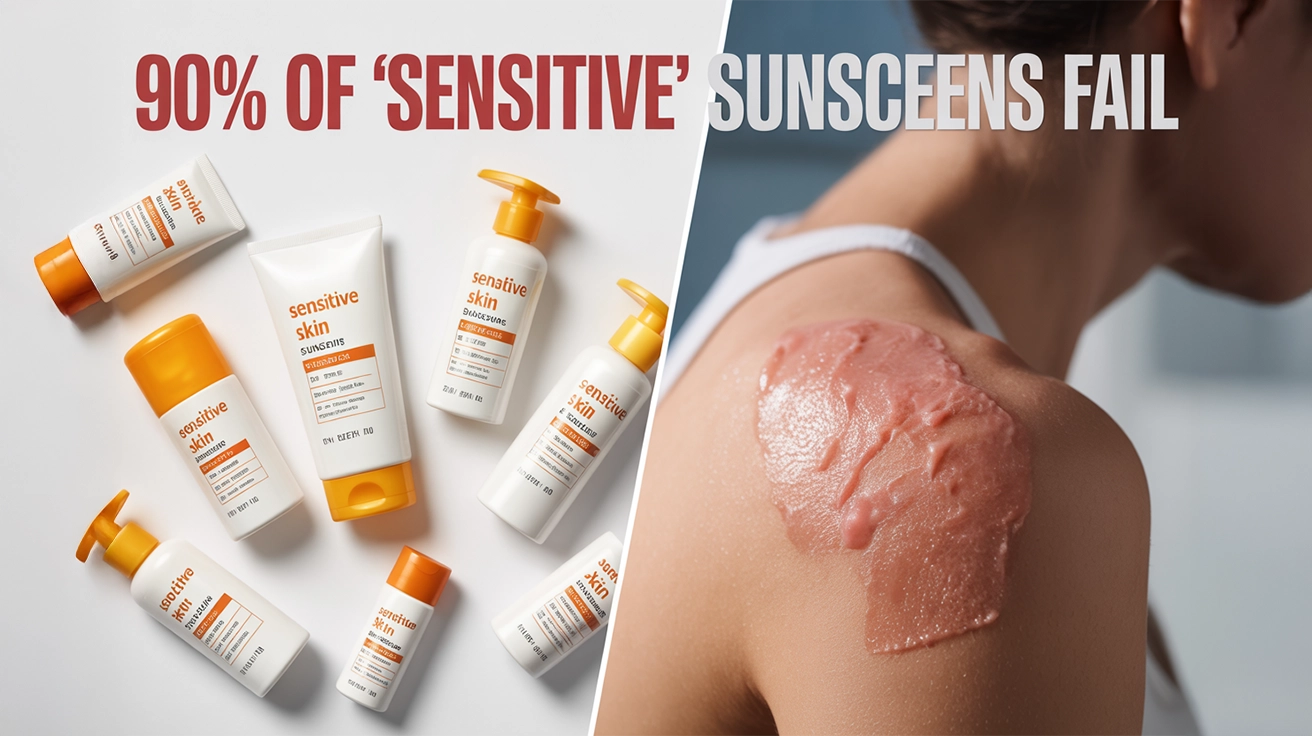
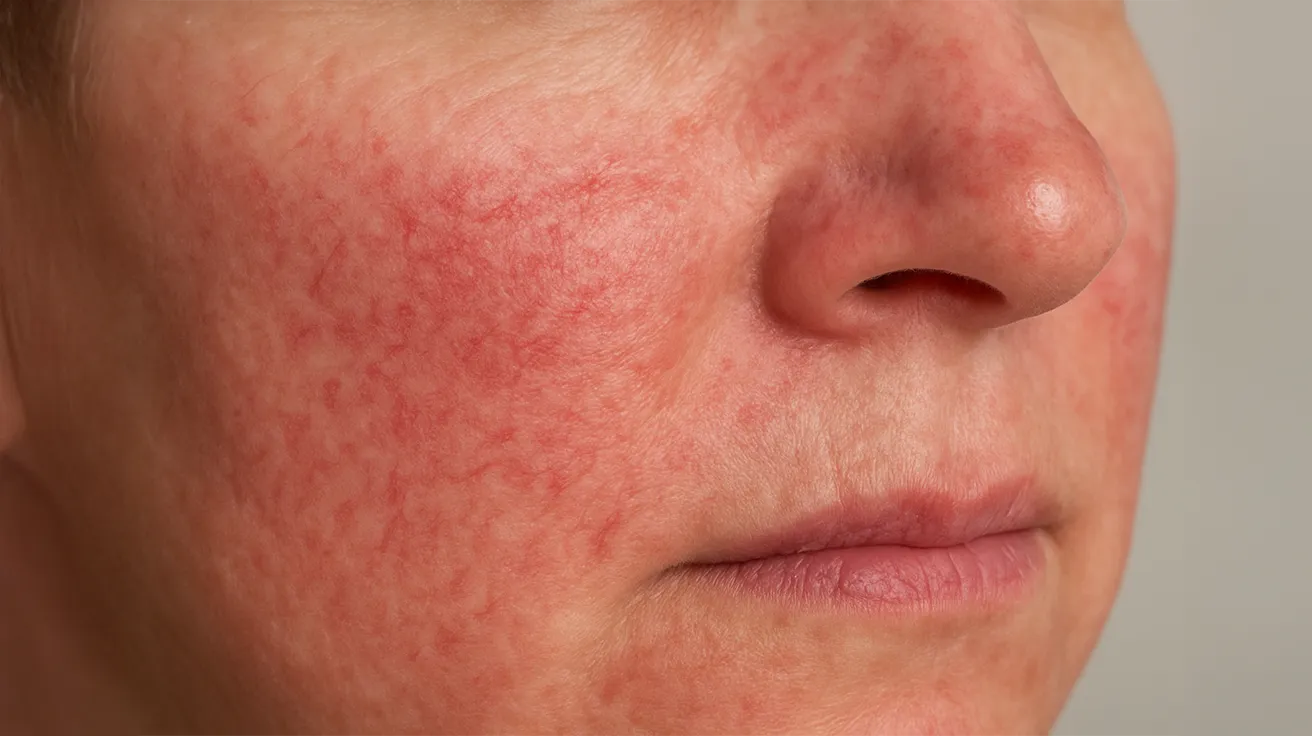
If you’re dealing with red, irritated skin after using “sensitive” sunscreen, you’re not alone. Many people with sensitive skin assume they’re using the right product, only to find their sunscreen causing breakouts, stinging, or allergic reactions. The problem isn’t your skin being too sensitive—it’s that most sunscreens marketed for sensitive skin still contain common irritants.
This guide is for anyone who struggles with sunscreen irritation and wants to understand why their current product isn’t working and how to find one that actually protects without causing problems.
We’ll walk through the different types of sunscreen reactions you might be experiencing, from simple irritation to full allergic responses. You’ll learn exactly which sunscreen ingredients to avoid and why chemical vs mineral sunscreen makes such a big difference for reactive skin. Most importantly, we’ll share practical strategies for choosing sunscreen that actually works for sensitive skin, plus when to seek professional help if nothing seems to work.
Your skin deserves protection that doesn’t come with side effects, let’s figure out how to get there.
Contact dermatitis represents the most frequent type of sunscreen allergic reaction experienced by users, occurring in people who have developed a sensitivity to specific ingredients found in sunscreen formulations or cosmetics containing SPF protection. This condition manifests when your skin comes into direct contact with substances that either damage the protective outer layer or trigger an immune response.
The complexity of modern sunscreen formulations means they contain numerous active and inactive ingredients, making it challenging to pinpoint exactly which component causes the reaction. Chemical vs mineral sunscreen ingredients play different roles in triggering these responses, with chemical UV filters like oxybenzone, avobenzone, octocrylene, and octinoxate being among the most common culprits for sunscreen irritation causes.
Irritant contact dermatitis occurs more frequently in individuals with a documented history of eczema or sensitive skin sunscreen needs. This reaction develops when sunscreen ingredients directly damage the skin’s protective barrier, causing immediate irritation in the application area.
The symptoms typically present as mild redness or a distinct stinging sensation, which may occur without visible redness. Unlike allergic reactions, irritant contact dermatitis doesn’t require previous sensitization and can happen upon first exposure to the problematic ingredient. People with compromised skin barriers are particularly vulnerable, as their skin cannot effectively protect against potentially irritating substances.
This type of reaction is often mistaken for normal skin adjustment to new products, leading many to continue using problematic sunscreens and potentially worsening their condition.
Allergic contact dermatitis represents a more complex immune-mediated response that can develop even after years of successfully using the same sunscreen product. This delayed-type hypersensitivity reaction occurs when the immune system identifies specific sunscreen ingredients to avoid as foreign threats, creating a memory response for future exposures.
The most problematic allergens include chemical UV filters, preservatives like parabens and methylisothiazolinone, fragrances (both synthetic and natural), and even beneficial ingredients like vitamin E (tocopherol). Sunscreen allergy symptoms typically manifest as an itchy, blistering rash that appears where the product was applied and can sometimes spread to adjacent areas.
What makes this reaction particularly frustrating is its unpredictable timeline – you might use a product safely for months or years before suddenly developing sensitivity. The reaction usually takes 24-72 hours to fully develop after exposure, making it difficult to immediately identify the causative product.
Photocontact dermatitis represents the rarest but most severe form of sunscreen reaction, occurring when specific ingredients interact with UV light to create inflammatory compounds on the skin surface. This unique reaction requires both the presence of the allergen and exposure to sunlight, making it particularly problematic for outdoor activities.
The reaction typically develops in sun-exposed areas where sunscreen was applied, including the face, arms, back of hands, chest, and lower neck. Symptoms can resemble severe sunburn or eczema, creating confusion about whether the sun or the sunscreen caused the problem.
Both active ingredients and inactive components like fragrances or preservatives can trigger photocontact dermatitis. This reaction explains why some people experience sunscreen causing breakouts or severe irritation only when spending time outdoors, while the same product may seem fine during indoor testing or brief sun exposure.
Chemical sunscreen ingredients represent one of the most significant categories of sunscreen irritants, with oxybenzone, avobenzone, and octocrylene identified as the most common low-prevalence allergens in sunscreen formulations. These organic compounds work by absorbing UV rays and converting them into heat, but this chemical process can trigger various allergic reactions in sensitive individuals.
Oxybenzone (benzophenone-3) stands out as a particularly problematic ingredient, known to cause photoallergic contact dermatitis. This type of reaction occurs when the ingredient absorbs UV light and then triggers an allergic response upon skin contact, typically appearing within a day of sun exposure. The symptoms can range from mild redness and itching to more severe swelling and blistering.
Other chemical UV absorbers like octinoxate and octocrylene also pose risks for those with sensitive skin. Octinoxate blocks both UVA and UVB rays but may irritate sensitive skin and potentially be contaminated with formaldehyde. Octocrylene, primarily used as a solvent to help other ingredients absorb better, can cause skin irritation even though it’s not particularly effective as a standalone sunscreen ingredient.
For individuals prone to allergic reactions, physical blocker-based sunscreens containing zinc oxide or titanium dioxide may be preferable, as these mineral ingredients are not classified as allergens and provide broad-spectrum protection without the chemical reactions associated with absorbing UV filters.
Fragrances emerge as the most significant high-prevalence allergen in sunscreen formulations, present in 30 of 52 sunscreens analyzed in recent research. This makes fragrance the leading cause of allergic reactions in sunscreen products, far exceeding the prevalence of chemical UV filter allergies.
Many sunscreens contain added fragrances specifically to mask the chemical smells of active ingredients, but these fragranced formulations are significantly more likely to irritate sensitive skin. The challenge with fragrance allergies lies in their complexity – fragrances are intricate mixtures of multiple compounds, and a positive patch test indicates allergy to certain fragrance components but not necessarily all.
This complexity creates additional problems for consumers trying to avoid problematic ingredients. Due to regulation issues and the potential for cross-reacting ingredients, individuals with fragrance sensitivities should avoid not only direct fragrances but also other ingredients that may cross-react with fragrance allergens.
The prevalence of fragrance in sunscreen formulations makes it particularly important for those with sensitive skin to specifically seek out fragrance-free options. Terms like “hypoallergenic,” “fragrance-free,” “paraben-free,” and “dye-free” on product labels can help identify potentially safer alternatives for fragrance-sensitive individuals.
Beyond the more obvious culprits of chemical UV filters and fragrances, several preservative systems and additives contribute significantly to sunscreen irritation. Propylene glycol ranks as another common high-prevalence allergen, found in 8 of 52 analyzed sunscreens, while methylisothiazolinone appears in 7 of 52 products.
Preservatives such as parabens, formaldehyde releasers, and isothiazolinones are added to prevent microbial growth in sunscreen formulations, but these same ingredients can trigger allergic contact dermatitis in susceptible individuals. The irony is that these ingredients, meant to keep products safe for use, can actually cause harmful reactions in people with sensitive skin or existing skin conditions like eczema.
The challenge with these hidden reactive ingredients is that they’re often not prominently featured on product labeling or marketing materials. Consumers focusing solely on avoiding chemical UV filters or fragrances may unknowingly expose themselves to other problematic ingredients. This emphasizes the importance of reading complete ingredient lists rather than relying on front-of-package claims.
For individuals with autoimmune skin conditions or a history of contact dermatitis, selecting sunscreens with minimal allergenic ingredients becomes crucial. The analysis of sunscreen allergens specifically emphasizes this importance for preventing contact dermatitis in vulnerable populations.
Sunscreen irritation can also result from complex interactions between sunscreen ingredients and other topical products or medications. Individuals using retinoids, for example, may experience heightened sensitivity to certain sunscreen ingredients like avobenzone, potentially leading to photoallergic reactions.
The timing and method of sunscreen application can also influence irritation potential. Applying sunscreen too frequently or in very high concentrations can lead to irritant contact dermatitis, characterized by redness, stinging, and burning sensations. This type of reaction differs from allergic responses and typically results from overwhelming the skin’s tolerance to irritating ingredients like alcohol, fragrances, or dyes.
Children with existing skin conditions like eczema, sensitive skin, or other chronic dermatological issues may be particularly prone to these interaction-based sunscreen allergies. The compromised skin barrier in these conditions makes individuals more susceptible to irritant and allergic reactions from multiple sources.
Understanding these interaction patterns becomes especially important for individuals using multiple skincare products or prescription medications. Consulting with a dermatologist can help identify potential interaction risks and guide the selection of compatible sunscreen formulations that won’t exacerbate existing skin sensitivities or interfere with medical treatments.
Some sunscreen reactions manifest almost immediately after application, typically within minutes of contact with your skin. Irritant contact dermatitis is the most common immediate reaction, particularly affecting individuals with a history of eczema or sensitive skin. This type of reaction causes irritation in the specific area where sunscreen was applied and can appear as mild redness or present as a stinging sensation without any visible redness.
The immediate burning or stinging feeling you might experience is your skin’s direct response to certain sunscreen ingredients. This reaction doesn’t require previous exposure to develop sensitivity – it’s an instant irritation that occurs upon first contact with problematic ingredients.
Now that we’ve covered immediate reactions, it’s important to understand that allergic contact dermatitis represents a more complex, delayed response that can develop after repeated use of the same product. Unlike immediate reactions, this type can occur even if you haven’t had previous reactions to the same sunscreen ingredients, as allergies can develop over time.
Photocontact dermatitis is a rarer delayed reaction that specifically occurs where sunscreen has been applied and then exposed to sunlight. This reaction results from an interaction between sunscreen ingredients and UV light, leading to skin inflammation. The reaction typically develops after sun exposure rather than immediately upon application.
Mild sunscreen reaction symptoms can range from subtle irritation to more noticeable discomfort. The mildest form presents as slight redness in the application area, often accompanied by a warm or burning sensation. Some individuals experience stinging without any visible skin changes, making these reactions particularly confusing to identify.
These mild symptoms may also include slight swelling, tenderness to touch, or a feeling of tightness in the affected skin. The intensity can vary depending on the concentration of problematic ingredients and your individual skin sensitivity level.
While rare, severe sunscreen reactions can be serious and require immediate medical attention. Allergic contact dermatitis can progress to severe symptoms including itchy, blistering rashes that occur on skin where the product was applied. These blistering reactions can sometimes spread to areas beyond the initial application site.
The most severe form, photocontact dermatitis, may look like severe sunburn or eczema and most commonly occurs on frequently exposed areas like the face, arms, back of hands, chest, and lower neck. Although extremely rare, anaphylactic reactions to sunscreen ingredients can occur, presenting life-threatening symptoms requiring emergency medical intervention.
It’s crucial to cease sunscreen use immediately if any unusual reaction occurs and seek dermatological evaluation for proper diagnosis and future product recommendations.
Despite marketing claims promising relief for sensitive skin, the reality is that sunscreen ingredients are similar across all brands. Whether a product is labeled as “hypoallergenic,” “gentle,” or specifically designed for sensitive skin, manufacturers draw from the same pool of active and inactive ingredients when formulating their products.
The most commonly used chemical sunscreen ingredients—such as avobenzone, octinoxate, and oxybenzone—appear in both regular and “sensitive skin” formulations. Similarly, preservatives, fragrances, and stabilizers remain consistent across product lines. This means that if you’re experiencing a sunscreen allergic reaction to a specific ingredient, simply switching to another brand’s sensitive skin formula may not eliminate your problem.
Sensitivities to sunscreen are complex and cannot be resolved through basic product substitution. The reference materials clearly indicate that reactions can range from mild to severe and are often linked to multiple co-factors including sunlight exposure, other allergens, medications, or topical creams used simultaneously.
What makes this particularly challenging is that allergic reactions can develop after repeated use of the same product, even if you’ve used it successfully for months or years. Some reactions occur immediately upon application, while others, particularly allergic contact dermatitis, can develop after days of use or emerge suddenly after years of tolerance.
The three main types of reactions—irritant contact dermatitis, allergic contact dermatitis, and photocontact dermatitis—each have different triggers and mechanisms. This complexity explains why sunscreen causing breakouts or irritation persists even when switching between brands marketed for sensitive skin.
While mineral sunscreens containing zinc oxide and titanium dioxide have not been reported to cause contact allergies, they present their own set of challenges for sensitive skin users. These formulations tend to be heavier creams that do not absorb well into the skin, which can lead to clogged pores, increased sweating, and general discomfort.
For individuals with sensitive skin who are already prone to irritation, the physical weight and occlusive nature of these mineral formulations can create additional problems. The thick consistency required to provide adequate sun protection can feel suffocating on reactive skin, potentially triggering different types of irritation even when the active ingredients themselves are well-tolerated.
The most significant obstacle in finding the best sunscreen for sensitive skin is the incomplete understanding of personal trigger ingredients. Since sunscreens contain multiple active and inactive components, determining which specific ingredient causes a reaction can be extremely difficult without professional testing.
The recommended usage test—applying a small amount of product to the inside of the forearm for several days—may reveal immediate sensitivities but cannot always predict allergic reactions that develop with repeated use. This limitation means that many people continue to experience problems because they’re unaware of their specific sunscreen ingredients to avoid.
Without knowing whether you’re reacting to chemical UV absorbers, preservatives, fragrances, or other components, the process of finding a suitable product becomes a frustrating cycle of trial and error. This incomplete knowledge explains why even carefully selected “sensitive skin” products can still trigger sunscreen irritation causes in susceptible individuals.
Before committing to any new sunscreen, conducting a proper patch test is your first line of defense against potential reactions. Apply a small amount of the product to a discrete area of skin, such as behind your ear or on your inner wrist, and wait 24-48 hours to observe any adverse reactions. This simple step can save you from experiencing widespread irritation, breakouts, or allergic reactions across your entire face or body. Even products labeled as “sensitive skin” or “hypoallergenic” can still cause reactions in some individuals, making patch testing an essential practice for anyone prone to sunscreen sensitivities.
Now that we’ve covered the importance of testing, let’s examine why mineral sunscreens often prove superior for sensitive skin types. Mineral sunscreens containing zinc oxide and titanium dioxide work by sitting on top of your skin to form a physical barrier that shields you from UV rays, rather than being absorbed into the skin like chemical alternatives. This mechanism makes them less likely to cause irritation for people with sensitive skin, as these white powder ingredients function more like makeup than traditional chemical filters.
Because mineral sunscreens create a protective layer on the skin’s surface, they’re particularly beneficial for those who experience reactions to chemical sunscreen ingredients. When scanning labels for the best sunscreen for sensitive skin, prioritize products that list zinc oxide or titanium dioxide as their primary active ingredients.
With this foundation in mind, the next critical step involves scrutinizing ingredient lists for potential irritants. Fragrance, while appealing, represents one of the most common culprits behind sunscreen irritation causes in sensitive individuals. When examining products, specifically look for labels stating “fragrance-free” or “unscented” to minimize your risk of developing reactions.
Beyond fragrance, be wary of unnecessary additives that serve no protective purpose but may trigger sensitivities. The most effective approach involves selecting formulations specifically designed with sensitive skin in mind, featuring minimal ingredient lists focused on sun protection rather than cosmetic enhancements or pleasant scents.
Previously established skincare routines may need adjustment when incorporating new sunscreen products. Layering multiple skincare products beneath sunscreen can create interactions that lead to irritation, breakouts, or reduced sunscreen effectiveness. Consider streamlining your morning routine by choosing non-comedogenic formulas that won’t clog pores when combined with other products.
To prevent sunscreen causing breakouts, allow adequate time between applying other skincare products and your sunscreen. This approach reduces the likelihood of ingredient interactions while ensuring your sunscreen can form an effective protective barrier. When possible, select sunscreens that can double as primers or provide light coverage, reducing the total number of products applied to sensitive skin.
Now that we’ve covered the challenges with “sensitive skin” sunscreens, it’s crucial to recognize when professional medical intervention becomes necessary. If you’ve tried multiple sunscreens marketed for sensitive skin and continue experiencing persistent reactions, it’s time to seek dermatologist consultation for proper diagnosis.
You should schedule an appointment when experiencing severe allergic reactions like anaphylaxis, which can occur within a few hours of sunscreen application. Additionally, if you develop contact dermatitis that takes several days to manifest after sunscreen use, professional evaluation is essential. Dermatologists can differentiate between irritant contact dermatitis and true allergic reactions, providing targeted treatment approaches.
Persistent symptoms that don’t resolve after discontinuing sunscreen use, recurring breakouts in sun-exposed areas, or skin discoloration that doesn’t clear up within a few days warrant professional attention. A dermatologist can also help if you’re experiencing symptoms across multiple product categories, suggesting a broader sensitivity pattern that requires comprehensive evaluation.
Previously, I’ve mentioned how sunscreen reactions can be complex, which is why patch testing becomes invaluable for identifying specific problem ingredients. Patch testing is a specialized procedure that takes place over approximately one week, specifically designed to diagnose contact dermatitis from sunscreen components.
During patch testing, your dermatologist will apply patches containing small amounts of potential allergens to your back or arms. Each patch contains 10 to 12 substances in gel or ointment form, pressed against your skin and secured with tape. Unlike immediate allergic reactions, contact dermatitis from sunscreen ingredients can take several days to develop, making this extended testing period necessary.
The testing process follows a specific timeline: patches are typically applied on Monday, removed and initially checked on Wednesday, then evaluated again on Friday. This allows sufficient time for delayed hypersensitivity reactions to manifest. During the testing period, you must avoid showering, sweating, or getting the patches wet, as moisture can interfere with accurate results.
Preparation for patch testing requires avoiding sun exposure to the test area for one to two weeks beforehand, discontinuing medicated creams or moisturizers on the testing site, and informing your provider about pregnancy or immunosuppressive medications that could affect results. The process helps identify specific chemical or physical sunscreen ingredients causing your reactions.
With this in mind, next, we’ll see how dermatologists provide personalized sunscreen recommendations based on your specific allergy profile and skin characteristics. After patch testing reveals your particular sensitivities, dermatologists can recommend sunscreens that avoid your specific trigger ingredients while maintaining effective sun protection.
Professional recommendations consider not only your allergic sensitivities but also your skin type, lifestyle factors, and sun exposure patterns. Dermatologists have access to comprehensive ingredient databases and can identify products that exclude your specific allergens while providing broad-spectrum protection.
Your dermatologist may recommend mineral sunscreens containing zinc oxide or titanium dioxide if you’re allergic to chemical filters, or suggest specific formulations that avoid preservatives, fragrances, or other identified triggers. They can also recommend products from professional skincare lines that undergo more rigorous testing and contain fewer potential irritants.
Professional recommendations extend beyond product selection to include proper application techniques, reapplication schedules, and combination approaches using protective clothing or seeking shade during peak sun hours.
The ultimate goal involves balancing adequate sun protection with avoiding allergic reactions, requiring a comprehensive approach that goes beyond simple product substitution. Your dermatologist will help develop a sun protection strategy that maintains skin health while preventing both sun damage and allergic responses.
This balance might involve using different sunscreen formulations for different body areas, timing applications to minimize reaction risk, or combining sunscreen use with physical protection methods. For some individuals, this means using minimal chemical filters on the face while relying on mineral formulations for body coverage.
Dermatologists may also recommend a gradual introduction approach for new sunscreen products, starting with small test areas before full application. This method helps identify potential reactions before they become widespread or severe.
Professional guidance ensures that your sun protection routine remains effective while accommodating your specific sensitivities, preventing both immediate allergic reactions and long-term sun damage that could compromise skin health.
The shocking reality is that most “sensitive” sunscreens fail because they still contain the same problematic ingredients that cause reactions in the first place. Whether you’re dealing with irritant contact dermatitis from chemical filters, allergic reactions to fragrances and preservatives, or photocontact dermatitis triggered by sun exposure, the solution isn’t simply switching to another “sensitive skin” formula with similar ingredients.
Your best defense against sunscreen reactions lies in understanding exactly what triggers your skin and making informed choices based on that knowledge. Mineral-based sunscreens with zinc oxide or titanium dioxide offer the safest option for reactive skin, while patch testing any new product before full application can save you from painful reactions. If you continue experiencing problems despite careful product selection, don’t give up on sun protection entirely – seek professional help from a dermatologist who can identify your specific triggers through proper testing. Remember, the risk of skin cancer from unprotected sun exposure far outweighs the temporary discomfort of finding the right sunscreen for your unique skin needs.

She is a passionate skincare specialist with years of experience helping people uncover their best skin. As the founder of this blog, she blends science-backed advice with practical, everyday tips to make glowing skin accessible to all.