Your Ultimate Guide to Healthy, Glowing Skin – Expert Tips, Honest Reviews & Skincare Secrets!

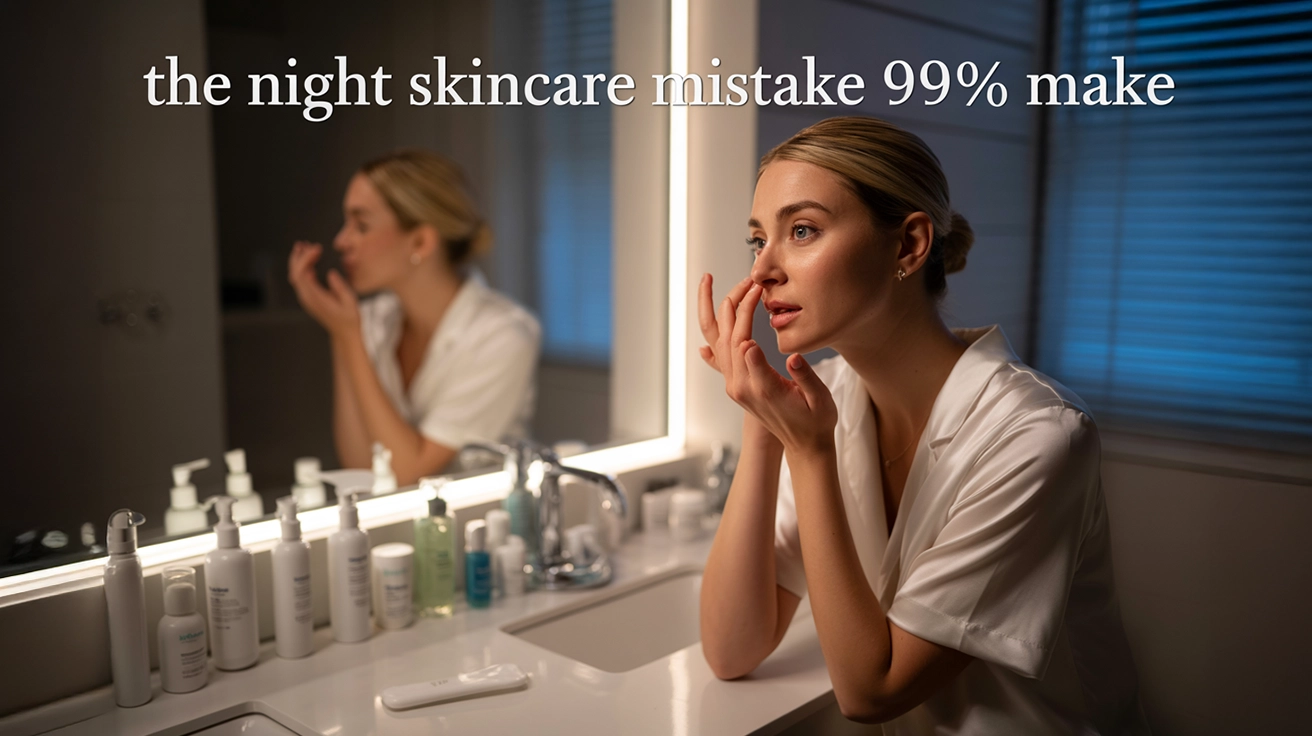
You spend all day protecting your skin from environmental damage, pollution, and UV rays – but the biggest skincare mistake happens when you think your job is done at bedtime.
This guide is for busy women who want to maximize their skin’s natural repair process and wake up with healthier, more radiant skin.
Most women either skip their nighttime skincare routine entirely or simply splash water on their faces before bed. Your skin works hardest to repair and regenerate while you sleep, making your evening routine the most important time to give it what it needs.
We’ll cover the game-changing double cleansing method that removes all traces of makeup, sunscreen, and daily buildup that regular face wash leaves behind. You’ll also discover why strategic layering of your skincare products matters more than the expensive serums themselves – and how getting the order wrong can actually prevent your skin from absorbing the ingredients you’re paying for.
Ready to transform your skin overnight? Let’s dive into the essential nighttime skincare steps that deliver real results while you sleep.
Your skin operates on a natural circadian rhythm, with the most significant repair and regeneration processes occurring while you sleep. During nighttime hours, your skin enters what dermatologists call the “regenerative phase,” where cellular renewal reaches its peak activity. This is when your body produces the highest levels of growth hormone, which directly stimulates collagen synthesis and accelerates the skin’s natural healing processes.
The science behind this nocturnal transformation is fascinating. As you sleep, blood flow to the skin increases significantly, delivering essential nutrients and oxygen that fuel cellular repair mechanisms. This enhanced circulation allows your skin to work more efficiently at repairing damage accumulated throughout the day, from UV exposure to environmental pollutants. The increased blood flow also helps remove metabolic waste products that can contribute to skin aging and dullness.
Collagen production, which naturally declines by approximately 1% per year after age 30, receives a substantial boost during sleep. The absence of external stressors during nighttime allows your skin to redirect energy toward synthesizing new collagen fibers and elastin, the proteins responsible for maintaining skin firmness, elasticity, and youthful appearance. This is why consistent, quality sleep is often referred to as “beauty sleep” – it’s not just folklore, but scientific fact.
Throughout the day, your skin faces a relentless barrage of environmental aggressors that can cause significant damage to cellular structures. UV radiation, pollution particles, blue light from digital devices, and free radicals all contribute to premature aging, inflammation, and compromised skin barrier function. By evening, your skin has accumulated substantial oxidative stress that requires immediate attention and repair.
A dedicated nighttime skincare routine serves as your skin’s first line of defense against this accumulated damage. Unlike daytime routines that focus primarily on protection, evening skincare concentrates on repair and restoration. Night creams and treatments are specifically formulated with higher concentrations of active ingredients that work to neutralize free radicals, reduce inflammation, and stimulate cellular regeneration processes that counteract daily environmental damage.
The protective barrier function of your skin also benefits significantly from nighttime care. During sleep, your skin’s natural protective barrier undergoes repair processes that strengthen its ability to defend against future environmental stressors. Proper nighttime skincare supports this natural restoration process by providing essential lipids, ceramides, and moisture that help maintain optimal barrier function.
The nighttime hours present a unique window of opportunity for maximum skincare ingredient absorption. During sleep, your skin’s permeability increases, allowing active ingredients to penetrate deeper into the skin layers where they can be most effective. This enhanced absorption capacity is due to several physiological changes that occur during rest periods.
Your skin’s pH levels become more balanced during nighttime hours, creating an optimal environment for ingredient absorption. Additionally, the absence of makeup, sunscreen, and environmental pollutants means your skin is in its cleanest, most receptive state. This allows treatment ingredients like retinol, peptides, hyaluronic acid, and antioxidants to penetrate more effectively and deliver maximum benefits.
Temperature regulation also plays a crucial role in nighttime ingredient absorption. As your body temperature naturally drops during sleep, your skin becomes more receptive to hydrating ingredients. Night creams are typically formulated with richer, more emollient textures that take advantage of this enhanced absorption capacity, providing intensive hydration and nourishment that would be too heavy for daytime wear.
The extended contact time during sleep – typically 7-8 hours – allows active ingredients to work continuously without interruption from environmental factors or the application of additional products. This prolonged exposure time is particularly beneficial for ingredients that require sustained contact to be effective, such as retinoids, alpha hydroxy acids, and moisturizing compounds that need time to fully integrate into the skin’s structure.
Oil-based cleansers serve as the crucial first step in a proper double cleansing method, acting as powerful dissolving agents for stubborn impurities that accumulate throughout the day. Research from Sichuan University demonstrates just how effective oil cleansers truly are—after using a cleansing oil once, only 5.8% of residue remained on the skin, compared to 37% after using a regular cleanser to remove waterproof sunscreen, and a staggering 60% when using water alone.
This remarkable effectiveness stems from the unique formulation of oil-based cleansers, which can be cleansing oils, balms, or specialized gel-balms. These products work on the principle that “like dissolves like”—the oils in these cleansers bind with oil-based impurities on your skin, including:
The application technique is crucial for maximum effectiveness. Apply your oil-based cleanser to completely dry skin using about an almond-sized amount. Gently massage it into your entire face, including the delicate eye area, allowing the oils to break down and dissolve all impurities. This massaging action should last 30-60 seconds to ensure thorough cleansing.
For those living in urban environments, this step becomes even more critical. Studies from the University of Cambridge reveal that pollution particles are particularly problematic on public transport systems, where “pollution particles are suspended for long periods, due to poor ventilation, particularly on station platforms.” These microscopic pollutants can penetrate deep into pores, making oil cleansing essential for city dwellers.
After massaging, add a small amount of lukewarm water to create a milky emulsion—this process helps the oil cleanser rinse away cleanly without leaving residue. The transformation from oil to milk indicates that the cleanser is properly emulsifying and preparing to wash away all dissolved impurities.
Now that the oil cleanser has dissolved stubborn impurities, the second cleanse ensures complete removal of any remaining residue while maintaining your skin’s natural protective barrier. This water-based cleanser step is where the magic of the double cleansing method truly shines—it provides thorough cleansing without the harsh stripping effects that can compromise your skin’s health.
Water-based cleansers contain surfactants—specialized ingredients with dual properties that make them perfect for this second cleansing step. These surfactants have one part that attracts water and another that binds to oil, allowing them to lift away any remaining traces from the first cleanse while being gentle enough not to disrupt your skin’s natural moisturizing factors (NMFs) and essential lipids.
The key to this step lies in choosing a gentle, pH-balanced formula. As dermatologist Dr. Beibei Du-Harpur explains, “If you need a second wash, it should always be with a gentle hydrating cleanser to prevent stripping your skin from essential natural oils, and ensure that there isn’t any lingering residue.”
Apply your water-based cleanser to still-damp skin (don’t dry your face after the oil cleanser) using about an almond-sized amount. The dampness helps the cleanser distribute evenly and work more effectively. Massage gently for 30 seconds to a minute, focusing on areas where impurities tend to accumulate, such as the T-zone and around the hairline.
Look for cleansers that contain hydrating ingredients like:
The result should be skin that feels clean, soft, and refreshed—never tight or stripped. This balanced approach ensures your nighttime skincare routine starts with the perfect foundation for all subsequent treatments and moisturizers.
While double cleansing offers superior results for removing makeup and heavy SPF, there are certainly days when a single cleanse provides adequate cleansing for your night skincare routine. Understanding when to simplify your routine prevents over-cleansing, which can disrupt your skin barrier and lead to irritation or increased oil production.
Single cleansing is most appropriate on days when you haven’t worn makeup and have used only lightweight SPF or moisturizer with built-in sun protection. As skincare experts note, “If you don’t usually wear makeup or spend time in a busy city, it’s advised to just stick with a single cleanse.” This simplified approach works particularly well for those with sensitive skin or during periods when your skin feels balanced and healthy.
However, even on makeup-free days, your skin accumulates impurities that require proper cleansing. Throughout the day, your skin produces natural oils, collects environmental dust, and may have residue from skincare products applied that morning. A quality water-based cleanser can effectively remove these lighter impurities without the need for an oil-based first step.
The single cleanse approach works best when you:
When opting for single cleansing, choose a gentle yet effective formula that can handle the day’s accumulated impurities without being overly stripping. Look for cleansers with mild surfactants and hydrating ingredients that maintain your skin’s natural balance.
It’s worth noting that over-cleansing can be counterproductive. As experts warn, “when you introduce surfactants to the skin—which are present in cleansers and can dissolve oil—you are risking disrupting the skin barrier a little bit.” This disruption can lead to increased sensitivity, dryness, or even reactive oil production as your skin tries to compensate.
The key is listening to your skin and adjusting your routine accordingly. Some people may find that alternating between double cleansing and single cleansing based on their daily activities and skin needs provides the perfect balance for maintaining healthy, glowing skin throughout their evening skincare regimen.
Chemical exfoliation represents a revolutionary approach to achieving smoother, more radiant skin through scientifically-proven acids that dissolve dead skin cells uniformly. Unlike physical scrubs that can cause microtears, chemical exfoliants work by weakening the bonds between dead cells, allowing them to naturally shed and reveal the fresh, healthy skin beneath.
Alpha Hydroxy Acids (AHAs) are the most potent chemical exfoliants, featuring water-soluble molecules with small molecular sizes that penetrate deeply into the skin’s surface layers. The most common AHAs include glycolic acid, lactic acid, malic acid, citric acid, tartaric acid, and mandelic acid. These powerful ingredients excel at addressing dark spots, surface wrinkles, fine lines, uneven skin tone, and dry skin conditions. Glycolic acid, originally developed to treat severe dry skin conditions like ichthyosis, remains the gold standard for its exceptional ability to refine texture and boost radiance.
Beta Hydroxy Acids (BHAs), particularly salicylic acid, offer unique oil-soluble properties that allow them to penetrate through oil glands and deep into pores. This makes BHAs exceptionally effective for blemish-prone skin where excess oil production creates congestion. Salicylic acid works tirelessly to unclog pores, prevent blackheads, and maintain clearer skin by addressing issues at their source within the pore structure.
Polyhydroxy Acids (PHAs) provide the gentlest chemical exfoliation option with larger molecular structures that work primarily on the skin’s surface. These water-soluble acids, including gluconolactone, are ideal for sensitive skin types as they exfoliate while simultaneously locking in moisture, creating a dual benefit that’s particularly valuable for those who experience irritation with stronger acids.
Fruit and flower acids and enzymes offer another gentle exfoliation method, working by literally eating away dead skin and debris at moderate concentrations. These natural exfoliants, including papaya enzymes and hibiscus acids, are well-tolerated by most skin types and provide effective results without the intensity of traditional acids.
For maximum effectiveness, chemical exfoliants should always be applied to completely clean skin to prevent makeup or dirt from being pushed deeper into pores. This is especially crucial for oily skin types, as excess sebum can interfere with acid penetration, reducing the exfoliating experience’s overall efficacy.
The frequency of chemical exfoliation varies dramatically based on skin sensitivity, age, and individual tolerance levels. Those with less-sensitive skin can typically handle more frequent exfoliation, while sensitive skin types require gentler formulas and reduced frequency to maintain healthy skin barrier function.
For sensitive skin individuals, starting with gentle acids like lactic acid instead of stronger glycolic acid is crucial. Beginning with concentrations no higher than 10% allows skin to gradually build tolerance. Polyhydroxy acids like gluconolactone offer an even gentler starting point for those who fear triggering irritation.
Dry skin types benefit significantly from exfoliation since slow cell turnover exacerbates dryness. Following sensitive skin guidelines initially is recommended, with lactic acid being particularly beneficial due to its hydrating properties at lower concentrations while functioning as an effective peel at higher levels.
Oily, acne-prone skin can typically handle more frequent exfoliation, with ingredients like salicylic acid and mandelic acid being particularly effective due to their oil-soluble properties that penetrate deeper into pores. However, initial purging is common and normal, typically lasting no more than two weeks with minor breakouts and minimal flaking.
Timing considerations are equally important for optimal results. Chemical exfoliants are best applied at nighttime since they can increase skin’s photosensitivity, making skin more vulnerable to sun damage during daylight hours. This timing allows the acids to work overnight during the skin’s natural repair cycle while minimizing UV exposure risks.
One of the most critical nighttime skincare mistakes involves layering multiple potent active ingredients simultaneously, particularly combining chemical exfoliants with retinoids. This combination can lead to severe over-exfoliation, resulting in compromised skin barrier function, excessive dryness, irritation, and increased sensitivity.
The danger of over-exfoliation cannot be overstated. When skin becomes over-exfoliated, it appears red, raw, flaky, and irritated—the complete opposite of the smooth, glowing complexion you’re trying to achieve. This compromised state actually makes skin more vulnerable to environmental damage, infection, and long-term sensitivity issues.
Strategic ingredient scheduling becomes essential for maintaining skin health while maximizing benefits from both chemical exfoliants and retinoids. The most effective approach involves alternating these powerful ingredients on different nights rather than layering them together. For example, using retinoids six days per week while incorporating gentle chemical exfoliants like 30% gluconolactone or 15% lactic acid once weekly on retinoid-free days.
Monitoring skin response is crucial when introducing any exfoliation routine. If products ever feel uncomfortable during application, immediate removal is necessary. Never exceed recommended usage frequencies, and avoid layering intense exfoliants in the same skincare session. Patch-testing any new exfoliating product before full-face application is particularly important for sensitive skin types.
Post-exfoliation care requires immediate moisturization with face oils or rich creams to prevent dryness and maintain skin barrier integrity. Additionally, diligent SPF application becomes non-negotiable following chemical exfoliation, as AHAs and BHAs significantly increase skin’s sun sensitivity, making protection against UV damage absolutely essential for preventing long-term skin damage and maintaining the benefits of your nighttime routine.
Now that we have covered the importance of strategic exfoliation for cellular renewal, it’s crucial to understand how pH-balancing toners create the foundation for your entire nighttime skincare routine. The primary goal of toner is to help balance the skin’s pH level and remove impurities left on the skin after cleansing—including residual dirt, oil, and makeup. This preparatory step ensures that your skin is in the optimal state to absorb the treatments, serums, and moisturizers that follow.
After cleansing, your skin’s natural pH can become disrupted, potentially hindering the effectiveness of your subsequent skincare products. A well-formulated toner helps rebalance your skin after cleansing and creates the ideal “base” upon which the rest of your nighttime skincare routine lies. This rebalancing process is essential because when your skin’s pH is properly calibrated, it becomes more receptive to active ingredients in your serums and treatments.
The toning step also serves as a crucial bridge between cleansing and treatment application. By instantly removing leftover residue without disrupting the skin’s natural barrier, toners ensure that no impurities interfere with product penetration. This thorough preparation allows your expensive serums and treatments to work at their maximum potential, delivering results more effectively than they would on unprepared skin.
With this preparation concept in mind, selecting the right toner formulation becomes critical for your nighttime skincare routine success. The modern toner market offers two primary categories: hydrating formulations and balancing formulations, each designed to address different skin needs and concerns.
Hydrating toners represent the gentler, more nourishing option suitable for all skin types. These formulations focus on locking in moisture and providing immediate hydration benefits. Look for gentle toners with hydrating ingredients like hyaluronic acid and niacinamide, which work together to boost your skin’s moisture retention capabilities. Hydrating toners are particularly beneficial for those with dry skin, though even those with oily skin can benefit from these lightweight formulas.
The key distinguishing factors of hydrating toners include their alcohol-free, astringent-free, and fragrance-free formulations. These toners are pH-balanced and designed to support the skin barrier after cleansing without causing irritation or dryness. Many hydrating toners contain ceramides, which help restore and protect the skin’s natural barrier by locking moisture in and helping to seal out impurities.
In contrast to the harsh alcohol-based toners of the past that gained a negative reputation for being “harsh” on the skin, modern balancing toners focus on gentle pH correction without stripping essential moisture. When choosing a toner for your nighttime routine, it’s important to read the product label carefully for any potentially irritating or drying ingredients. Avoid toners with alcohol, fragrance, and harsh astringents, as they can be drying to the skin and counterproductive to your overnight recovery goals.
Previously, we’ve established the importance of proper toner selection, but the application method significantly impacts the effectiveness of this crucial step in your nighttime skincare routine. The technique you use to apply your toner can make the difference between adequate and exceptional results.
Toner may be applied using a cotton ball or pad, or it can be patted into the skin directly with clean hands. Each method offers distinct advantages depending on your skin type and personal preferences. The cotton pad method provides thorough distribution and helps ensure complete removal of any remaining impurities. Apply the toner by gently wiping over your skin until it feels completely free of dirt, oil, makeup, and other residual elements from the day.
For those seeking a more gentle approach, the hand application method offers superior control and reduces potential irritation from cotton fibers. When using this technique, pour a small amount of toner into your clean palms and gently pat it into your skin, allowing for better absorption and a more tactile understanding of your skin’s needs.
Timing plays a crucial role in toner application effectiveness. Toner can be applied while the skin is still damp from cleansing, which actually enhances its moisture-locking capabilities. This damp application method helps trap additional hydration and creates an optimal environment for the toner’s active ingredients to work.
Modern toners feature leave-on formulas, so they can remain on the skin after application without requiring removal. This characteristic allows the beneficial ingredients to continue working throughout your nighttime routine, providing ongoing pH balance and hydration support. Once you’ve finished applying your toner, you can immediately continue with the rest of your evening skincare regimen, including targeted treatments, serums, and moisturizers.
The fast-absorbing, non-greasy finish of quality toners makes them easy to incorporate into your nighttime skincare routine without creating unwanted residue or interfering with subsequent product application.
Previously, we’ve established that nighttime is when your skin enters repair mode, making it the optimal time for powerful anti-aging treatments. The most effective targeted treatment for combating signs of aging is retinol, a vitamin A derivative that works synergistically with your skin’s natural overnight renewal process.
Retinol accelerates cellular turnover, shedding dead skin cells while encouraging the growth of fresh ones. This powerful ingredient also stimulates collagen production, reduces inflammation and oil production, and helps break up existing pimples. The result is smoother, more resilient skin with reduced fine lines, smaller-looking pores, and a more even skin tone.
When selecting a retinol product for your night skincare routine, concentration matters significantly. Dermatologists recommend starting with lower concentrations around 0.3% for retinol or 0.03% for retinal (retinaldehyde), gradually working up to higher strengths as your skin builds tolerance. Never exceed 1% retinol or 0.1% retinal, as higher concentrations can cause excessive irritation.
Retinaldehyde vs. Retinol: Understanding the Differences
Retinaldehyde requires only one conversion step to become active retinoic acid in your skin, making it faster-acting than traditional retinol, which needs two conversion steps. Products containing encapsulated retinaldehyde, like those with lipid-encased formulations, regulate absorption speed and reduce potential irritation. Many users notice that these advanced formulations don’t trigger sensitivity, making them ideal for consistent nightly use.
Traditional retinol, while requiring more conversion steps, is considered more stable in formulations. High-quality retinol products often include encapsulated technology and supporting ingredients like squalane, niacinamide, ceramides, and glycerin to counteract potential dryness and irritation.
Application Guidelines for Maximum Effectiveness
Start by using retinol products only 2-3 times per week, allowing your skin to adjust before increasing frequency. Apply retinol after cleansing and toning but before heavier creams or oils. Since vitamin A derivatives deactivate when exposed to light and can increase sun sensitivity, they should only be used as part of your nighttime skincare routine.
Never combine retinol with chemical exfoliants on the same night, as this combination can cause severe irritation. If you’re planning facial waxing or microblading procedures, discontinue retinol use at least one week beforehand.
Now that we’ve covered anti-aging solutions, let’s explore brightening treatments that target uneven skin tone and redness. Niacinamide, also known as vitamin B3, is a versatile ingredient that works exceptionally well during nighttime skincare routines to address multiple skin concerns simultaneously.
This powerhouse ingredient reduces inflammation, regulates oil production, and strengthens the skin barrier—making it particularly effective for those dealing with redness, enlarged pores, and uneven texture. Unlike some active ingredients, niacinamide is generally well-tolerated by all skin types, including sensitive skin.
During your evening skincare regimen, niacinamide works to minimize the appearance of pores while brightening dark spots and post-inflammatory hyperpigmentation. Its anti-inflammatory properties make it an excellent choice for those with rosacea or general skin sensitivity, as it helps calm irritation while promoting a more even complexion.
Layering Niacinamide in Your Night Routine
Niacinamide pairs beautifully with other nighttime treatments, including retinol. Many high-quality evening serums combine niacinamide with moisturizing ingredients like glycerin and squalane, creating multi-functional products that address aging, brightening, and hydration simultaneously.
Apply niacinamide-containing products after cleansing and toning but before heavier treatments like oils or thick night creams. This ingredient can be used nightly without the gradual introduction period required for retinol.
With this in mind, next we’ll examine how beta-hydroxy acids (BHAs) can transform your nighttime skincare routine for clearer, smoother skin. BHAs, particularly salicylic acid, are oil-soluble ingredients that penetrate deep into pores to dissolve excess sebum and dead skin cells that cause breakouts.
Unlike alpha-hydroxy acids (AHAs) that work on the skin’s surface, BHAs work within the pore structure, making them exceptionally effective for treating blackheads, whiteheads, and preventing future breakouts. This deeper penetration also helps reduce the appearance of enlarged pores and creates a smoother skin texture.
Strategic BHA Application for Overnight Results
During your nighttime skincare mistakes avoidance routine, apply BHA treatments after cleansing but before moisturizing. Start with 1-2 times per week and gradually increase frequency as your skin builds tolerance. Never use BHA treatments on the same night as retinol, as this combination can cause excessive irritation and compromise your skin barrier.
BHA treatments are particularly effective when applied as part of a comprehensive evening skincare regimen that includes proper hydration. Follow BHA application with a gentle, non-comedogenic moisturizer to prevent over-drying, which can actually trigger increased oil production.
For spot treatments targeting specific breakouts, clay-based creams can be applied directly to problem areas after your BHA treatment, allowing these targeted solutions to work overnight while you sleep. This strategic approach maximizes the overnight repair benefits while addressing specific skin concerns systematically.
Proper hydration forms the foundation of an effective night skincare routine, but understanding the balance is crucial for maintaining optimal skin barrier function. Your skin’s natural moisture barrier serves as your first line of defense against environmental aggressors, and supporting it correctly through targeted hydration can dramatically improve your overnight skin repair process.
During nighttime, your skin’s ability to absorb active ingredients increases significantly—studies show skin can absorb 100% of beneficial ingredients from serums and treatments at night compared to only 30% during the day. This enhanced absorption capacity means your hydrating serums work more effectively, but it also requires careful consideration of product selection and application techniques.
The key to successful overnight hydration lies in choosing formulas that work harmoniously with your skin’s natural repair processes. Hydrating serums containing hyaluronic acid are particularly effective because this molecule can hold up to 1,000 times its weight in water, providing deep moisture without overwhelming your skin’s natural balance. When applied correctly, these serums help encourage your skin’s natural production of hyaluronic acid, creating a self-sustaining hydration cycle.
Quality night serums often incorporate glycerin and specialized epidermal hydration fillers that penetrate multiple layers of skin. Some advanced formulations feature engineered hyaluronic acid molecules, such as 11kDa hyaluronic acid, which can penetrate up to 8 layers deep into your skin structure. This deeper penetration ensures long-lasting hydration without creating surface heaviness that could clog pores or disrupt your skin’s natural overnight renewal process.
Nighttime dehydration presents a unique challenge that many women overlook in their evening skincare regimen. While you sleep, blood circulation increases significantly to help eliminate toxins and waste, but this process can also lead to increased water loss if your skin isn’t properly prepared with moisture-binding ingredients.
The most effective approach involves selecting serums formulated with ingredients that actively combat dehydration throughout the night. Hyaluronic acid stands out as the gold standard for moisture retention, but the molecular size and concentration matter significantly. Smaller molecular weight hyaluronic acid can penetrate deeper into skin layers, while larger molecules provide surface-level hydration and plumping effects.
Advanced hydrating serums often combine multiple moisture-binding ingredients to create comprehensive overnight protection. These formulations may include adaptogenic herbs like red ginseng, which help strengthen your skin’s natural resilience while maintaining optimal hydration levels. The combination of these ingredients creates a protective environment that allows your skin’s natural collagen and hyaluronic acid production to intensify during sleep.
Professional-grade serums designed for nighttime use typically feature lightweight textures that absorb quickly without leaving residue. This characteristic is essential because heavy formulations can interfere with your skin’s natural breathing process and may contribute to morning puffiness or congestion.
Strategic layering of hydrating products can maximize your nighttime skincare routine effectiveness, but proper technique is essential to avoid overwhelming your skin or creating product interference. The fundamental principle involves applying products from thinnest to thickest consistency, allowing each layer to absorb fully before adding the next.
Begin with water-based hydrating serums that contain high concentrations of active ingredients. These lightweight formulations should be applied to clean, slightly damp skin to enhance absorption. Allow 2-3 minutes between applications to ensure each product penetrates effectively without creating a barrier that prevents subsequent products from working.
When layering multiple hydrating products, consider the specific benefits each formula provides. For example, you might start with a vitamin C serum that contains hydrating hyaluronic acid, followed by a specialized hydrating serum concentrate. This approach ensures you’re addressing multiple skin concerns while maintaining optimal moisture levels throughout the night.
The final step in your layering routine should involve products with slightly heavier textures or those containing oils. These create a protective barrier that helps seal in all the hydrating ingredients you’ve applied while preventing overnight water loss. Quality night oils containing ingredients like evening primrose oil, lavender essential oil, and squalane can enhance the effectiveness of your hydrating serums while providing additional nourishment.
Remember that your skin’s needs may vary based on environmental factors, hormonal changes, and seasonal variations. Pay attention to how your skin responds to different layering combinations and adjust accordingly. Signs of proper hydration include skin that feels plump and smooth upon waking, with improved radiance and reduced appearance of fine lines.
Now that we have covered the importance of strategic layering in your nighttime skincare regimen, the eye area requires specialized attention due to its unique characteristics. The skin around our eyes is some of the thinnest and most delicate on our faces, making it particularly vulnerable to the first visible signs of aging and environmental damage.
The under-eye area is naturally prone to dehydration and dark spots, requiring targeted treatments that address multiple concerns simultaneously. Puffiness often results from fluid retention and weakened capillaries, while dark circles can stem from various factors including genetics, lifestyle, and the natural thinning of skin that makes underlying blood vessels more visible. Fine lines develop as collagen production decreases and the delicate skin loses its elasticity over time.
Unlike other areas of your face, the eye region lacks sebaceous glands, making it inherently drier and more susceptible to environmental stressors. This unique structure means that your regular face cream simply cannot provide the specialized care this area demands. The orbital bone structure also creates natural hollows that can cast shadows, emphasizing the appearance of tiredness and aging.
With this in mind, nighttime eye care products are specifically formulated with higher concentrations of active ingredients to maximize their effectiveness during your skin’s natural repair cycle. These concentrated formulas contain moisture-boosting ingredients that work synergistically to address the eye area’s specific needs.
Advanced eye care products incorporate innovative ingredient matrices designed to deliver sustained hydration throughout the night. These formulations often feature hyaluronic acid complexes that can hold up to 1,000 times their weight in water, ensuring deep and lasting moisture penetration. The higher concentration of active ingredients in nighttime eye treatments allows for more intensive repair and renewal processes to occur while you sleep.
Specialized peptide complexes work to stimulate collagen production and improve skin firmness, while botanical extracts provide antioxidant protection against free radical damage. The increased potency of these formulations means that even small amounts can deliver significant results, making them more effective than their daytime counterparts.
Time-released delivery systems ensure that beneficial ingredients continue working throughout the night, maximizing the skin’s natural repair window. This sustained release mechanism allows for gradual absorption, preventing irritation while maintaining therapeutic levels of active compounds in the skin.
Previously, I’ve mentioned the importance of layering products correctly in your night skincare routine, and eye creams represent a crucial step in this process. The thicker consistency of nighttime eye treatments serves multiple purposes beyond simple moisturization, creating an optimal environment for cellular repair and regeneration.
These richer formulations create a protective barrier that prevents transepidermal water loss, which is particularly important in the delicate eye area. The occlusive properties of these thicker consistencies help seal in previously applied serums and treatments, enhancing their absorption and effectiveness throughout the night.
The substantial texture of overnight eye treatments allows for sustained contact time with the skin, enabling deeper penetration of active ingredients. This prolonged interaction is essential for ingredients like retinol and peptides, which require time to stimulate cellular turnover and collagen synthesis effectively.
Winter daphne stem cell extract and time-released retinol work together in these thicker formulations to create firming and tightening effects around the eyes. Clinical studies demonstrate that consistent use over eight weeks can result in skin that feels three times firmer, showcasing the power of concentrated overnight treatments.
The viscous nature of these products also provides immediate plumping effects by creating a film that smooths the appearance of fine lines and wrinkles. This temporary tightening effect works alongside long-term anti-aging benefits, providing both instant and progressive improvements to the eye area’s appearance.
These specialized formulations recognize that the eye area requires dedicated attention with products specifically designed for its unique needs, ensuring that your overnight skincare routine addresses every aspect of facial aging and repair.
Now that we’ve applied targeted treatments and hydrating serums, face oils serve as the crucial protective layer that transforms your nighttime skincare regimen. These nourishing formulations create an occlusive barrier that prevents trans-epidermal water loss, effectively sealing in all the beneficial ingredients you’ve carefully layered beneath.
Face oils work by mimicking your skin’s natural sebum production, creating a harmonious balance that enhances your skin’s barrier function. Unlike traditional moisturizers that provide hydration through water-based ingredients, face oils deliver a potent dose of essential fatty acids, antioxidants, and vitamins directly to your skin. This unique composition allows them to form a protective film that locks in moisture while allowing your skin to breathe naturally.
The humectant properties of quality face oils come from ingredients like squalane, jojoba oil, and rosehip seed oil. Squalane, derived from olives or sugarcane, offers lightweight hydration while improving skin elasticity. Jojoba oil closely mimics your skin’s natural oils, making it an exceptional choice for creating this protective barrier without overwhelming your complexion. Rosehip seed oil brings additional benefits, celebrated for its ability to reduce scars and fine lines while maintaining the integrity of your overnight skincare routine.
With this protective barrier strategy in mind, timing becomes absolutely critical for maximizing the effectiveness of your face oils within your night skincare routine. The golden rule is to apply face oils as the final step in your regimen, after all water-based products but before any heavier cream moisturizers if you choose to layer them.
Apply your chosen face oil to clean, slightly damp skin for optimal absorption. This moisture helps the oil penetrate more effectively, creating that essential lock-in effect for all previous products. Start with just 2-3 drops of oil, warming it between your palms before gently pressing it onto your face and neck using upward motions.
The sequence should follow this pattern: after your serums and treatments have had a few minutes to absorb, apply your face oil while your skin still retains some moisture from the previous steps. This timing ensures that the oil can properly seal in the beneficial ingredients from your targeted treatments while creating its own nourishing barrier.
For those incorporating retinol or other active ingredients into their evening skincare regimen, apply these actives first, allow them to absorb completely, then finish with your face oil. This approach seals in all the goodness while providing the protective barrier your skin needs for overnight repair and rejuvenation.
Previously, many skincare enthusiasts worried that regular oil use might create dependency, causing their skin to reduce its natural oil production. However, strategic use of face oils actually helps regulate your skin’s natural sebum production rather than creating dependency.
The key to avoiding any potential issues lies in choosing the right oil for your skin type and using appropriate amounts. For oily or acne-prone skin, lighter oils high in linoleic acid, such as rosehip or grapeseed oil, are ideal because they’re less likely to clog pores while still providing the protective barrier benefits. These non-comedogenic options won’t disrupt your skin’s natural balance.
For dry skin types, richer oils containing oleic acid, like marula or avocado oil, provide deeper moisture without overwhelming the skin’s natural processes. The goal is to support and enhance your skin’s existing functions rather than replace them entirely.
Strategic use means starting slowly and observing how your skin responds. Begin with every other night application, gradually increasing frequency as your skin adapts. This approach allows your skin to maintain its natural balance while benefiting from the protective and nourishing properties of face oils.
Remember that a little goes a long way with face oils. Overuse can lead to clogged pores or an overly greasy feeling, but proper application creates that perfect protective barrier that locks in your carefully applied nighttime skincare products, maximizing their overnight effectiveness while you sleep.
Now that you’ve layered on your serums, treatments, and eye care products, moisturizing serves as the crucial protective seal that locks in all the beneficial ingredients you’ve applied throughout your nighttime skincare routine. This final step creates a barrier that prevents trans-epidermal water loss (TEWL), which naturally increases during sleep due to your skin’s circadian rhythm.
Your skin barrier becomes more permeable in the evening, meaning moisture within your skin can more easily evaporate. Without proper moisturization as the final step, all the active ingredients from your previous products—including hyaluronic acid serums and targeted treatments—can lose their effectiveness as they escape through your compromised skin barrier.
The ideal night moisturizer should contain a combination of lipids and humectants to maximize this sealing effect. Look for formulations that include ceramides, which are naturally found lipids that help fortify your skin barrier, and hyaluronic acid, a powerful humectant that draws in and retains water. These ingredients work synergistically to create an impermeable layer that keeps your carefully applied skincare products working throughout the night.
With this protective barrier in place, your moisturizer doesn’t just seal in products—it actively participates in your skin’s natural repair processes that occur during sleep. Night creams are specifically formulated to work with your body’s circadian rhythm, taking advantage of the enhanced cellular activity that happens while you rest.
During nighttime hours, your skin cells go into repair mode, recovering from the damage incurred during daytime exposure to environmental stressors. This is when collagen production naturally increases, and the right moisturizing ingredients can significantly boost this process. Advanced night cream formulations often contain ingredients like Regenacell™, which can elevate cellular energy by up to 65%, synchronizing with your body’s natural nightly repair processes.
The rich, thick texture of night creams allows for deeper penetration of anti-aging ingredients compared to lighter day formulations. This enhanced absorption capability means that active ingredients can reach deeper layers of skin where collagen synthesis occurs, supporting the natural regeneration process that helps combat fine lines and wrinkles.
Throughout the night, your skin naturally loses moisture as part of its circadian rhythm cycle. Studies show that trans-epidermal water loss tends to be higher in the evening than during daytime hours, making nighttime moisturizing absolutely essential for maintaining skin health.
A quality night cream creates a moisture-locking barrier that prevents this natural water loss from leaving your skin dehydrated by morning. The best nighttime skincare routine includes moisturizers with ingredients like a Triple Ceramide Complex and botanical beta-glucans, which have been proven as effective as hyaluronic acid in holding moisture within the skin.
This overnight moisture retention is crucial for several reasons. First, it prevents the dry, dull appearance that many people experience upon waking. Second, adequate moisture levels are essential for proper cellular function and the repair processes that occur during sleep. Finally, well-hydrated skin maintains better barrier function, which protects against environmental damage and supports overall skin health.
The application technique for your night moisturizer is equally important. Using clean fingertips, gently massage the cream in upward and circular motions across your face, neck, and chest. This massage technique not only enhances absorption but also promotes circulation, ensuring that your skin receives maximum benefit from both the moisturizing ingredients and the improved blood flow.
By consistently applying a proper night moisturizer as the final step in your evening skincare regimen, you’re ensuring that your skin maintains optimal hydration levels for the full 8-hour repair cycle, waking up to a complexion that’s soft, plump, and radiant.
Now that we’ve covered the essential steps of your nighttime skincare regimen, it’s time to explore advanced enhancement options that can elevate your routine to professional levels. Overnight treatments and hydrating masks represent the pinnacle of intensive skincare care, working while you sleep to deliver concentrated benefits that regular products simply can’t match.
Overnight masks are specifically formulated to work with your skin’s natural repair cycle, which peaks during the night hours. Unlike traditional masks that you wash off after 10-20 minutes, these leave-on treatments continue delivering active ingredients throughout the night. They create a protective barrier that locks in moisture while infusing your skin with concentrated serums, peptides, and growth factors.
The key advantage of overnight treatments lies in their extended contact time with your skin. This prolonged exposure allows for deeper penetration of active ingredients, making them particularly effective for addressing stubborn concerns like hyperpigmentation, fine lines, and dehydration. Many overnight masks also contain time-release technology, ensuring that beneficial ingredients are gradually delivered to your skin cells throughout the sleep cycle.
When incorporating overnight treatments into your nighttime skincare routine, timing is crucial. Apply these products as your final step, after your regular moisturizer has been absorbed. This ensures that the treatment can form an effective occlusive layer without interfering with the absorption of your other skincare steps.
Previously, professional-grade skincare treatments were only available in dermatology offices and high-end spas. Today’s at-home devices bring clinical-quality results directly to your evening skincare regimen, revolutionizing how we approach nighttime beauty routines.
LED light therapy masks represent one of the most significant advances in home skincare technology. These FDA-cleared devices utilize specific wavelengths of light to target various skin concerns with remarkable precision. Clinical studies demonstrate that consistent use can produce results comparable to professional treatments, making them an excellent investment for serious skincare enthusiasts.
The effectiveness of these devices lies in their ability to penetrate deep into skin layers, stimulating cellular processes that occur naturally during nighttime repair. Red light therapy, typically using wavelengths around 630nm, penetrates deeply to stimulate collagen production and reduce inflammation. Blue light therapy, at approximately 415nm, targets acne-causing bacteria, making it particularly effective for those struggling with breakouts.
Many users report visible improvements within just 2-3 weeks of consistent use, with 97% showing overall improvement in fine lines, wrinkles, and skin tone after 10 weeks of regular treatment. The convenience of at-home use means you can easily incorporate these treatments into your nightly routine without the time and expense of spa visits.
With this in mind, let’s explore how to strategically integrate these advanced technologies into your nighttime skincare routine for maximum effectiveness. LED therapy works best when used consistently, typically requiring 10-20 minute sessions several times per week.
LED masks offer multiple light settings targeting different concerns simultaneously. Red light stimulates collagen production, firms skin, and improves overall texture, while blue light destroys acne-causing bacteria. Many advanced devices feature combination settings that address both aging and acne concerns in a single treatment session.
The timing of LED therapy within your routine is important for optimal results. Use these devices after cleansing but before applying serums and moisturizers. This allows the light wavelengths to penetrate effectively while ensuring your skin is clean and receptive to treatment. The light therapy actually enhances the absorption of subsequently applied products, making your entire nighttime skincare routine more effective.
Microcurrent devices represent another category of professional-grade technology now available for home use. These tools use low-level electrical currents that mirror your body’s natural bioelectricity, stimulating facial muscles and promoting cellular regeneration. When used consistently, microcurrent treatments can provide lifting and toning effects similar to a non-surgical facelift.
Facial massage integration complements both LED and microcurrent treatments beautifully. The mechanical stimulation from massage tools increases blood circulation, promotes lymphatic drainage, and enhances product penetration. Gua sha tools and jade rollers work particularly well when used after applying serums but before heavier moisturizers, helping to work active ingredients deeper into the skin while providing relaxing, stress-reducing benefits that support your skin’s natural overnight repair processes.
The comprehensive nighttime routine outlined here addresses the most common skincare mistake that keeps 99% of women from achieving their best skin: treating nighttime skincare as an afterthought rather than the powerful renewal opportunity it truly is. Your skin’s natural repair and collagen production peak while you sleep, making this the most critical time to provide targeted care through double cleansing, strategic exfoliation, pH-balancing toners, and nourishing treatments that work synergistically overnight.
Remember, consistency is key to transformation. Start by incorporating the essential steps thorough cleansing, hydrating serums, and proper moisturizing, then gradually add targeted treatments based on your specific concerns. Your nighttime routine isn’t just about maintaining your skin; it’s about actively reversing daily environmental damage and setting the foundation for radiant, youthful-looking skin. Make tonight the night you stop making this costly mistake and begin your journey toward the glowing complexion you deserve.

Your go-to guide for all things beauty and wellness, with a knack for uncovering the secrets to radiant skin and a balanced life.