Your Ultimate Guide to Healthy, Glowing Skin – Expert Tips, Honest Reviews & Skincare Secrets!

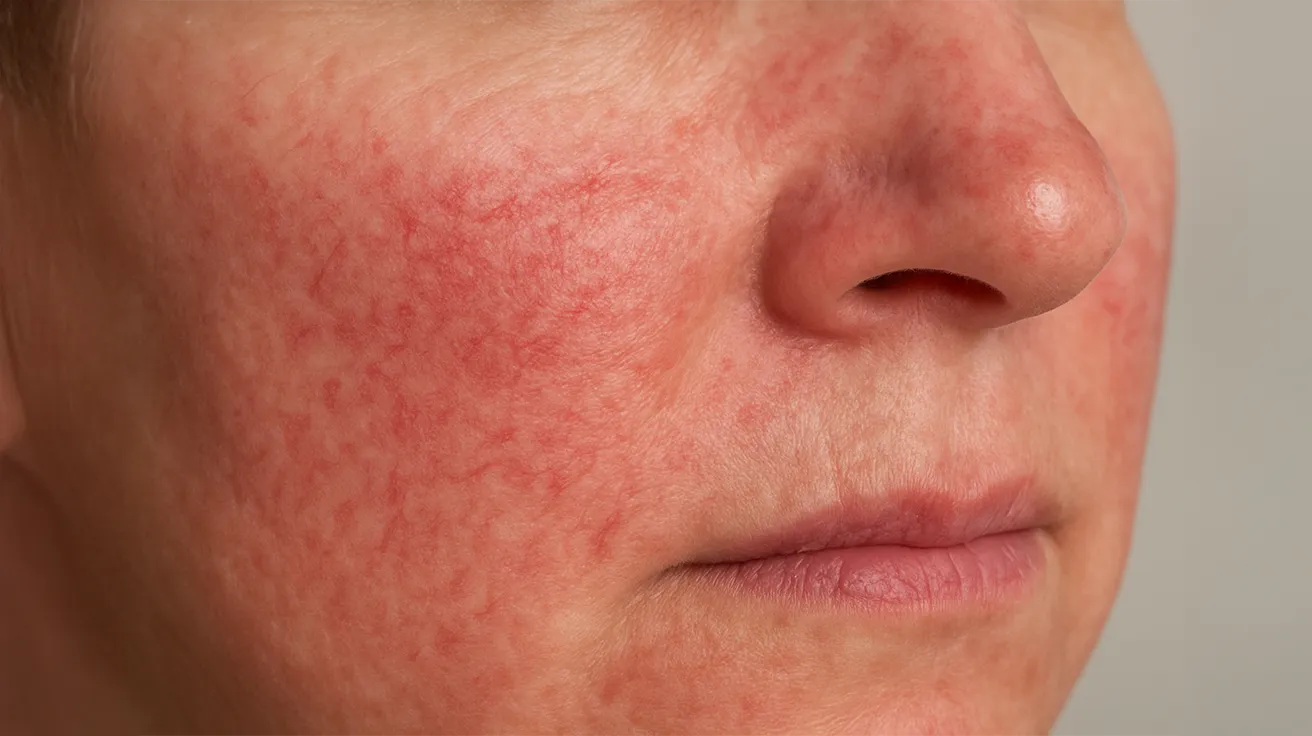
If you’re dealing with the redness, bumps, and irritation of rosacea, you know how frustrating it can be to find affordable rosacea products that actually work. This drugstore skincare for rosacea solution changed everything for my sensitive skin in just 30 days.
This guide is for anyone struggling with rosacea who wants an effective, cheap rosacea treatment without breaking the bank. You’ll discover exactly which $12 product transformed my skin, how to build a rosacea skincare routine around it, and what rosacea friendly ingredients to look for when shopping.
I’ll walk you through the specific steps I took to calm my inflamed skin and share my rosacea before and after results. Plus, you’ll learn which common skincare mistakes can make rosacea worse and how to avoid them while creating your own anti-inflammatory skincare routine at home.
Rosacea is a common skin condition that causes persistent facial redness, flushing, and various inflammatory symptoms that can significantly impact daily life. This chronic condition primarily affects the central areas of the face, including the nose, cheeks, chin, and forehead, though symptoms can also extend to the chest, ears, neck, and scalp.
The condition affects a specific demographic pattern. You’re more likely to develop rosacea if you have skin that burns easily in the sun, are between the ages of 30 to 50 years, have a history of smoking, or have a family member with rosacea. While anyone can develop this condition, these risk factors significantly increase your likelihood of experiencing rosacea symptoms.
Research suggests that rosacea could stem from multiple underlying causes, including conditions affecting your blood vessels, immune system, or nervous system. The exact cause remains unknown, though studies point to potential factors such as microscopic skin mites (Demodex), certain bacterial infections like H. pylori, or malfunctioning proteins that normally protect skin from infection.
Rosacea’s appearance varies greatly from person to person, but the condition always includes at least one primary sign. Flushing represents the earliest sign, where frequent blushing episodes occur, often triggered by specific factors.
Persistent redness resembles a blush or sunburn that refuses to fade, creating a constant red appearance across affected areas. This differs significantly from temporary flushing and becomes a defining characteristic of rosacea-prone skin.
Bumps and pimples frequently develop as small, red, solid bumps or pus-filled lesions that may resemble acne. However, unlike acne, rosacea doesn’t produce blackheads. These bumps often come with burning or stinging sensations that can make daily skincare routines uncomfortable.
Visible blood vessels appear as thin, red lines under the skin surface, particularly noticeable on the nose and cheeks. These spider veins become increasingly prominent as the condition progresses.
Additional symptoms that characterize rosacea-prone skin include:
Rosacea demands a specialized skincare approach because this sensitive skin condition responds dramatically to specific triggers and irritants. Unlike normal skin concerns, rosacea-prone skin has an overactive response to environmental factors, making standard skincare routines potentially harmful.
Each person with rosacea has unique triggers that cause symptom flares, including sun exposure, temperature extremes, stress, alcohol consumption, spicy foods, and certain skincare products. This individual variation means that affordable rosacea products and rosacea-friendly ingredients must be carefully selected based on personal tolerance levels.
The condition involves potential autoimmune responses where the immune system overworks to address perceived threats, attacking healthy skin cells in the process. This heightened immune sensitivity means that anti-inflammatory skincare becomes essential for managing symptoms effectively.
Rosacea management requires avoiding harsh ingredients that can trigger flares while focusing on gentle, soothing formulations. The skin’s compromised barrier function in rosacea means that products must support healing rather than cause additional irritation.
Understanding these unique characteristics is crucial before implementing any rosacea skincare routine or exploring how to treat rosacea at home. The specialized approach involves identifying personal triggers, selecting appropriate products, and maintaining consistency with gentle care practices that support the skin’s healing process rather than exacerbating inflammation.
When managing rosacea with an affordable drugstore skincare routine, your cleanser forms the foundation of effective treatment. Harsh cleansers, bar soaps, and abrasive scrubs can severely damage and inflame rosacea-prone skin, making your condition worse rather than better.
Avoid cleansers containing alcohol, essential oils like cinnamon, rosemary, lavender, and rose, as well as synthetic fragrances. Ingredients such as lemon, lime, menthol, peppermint, pine, or cedar can cause significant irritation and trigger flare-ups. Additionally, steer clear of rough facecloths, stiff-bristled cleansing brushes, or scrubs with coarse grains.
Instead, opt for gentle, non-drying cleansers specifically formulated for sensitive skin. These products clean effectively without stripping your skin’s protective barrier or causing inflammation that can worsen rosacea symptoms.
Beta hydroxylic acid (BHA), also known as salicylic acid, offers exceptional benefits for rosacea management when used correctly. This anti-inflammatory skincare ingredient has well-established skin-renewing properties and proven soothing effects that help reduce breakout-prone skin, redness, and discomfort associated with rosacea.
BHA effectively reduces both redness and dry flakiness while simultaneously helping with spots and blackheads that often accompany rosacea. The key to success lies in proper formulation – your BHA product should be at the right pH and concentration, free from irritating ingredients such as fragrance and drying alcohols (primarily SD or isopropyl alcohols).
If you have rosacea-prone skin, start slowly by using a BHA exfoliant every other day, then gradually build up to daily use as your skin tolerates it. This gradual approach helps prevent irritation while allowing your skin to benefit from BHA’s proven effectiveness on rosacea papules and pustules.
Daily sun protection represents one of the most crucial steps in any rosacea skincare routine. Mineral sunscreens containing titanium dioxide and zinc oxide are exceptionally gentle and effective, making them the ideal choice for rosacea-prone skin.
These mineral sunscreen agents provide broad-spectrum protection without the potential irritation that chemical sunscreens might cause. The gentle nature of titanium dioxide and zinc oxide makes them particularly suitable for sensitive, inflamed skin typical of rosacea sufferers.
Choose products with SPF 30 or higher to ensure adequate protection throughout the day. Consistent use of appropriate mineral sunscreen helps prevent UV-triggered flare-ups and supports overall rosacea management as part of your affordable treatment routine.
Now that we’ve covered cleansing, exfoliation, and sun protection, selecting the right moisturizer becomes essential for completing your rosacea management routine. Your moisturizer choice should align with your specific skin type while providing the anti-inflammatory benefits your rosacea-prone skin needs.
For oily or combination skin with rosacea, lightweight lotions, gel moisturizers, or even light serums work best in the evening. Consider serums containing retinol, as this ingredient helps reduce inflammation when used appropriately. However, because rosacea-prone skin often exhibits increased sensitivity, start with low-potency retinol formulations and use them every other night initially.
For dry or normal skin with rosacea, opt for richer lotions or creams containing sufficient antioxidants and skin-repairing ingredients in the evening routine. These formulations may also include retinol, provided they’re gentle and well-tolerated by your skin.
Key beneficial ingredients to look for in your moisturizer include niacinamide, which has proven anti-inflammatory effects specifically for rosacea, and hyaluronic acid, which provides potent hydration while offering anti-inflammatory properties to help alleviate redness and discomfort while improving skin barrier function.
While retinol isn’t specifically mentioned in traditional rosacea treatment protocols, its anti-inflammatory properties can benefit some individuals with controlled rosacea when introduced gradually. For rosacea-prone skin, retinol should be used with extreme caution, starting with the lowest concentration (0.25% or less) and applying it only once or twice per week initially. The key is building tolerance slowly over several months, as rushing the process can trigger severe flare-ups and worsen existing redness.
Now that we’ve discussed gentle actives, niacinamide stands out as one of the most effective anti-inflammatory skincare ingredients for rosacea management. This versatile ingredient works by strengthening the skin barrier and reducing inflammation that characterizes rosacea flare-ups. However, it’s crucial to note that some formulations may contain concentrations that are “too much for every day/every-other-day use,” particularly for sensitive rosacea-prone skin. When selecting niacinamide products, opt for lower concentrations (5% or less) and introduce them gradually to avoid overwhelming compromised skin barriers.
Previously, dermatologists have recognized azelaic acid as “one of the greatest ingredients for rosacea and usually prescribed by dermatologists as topical treatment.” Products like The Ordinary Azelaic Acid have gained popularity among those seeking affordable rosacea products. Azelaic acid works through multiple mechanisms – it provides gentle exfoliation, reduces inflammation, and offers antibacterial properties that target the underlying causes of rosacea flare-ups. This makes it particularly effective for papulopustular rosacea, where bacterial overgrowth contributes to symptoms.
With this in mind, salicylic acid requires careful consideration for rosacea management. While not specifically highlighted in traditional rosacea treatments, gentle exfoliation can help remove dead skin cells without mechanical irritation. For sensitive skin skincare routines, salicylic acid should be used sparingly and in very low concentrations (0.5% or less) to avoid triggering inflammatory responses.
Next, we’ll explore how hyaluronic acid serves as an excellent hydrating ingredient for rosacea-friendly ingredients lists. This moisture-binding molecule can hold up to 1,000 times its weight in water, providing essential hydration without adding oils that might clog pores or trigger sensitivities. For those managing rosacea at home, hyaluronic acid-based serums offer lightweight moisture that supports skin barrier repair.
Finally, vitamin C can provide antioxidant protection and support collagen production in rosacea-prone skin, though it requires careful selection of stable, gentle formulations to avoid irritation and maintain an effective anti-inflammatory skincare routine.
When managing rosacea with affordable drugstore options, understanding which ingredients to avoid is just as crucial as knowing what to use. Alcohol-based products are among the worst offenders for rosacea-prone skin. Whether listed as ethanol, denatured alcohol, isopropyl alcohol, or methanol, alcohol strips the skin of its natural oils, leaving it dry, irritated, and prone to inflammation. While alcohol might make a product feel light or fast-absorbing, it damages the skin barrier—a crucial line of defense that people with rosacea desperately need to protect.
Fragrances, both synthetic and natural, can be major triggers for rosacea flare-ups. Even products labeled “natural” don’t guarantee safety for sensitive skin. Essential oils like tea tree, lavender, and citrus, often used as “natural” fragrances, are highly concentrated and can easily irritate delicate rosacea-prone skin. These potent oils may seem gentle because they’re plant-based, but their concentration makes them particularly problematic for compromised skin barriers.
Instead of alcohol-based toners or fragrant moisturizers, look for hydrating formulas with gentle, non-drying ingredients like hyaluronic acid or glycerin. Choose fragrance-free products or those specifically labeled “for sensitive skin” to minimize the risk of triggering flare-ups in your rosacea skincare routine.
Natural doesn’t always mean gentle, especially for rosacea management. Cooling ingredients like menthol, peppermint, and eucalyptus might feel refreshing initially, but they stimulate blood flow and can worsen redness and irritation in rosacea-prone skin. These ingredients create a cooling sensation by triggering nerve receptors, which can paradoxically increase inflammation and flushing.
Witch hazel, despite being promoted as a natural toner, contains astringent properties and often high alcohol content that can dry out and irritate sensitive skin. The astringent nature of witch hazel strips away natural oils, compromising the skin barrier that rosacea sufferers need to maintain.
Citrus-based ingredients and extracts can also be problematic due to their naturally acidic nature and potential for photosensitivity reactions. These seemingly innocent botanical ingredients can trigger unexpected flare-ups even in affordable rosacea products.
Rather than these potentially irritating natural ingredients, opt for calming agents like aloe vera or cucumber extract. Choose calming floral waters such as alcohol-free rose water or chamomile water instead of harsh astringents. When selecting anti-inflammatory skincare options, look for gentle botanical extracts like green tea or feverfew, which are specifically known for their soothing properties.
Physical exfoliation tools and scrubs pose significant risks for those treating rosacea at home. Harsh scrubbing motions and abrasive particles can further compromise an already weakened skin barrier, leading to increased inflammation, redness, and potential scarring. Traditional facial brushes, rough washcloths, or granular scrubs can cause micro-tears in delicate rosacea-prone skin.
Even seemingly gentle exfoliating tools can be too harsh when skin is in an inflamed state. The mechanical action of scrubbing can stimulate blood flow to the affected areas, potentially triggering more intense flushing and prolonged redness.
For safe exfoliation in your rosacea-friendly skincare routine, use very gentle physical methods like a soft washcloth with a mild cleanser, and limit exfoliation to once a week maximum. Some individuals with rosacea may need to avoid physical exfoliation entirely during active flare-ups.
Chemical exfoliants like alpha hydroxy acids (AHAs) including glycolic acid, and beta hydroxy acids (BHAs) like salicylic acid, should also be avoided as they can significantly worsen rosacea symptoms. These acids, while effective for other skin concerns, are too harsh for the compromised barrier function typical in rosacea.
Focus on gentle cleansing methods and allow your skin’s natural renewal process to work without aggressive intervention, ensuring your affordable rosacea treatment approach prioritizes barrier protection over aggressive exfoliation.
While drugstore products can provide significant improvement in rosacea management, there are specific situations when professional medical intervention becomes necessary. If your symptoms don’t improve after 6-8 weeks of consistent drugstore skincare use, it’s time to consult a dermatologist or healthcare provider.
You should seek prescription medications when experiencing moderate to severe inflammatory papules and pustules (bumps and pimples), persistent facial erythema (redness) that doesn’t respond to over-the-counter treatments, or when rosacea symptoms begin affecting your eyes. Additionally, if your condition is causing significant emotional distress or impacting your quality of life, professional treatment can offer more targeted solutions.
Healthcare providers can prescribe FDA-approved treatments specifically formulated for rosacea, including topical medications like azelaic acid (15% formulation), topical ivermectin (Soolantra), and metronidazole gels or creams. For persistent redness, brimonidine (Mirvaso) or oxymetazoline (Rhofade) can provide temporary relief by constricting blood vessels, with effects lasting 3-6 hours and 12 hours respectively.
For more serious cases, oral antibiotics like doxycycline or minocycline at sub-antimicrobial levels may be prescribed. These medications target the inflammatory component of rosacea without the typical antibiotic effects. In severe cases that don’t respond to other treatments, isotretinoin might be considered, though this requires careful monitoring due to potential side effects.
Now that we’ve covered when to seek professional help, understanding how to properly integrate prescription treatments into your existing skincare routine is crucial for optimal results. The key is introducing prescription medications gradually while maintaining your gentle, rosacea-friendly foundation.
Start by applying prescription topicals to clean, completely dry skin. If you’re using multiple prescription treatments, follow your healthcare provider’s specific instructions regarding timing and layering. For example, if prescribed both azelaic acid and metronidazole, these are typically applied at different times of day to prevent irritation.
When incorporating treatments like brimonidine or oxymetazoline for redness, apply these before any moisturizer or sunscreen. These vasoconstrictors work best on clean skin and should be used sparingly – typically once daily or as needed before important events rather than daily use, as overuse can lead to rebound flushing.
For anti-inflammatory treatments like ivermectin or azelaic acid, patience is essential. Results may not be visible for 2-6 weeks with azelaic acid and metronidazole, while ivermectin may take even longer but provides more lasting results. Apply these treatments consistently as directed, typically once or twice daily.
Always apply prescription treatments after cleansing but before moisturizer and sunscreen. If using oral antibiotics alongside topical treatments, maintain consistent timing and complete the full course as prescribed. Monitor your skin’s response and report any increased irritation or unexpected reactions to your healthcare provider immediately.
Managing rosacea doesn’t have to be complicated or expensive. The key lies in understanding your skin’s unique needs and building a gentle, consistent routine with proven ingredients like salicylic acid, niacinamide, and mineral sunscreens. By avoiding common irritants such as alcohol-based products, essential oils, and harsh scrubs, you can significantly reduce flare-ups and maintain calmer, healthier-looking skin.
Remember that while drugstore solutions can be remarkably effective, rosacea is a chronic condition that may benefit from professional guidance. If your symptoms persist or worsen, don’t hesitate to consult with a dermatologist who can provide personalized treatment options, including prescription medications when necessary. With patience, the right products, and proper skincare habits, clearer skin is absolutely achievable – often with surprisingly affordable solutions you can find at your local pharmacy.

Skincare researcher and content creator dedicated to helping readers achieve healthy, glowing skin. With a deep understanding of skincare ingredients, routines, and industry trends, she combines scientific insights with practical tips to educate and empower her audience.