Your Ultimate Guide to Healthy, Glowing Skin – Expert Tips, Honest Reviews & Skincare Secrets!

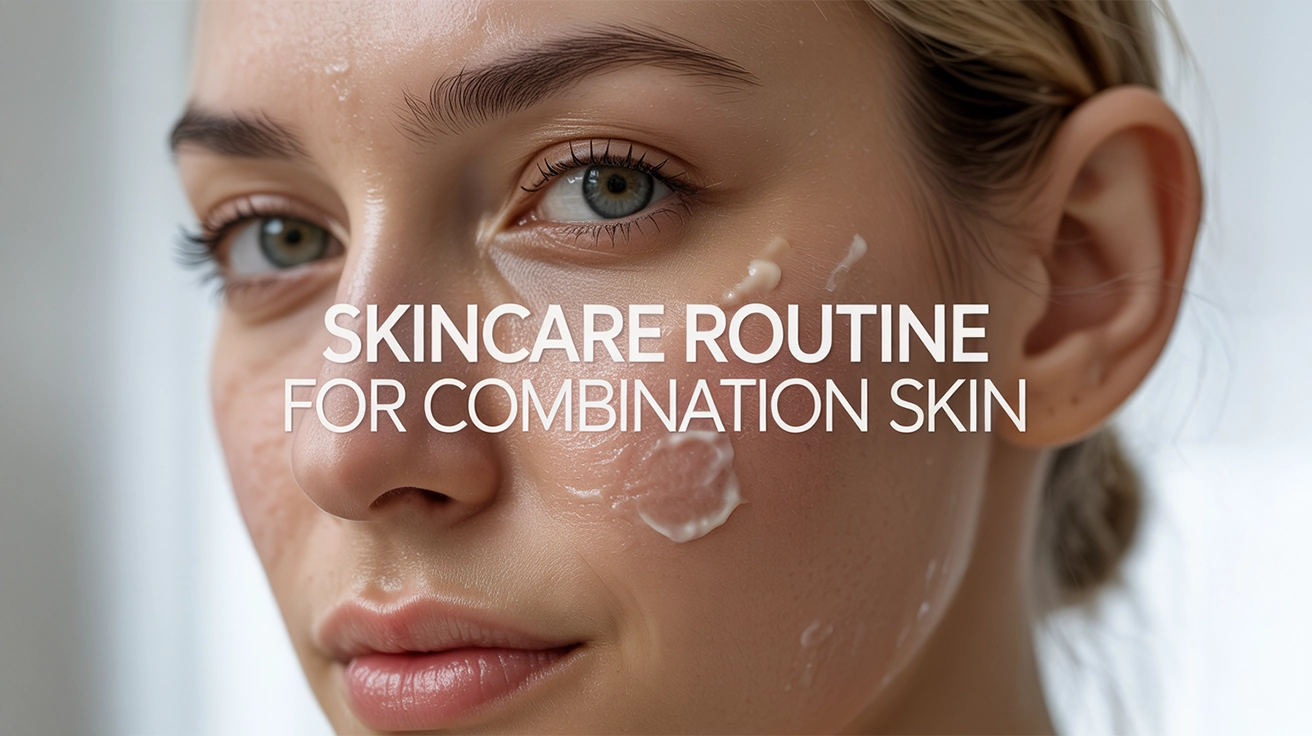
Managing combination skin doesn’t have to be complicated when you understand your unique needs. This comprehensive guide is for anyone dealing with an oily T-zone and drier cheeks who wants a balanced skincare routine for combination skin that actually works.
Your skin requires a smart approach that addresses both oily and dry areas without over-treating either zone. We’ll walk you through the essential morning skincare routine combination skin needs, plus a complete evening protocol that targets your specific concerns. You’ll also discover the key ingredients that help balance combination skin and learn which products to skip entirely.
By the end of this guide, you’ll have a clear roadmap for caring for your combination skin, including proper exfoliation techniques and trusted skincare brands that understand your skin’s dual nature.
The most reliable way to determine if you have combination skin is by examining your T-zone pattern. Your T-zone includes the area above your eyebrows, across your forehead, and down your nose – when traced, it forms the shape of the letter “T.” If your T-zone displays signs of oily skin while your cheeks show characteristics of normal or dry skin, you likely have combination skin.
Signs of an oily T-zone include a glossy or shiny appearance that feels oily to the touch, enlarged pores concentrated in these areas, and a tendency toward blackheads, whiteheads, and regular breakouts. The forehead, nose, and chin are often oilier because there are more oil-producing sebaceous glands in this central facial zone.
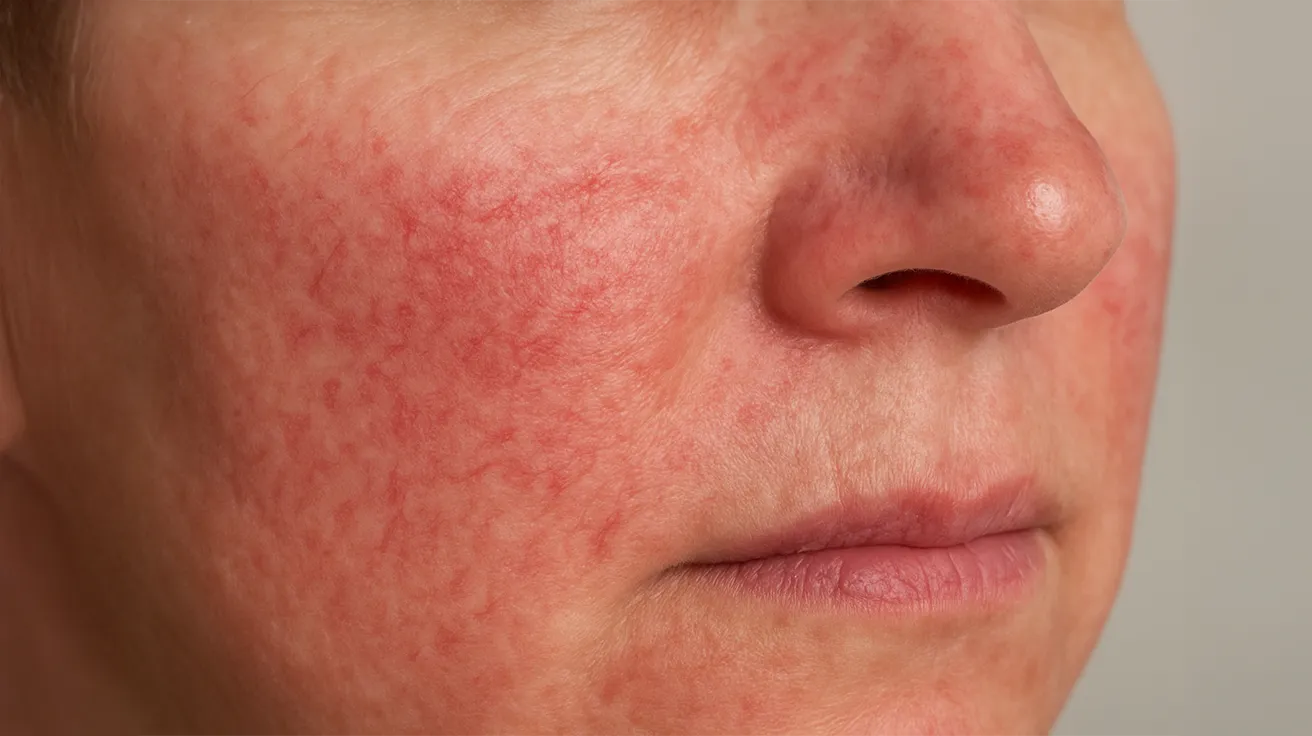
In contrast, the cheek areas in combination skin typically present as normal or dry. These areas may feel tight, appear dull in lighting, or show visible flakes where lack of hydration has caused a buildup of dead skin cells. You might notice larger patches of redness due to irritation in these drier zones.
However, it’s important to note that combination skin doesn’t always follow this classic T-zone pattern. Some individuals may experience different distributions of oily and dry patches across their face, making it essential to feel and observe various areas of your skin carefully.
Combination skin presents unique textural challenges that become apparent both to touch and in the mirror. When examining your skin visually, oily areas will manifest as almost glossy with a noticeable shine that’s easy to spot. These zones may also display blemishes surrounded by redness and enlarged pores that create an uneven skin texture.
Dry areas, conversely, will have larger patches of redness due to irritation and visible flakes of skin where insufficient hydration has led to dead skin cell accumulation. These areas often appear dull and lack the healthy glow of well-moisturized skin.
The textural differences create distinct makeup challenges for those with combination skin. Foundation and other base products may appear patchy, with makeup sliding off oily areas while clinging to or emphasizing the flaky texture of dry patches. You might find that your makeup looks great initially but breaks down differently across your face throughout the day – becoming shiny and streaky in the T-zone while looking cakey or separating on the cheeks.
These mixed symptoms require a balanced approach to both skincare and makeup application, as what works for one area may exacerbate problems in another area of your face.
One of the most effective methods to confirm your skin type is conducting a simple cleanse test. Start by washing your face with your normal cleanser, ensuring you use lukewarm water to avoid irritating your skin. The key is to be gentle during this process to get an accurate reading of your skin’s natural oil production.
After cleansing, allow your skin to air dry completely without applying any products, moisturizers, or treatments. This step is crucial as it allows your skin to return to its natural state without interference from skincare products.
Wait approximately 30 minutes, then examine your skin both visually in the mirror and by gently touching different areas of your face with clean hands. If your skin feels tight and displays flakiness, you have dry skin in those areas. If certain zones immediately become oily and look shiny, those areas indicate oily skin characteristics.
The telltale sign of combination skin is noticing both conditions simultaneously – typically an oily, shiny T-zone alongside areas that feel tight or show signs of dryness. This test is particularly effective because it eliminates variables from your skincare routine and reveals your skin’s natural tendencies.
If you notice areas of both dry and oily skin on your face after this test, especially with the classic oily T-zone and normal-to-dry cheeks pattern, you can confidently identify your skin as combination type.
The foundation of any effective morning skincare routine for combination skin begins with proper cleansing. Your skin accumulates natural oils, dead skin cells, and environmental impurities overnight, making it essential to remove this buildup without disrupting your skin’s protective barrier.
Gentle, non-stripping cleansers are crucial for combination skin because they effectively remove overnight buildup without over-drying the already dry areas or triggering excess oil production in your T-zone. Look for cleansers that contain beneficial ingredients like ceramides, which help maintain and restore the skin barrier, and hyaluronic acid, which helps retain your skin’s natural moisture.
For combination skin with acne concerns, consider cleansers containing salicylic acid, a beta-hydroxy acid that gently exfoliates and helps prevent clogged pores. The CeraVe Renewing SA Cleanser exemplifies this approach, providing gentle exfoliation without harsh microbeads while incorporating three essential ceramides and niacinamide to soften and smooth skin without disrupting the protective barrier.
If your combination skin leans more toward dryness, opt for hydrating cleansers like the La Roche-Posay Toleriane Hydrating Gentle Cleanser, which contains niacinamide, glycerin, and ceramides. This type of cleanser nourishes while cleansing, making it ideal for those with mostly dry patches who need extra hydration.
Oil cleansers can also be excellent for combination skin, as they dissolve makeup and impurities without stripping natural oils. The Laurel Skin Deep Clarity Oil Cleanser contains non-comedogenic oils like sesame, safflower, and sunflower that won’t clog pores while providing gentle, thorough cleansing.
After cleansing, the next crucial step involves applying products that balance your skin’s pH levels and provide targeted treatment. Alcohol-free toners are essential for combination skin as they remove any remaining oil your cleanser missed while preparing your skin for subsequent products.
For oily areas, particularly the T-zone, consider toners with gentle exfoliating properties. The Pixi Glow Tonic contains 5% glycolic acid that dissolves dead skin cells and excess oil, while aloe vera and ginseng soothe and improve circulation. This cult-favorite product helps regulate oil production while brightening the complexion.
If enlarged pores are a concern, the Fenty Skin Fat Water Pore-Refining Toner Serum combines toning and serum benefits in one product. Its niacinamide content helps treat acne and protect against environmental factors, while cactus flower provides healing and moisturizing benefits, and green tea reduces redness and irritation.
Serums are where you can truly customize your routine for combination skin’s unique needs. Hyaluronic acid serums are particularly beneficial as they hydrate without adding greasiness that could aggravate oily areas. For addressing multiple concerns, consider serums like the Skinfix Barrier+ Triple Lipid-Hyaluronate Serum, which contains lipids that support natural fatty acids and peony root extract to improve both excessively dry and oily areas.
If redness is a concern, the Glow Recipe Avocado Ceramide Redness Relief Serum offers a milky texture packed with avocado butter, avocado extract, and five ceramides that reduce redness while locking in moisture. This fragrance-free option is ideal for sensitive combination skin.
The final steps of your morning routine involve locking in hydration and protecting your skin from environmental damage. For combination skin, you may need to adopt different approaches for different areas of your face, or find products that effectively address both oily and dry zones.
Oil-free moisturizers are crucial for combination skin as they provide necessary hydration without contributing to excess oil production in your T-zone. Lightweight, water-based formulas work best for this skin type. Consider gel-based options like the Neutrogena Hydro Boost Gel-Cream, which combines hyaluronic acid and glycerin to provide up to 24 hours of hydration while being noncomedogenic.
For those with more pronounced dry areas, you might benefit from using two different moisturizers – a lightweight formula for oily areas and a more emollient-rich cream for dry patches. However, many combination skin types find success with versatile products like the Youth to the People Superfood Air-Whip Moisture Cream, which contains hyaluronic acid and antioxidant-rich ingredients like kale, spinach, and green tea that work well on both oily and dry areas.
Broad-spectrum sunscreen with at least SPF 30 is non-negotiable for morning routines. The CeraVe Ultra-Light Moisturizing Lotion exemplifies an efficient approach by combining broad-spectrum SPF 30 protection with hydrating ingredients like hyaluronic acid and three essential ceramides, all while leaving a matte finish that works well for combination skin.
Choose lightweight sunscreen formulas that won’t clog pores or feel heavy on your skin. Mineral-based options like zinc oxide provide excellent protection while being gentle on sensitive areas, though some may leave a slight white cast that needs to be blended well.
The foundation of an effective evening skincare routine for combination skin begins with proper cleansing. Double cleansing is particularly beneficial for combination skin as it ensures thorough removal of sunscreen, makeup, and accumulated oils without over-stripping the skin.
Start with an oil-based cleanser to dissolve makeup, sunscreen, and excess sebum. Despite concerns about adding oil to already oily areas, oil-based cleansers work on the principle that “like dissolves like,” effectively breaking down oil-based impurities without disrupting the skin barrier.
Follow with a gentle gel cleanser that contains surfactants but is free of harsh chemicals like sulfates, parabens, and fragrances. Look for formulations that include beneficial ingredients such as salicylic acid for gentle exfoliation, or niacinamide for its anti-inflammatory properties. The cleanser should be mild enough to protect the skin’s natural lipid barrier while effectively removing remaining impurities.
This dual approach ensures that your combination skin is thoroughly cleansed without causing irritation to dry areas or over-stimulating oil production in your T-zone.
Now that we have covered proper cleansing, the next crucial step involves applying targeted treatments to address the varying needs across your face. Combination skin requires a strategic approach where different areas receive customized care.
For oily zones, particularly the T-zone (forehead, nose, and chin), apply treatments containing beta-hydroxy acids like salicylic acid. These ingredients help unclog pores, control excess oil production, and prevent breakouts. Niacinamide is another excellent choice for oily areas as it helps regulate sebum production while providing anti-inflammatory benefits.
For drier areas such as the cheeks and around the eyes, focus on hydrating treatments. Hyaluronic acid serums work exceptionally well here, as they can penetrate each layer of the skin to stimulate moisture retention and collagen synthesis. Look for lightweight, highly concentrated serums that won’t feel heavy on the skin.
Consider incorporating gentle exfoliating treatments 2-3 times per week, but apply them strategically. Alpha-hydroxy acids like glycolic acid or lactic acid can help with cell turnover in drier areas, while salicylic acid works better for oilier zones. Always exercise caution with exfoliation frequency to avoid irritation and enhanced skin sensitivity.
The final step in your evening skincare routine for combination skin involves strategic moisturization that supports overnight repair without causing congestion or dryness.
For combination skin, opt for a lightweight, non-comedogenic moisturizer that contains humectants such as hyaluronic acid, which trap and hold water close to the skin barrier. Look for formulations that include ceramides to help maintain and restore the skin barrier, ensuring optimal moisture levels throughout the night.
Your nighttime moisturizer can be slightly heavier than your daytime formula since you won’t be applying sunscreen on top. Night creams often contain more intensive repair ingredients and don’t need to provide the same lightweight feel required during the day.
Apply moisturizer using gentle upward motions, paying special attention to drier areas while using a lighter hand on oily zones. The key is to provide adequate hydration without overwhelming any particular area of your face.
Consider incorporating products with healing ingredients like arnica montana extract, which has anti-inflammatory properties and helps with skin regeneration, or allantoin, which soothes inflamed and irritated skin patches. These ingredients work synergistically during the overnight repair process to maintain balanced, healthy-looking combination skin.
Hyaluronic acid stands as one of the most crucial combination skin ingredients for achieving balanced hydration without overwhelming oily zones. This wonder hydrator is non-comedogenic, meaning it hydrates without clogging pores, making it ideal for both acne-prone and oily areas as well as dry, flaky patches. Combination skin often overcompensates and produces extra oil due to dehydration, so layering moisturizing ingredients in your skincare routine for combination skin is essential.
Hyaluronic acid is best applied as a serum after cleansing. Apply a couple of drops to damp skin to lock in moisture and boost the skin’s hydration levels. By incorporating this humectant ingredient into your basic routine, you’ll keep combination skin sufficiently hydrated, reducing the risk of sebum overproduction. Unlike heavier moisturizing creams and lotions, hyaluronic acid won’t make skin feel greasy, making it the perfect hydration remedy for unpredictable combination skin.
Peptides serve as another powerhouse ingredient, acting as building blocks for key proteins that the skin needs to stay supple and strong, like collagen and elastin. When used in skincare, they help build up a stronger skin barrier – the skin’s first defense against bacteria, UV rays, pollution, and other toxins that can easily be damaged through lifestyle habits and over-exfoliation. Including peptides in your combination skin care routine helps ease inflammation, repair sensitized skin, and even out skin tone.
Lactic acid emerges as an alpha-hydroxy acid that works exceptionally well on all skin types and is particularly beneficial for combination skin. Because it is ultra-hydrating and a sensitive-skin hero, this ingredient gently removes dead skin cells and impurities without causing irritation. The magic of using lactic acid for combination skin lies in its ability to boost your skin’s natural ability to keep itself moisturized, resulting in more balanced oil production.
This AHA helps improve the skin’s appearance by acting as an exfoliant to buff away dead skin cells and reveal a more youthful appearance. Lactic acid also helps reduce the appearance of dark spots and fine lines and wrinkles. People with combination skin benefit from using products with plenty of lactic acid because this ingredient exfoliates away excess dead skin cell buildup on dry patches and unclogs pores on oily areas, promoting cell turnover to reveal brighter, clearer, and smoother-looking skin.
Bentonite clay offers additional benefits for combination skin by absorbing dirt, oils, and impurities from the skin. This substance contains a healthy balance of minerals, including magnesium, iron, and calcium, making it valuable in various skincare products. People with combination skin benefit from using products with bentonite, as this substance detoxifies and unclogs pores specifically in oily areas while remaining gentle enough for sensitive zones.
With this foundation of hydrating and exfoliating ingredients in mind, antioxidant protection becomes equally important for maintaining balanced combination skin. Superoxide dismutase serves as a protective ingredient that helps the skin barrier ward off free radicals and environmental stressors. It protects the skin from unnecessary damage, soothing it and evening out the complexion.
Combination skin types benefit from using products that include superoxide dismutase because this ingredient adds a layer of protection for sensitized skin by keeping the skin’s natural defenses strong. It also minimizes pimples and blackheads by eliminating impurities from the skin, making it an excellent complement to other best products for combination skin.
Squalane acts as another natural antioxidant, providing lightweight, lasting hydration. This compound is a derivative of squalene, a naturally occurring lipid found in plants. It’s a perfect ingredient for combination skin, as it boosts hydration in rough areas to help rebalance and replenish. Like hyaluronic acid, squalane is also non-comedogenic and will not clog pores. This ingredient is found naturally in the skin but depletes as we age, making it an essential component to add to your daily skincare routine.
Denatured alcohol represents one of the most problematic ingredients for combination skin care routines. While alcohol-containing products promise a mattifying effect and temporary shine control, they actually create a counterproductive cycle that further unbalances combination skin. These formulations strip away the skin’s natural moisture barrier, causing the sebaceous glands to overcompensate by producing even more sebum in oily areas.
This aggressive approach particularly damages the delicate balance that combination skin requires. The alcohol dries out already-dry cheek areas while simultaneously triggering increased oil production in the T-zone, creating more pronounced contrast between different facial zones. Additionally, denatured alcohol causes irritation and inflammation in sensitive dry patches, leading to redness and potential flaking.
Bar soaps containing harsh detergents pose similar challenges for combination skin types. These products often contain sulfates and alkaline ingredients that disrupt the skin’s natural pH balance, stripping away both excess sebum and essential natural oils indiscriminately across all facial areas.
Comedogenic oils present significant challenges for combination skin care routines, particularly in managing the delicate balance between hydration and pore health. Coconut oil stands as a prime example of an ingredient to avoid, as its heavy molecular structure and high comedogenic rating make it too dense for combination skin types. This oil tends to clog pores and lead to imperfections, especially problematic in already oily T-zone areas where pores are naturally more prone to congestion.
The weight and consistency of these heavy oils prevent proper skin breathing and can create an occlusive barrier that traps bacteria and sebum beneath the surface. Instead of providing balanced hydration, comedogenic oils exacerbate the contrast between oily and dry zones by overwhelming the skin’s natural regulatory mechanisms.
Heavy, pore-clogging creams with rich, occlusive formulations similarly disrupt combination skin balance. These products often contain ingredients that sit on the skin’s surface rather than absorbing properly, creating an environment where pores become blocked and breakouts develop, particularly in the forehead, nose, and chin areas.
Over-exfoliation represents a critical mistake in combination skin care routines, particularly when using aggressive physical or chemical exfoliants too frequently. While gentle exfoliation with alpha-hydroxy acids like glycolic acid or lactic acid can benefit combination skin by promoting cell renewal and unclogging pores, excessive use disrupts the skin’s protective barrier and creates inflammation.
When combination skin experiences over-exfoliation, dry areas become increasingly sensitized and irritated, while oily zones respond by producing more sebum as a protective mechanism. This creates a cycle where the skin becomes both more oily and more dry simultaneously, defeating the goal of achieving balance.
Strong essential oils pose additional risks for combination skin types. Concentrated essential oils such as peppermint oil or clove oil can irritate sensitive facial areas, particularly the delicate cheek regions that tend toward dryness. These potent ingredients cause inflammation and redness while potentially triggering reactive sebum production in oily zones.
Fragrance-heavy formulations, whether containing synthetic fragrances or concentrated natural aromatics, frequently trigger sensitivity reactions in combination skin. The varying sensitivity levels across different facial zones mean that fragranced products can cause irritation in some areas while being tolerated in others, creating an uneven skin response that complicates the skincare routine and makes it difficult to achieve the balanced approach that combination skin requires.
For combination skin care tips, chemical exfoliants are far more effective than physical scrubs for facial use. As experts recommend, stick with gentle chemical exfoliants like AHAs and BHAs rather than rough particles that can damage delicate facial skin. Start slowly with exfoliation 2-3 times per week to allow your skin to adjust, then gradually increase frequency based on your skin’s tolerance.
Alpha hydroxy acids (AHAs) like glycolic and lactic acids target signs of aging, hyperpigmentation, and fine lines, making them ideal for the drier areas of combination skin. Beta hydroxy acids (BHAs) like salicylic acid penetrate deep into pores, making them especially effective for the oily T-zone areas prone to acne and blackheads.
Monitor your skin carefully for signs of over-exfoliation, including burning, stinging, redness, flaking, or increased sensitivity. If you experience any of these symptoms, reduce frequency and focus on moisturizing to repair your skin barrier.
With combination skin skincare routine approaches, focus your exfoliation strategy on the oily T-zone (forehead, nose, and chin) while treating drier cheek areas more gently. The T-zone can typically tolerate more frequent exfoliation due to increased oil production and thicker skin in these areas.
Apply BHA products primarily to your T-zone where pores tend to be larger and more congested. Use a salicylic acid cleanser in the morning to help remove oil and debris from pores, keeping this area clear throughout the day. For the drier areas of your face, limit chemical exfoliant use to once or twice weekly to prevent over-drying and irritation.
This targeted approach ensures each area of your combination skin receives appropriate treatment without compromising your skin barrier or causing unnecessary irritation to sensitive zones.
Incorporate weekly mask treatments as part of your combination skin care routine to address specific concerns in different facial zones. Clay masks work exceptionally well for the T-zone, helping to absorb excess oil and clear congested pores that commonly affect combination skin.
For comprehensive pore care, use masks containing BHAs like salicylic acid, which penetrate deep into pores to remove buildup and prevent blackheads. These treatments complement your regular exfoliation routine by providing intensive care once weekly.
Apply hydrating masks to the drier areas of your face during the same session, ensuring balanced treatment across your entire complexion. This dual-mask approach addresses the varying needs of combination skin without over-treating any particular area.
Time your mask treatments strategically – if you’re already using retinol or receiving professional treatments like microdermabrasion, you may need to reduce exfoliation frequency as these encourage natural cell turnover and can increase skin sensitivity.
When it comes to professional-grade skincare brands for combination skin, dermatologists consistently recommend CeraVe and La Roche-Posay for their scientifically-formulated products that address the unique needs of mixed skin types.
CeraVe stands out as a dermatologist-developed brand known for its gentle, effective formulas. Their CeraVe Moisturizing Cream has gained recognition from the National Eczema Association and contains essential ceramides, glycerin, and hyaluronic acid. This deeply nourishing moisturizer works exceptionally well for the drier areas of combination skin while remaining non-comedogenic to prevent clogging pores in oilier zones. The brand’s focus on barrier repair makes it ideal for maintaining skin balance.
La Roche-Posay offers another dermatologist-favorite option with products specifically designed for combination skin types. Their Toleriane Hydrating Gentle Cleanser features niacinamide, glycerin, and ceramides, making it perfect for daily cleansing without stripping natural oils. The brand excels at creating fragrance-free, non-comedogenic formulations that provide balanced hydration and oil control – exactly what combination skin requires.
Both brands prioritize gentle, non-irritating formulas that won’t disrupt the delicate balance needed for combination skin care. Their products undergo rigorous testing and are frequently recommended by dermatologists because they effectively address both oily and dry areas without causing sensitivity or excess oil production.
The Ordinary has revolutionized accessible skincare with its affordable, targeted serums that work exceptionally well for combination skin. This brand focuses on single-ingredient formulations that allow you to customize your routine based on your specific skin concerns.
For combination skin, The Ordinary’s approach of using targeted ingredients proves highly effective. The brand offers concentrated serums at budget-friendly prices, making it possible to address both oily T-zone concerns and dry cheek areas without breaking the bank. Their products contain proven active ingredients like niacinamide, hyaluronic acid, and various acids that help balance combination skin.
The beauty of The Ordinary lies in its multi-purpose ingredients, which can help reduce the cost of buying multiple products. For example, their niacinamide serums work to regulate oil production in the T-zone while simultaneously providing hydration to drier areas. This dual-action approach makes them particularly suitable for combination skin types.
The brand’s straightforward labeling and ingredient transparency make it easy to understand what you’re putting on your skin. Each product targets specific concerns, allowing you to build a customized routine that addresses your unique combination of oily and dry areas effectively and affordably.
Asian skincare brands have gained significant popularity for their innovative formulations and effective solutions for combination skin. COSRX and Skin1004 represent two standout options that specifically cater to the complex needs of combination skin types.
COSRX has built a reputation for creating gentle yet effective products that work well across different skin concerns. Their formulations often incorporate ingredients like snail secretion filtrate, BHA, and centella asiatica, which help balance oil production while providing adequate hydration to drier areas. The brand’s philosophy of using minimal, effective ingredients resonates well with combination skin needs, as it reduces the risk of irritation while targeting specific concerns.
Skin1004 offers another excellent option within the Asian skincare market, focusing on natural ingredients and gentle formulations. Their products often feature centella asiatica and other soothing botanicals that help calm both oily and dry areas of combination skin without causing imbalance.
Both brands excel at creating lightweight, fast-absorbing formulas that don’t feel heavy on oily areas while still providing necessary moisture to drier zones. Asian skincare’s emphasis on hydration and barrier repair makes these brands particularly suitable for maintaining the delicate balance required by combination skin types.
Managing combination skin successfully comes down to understanding your skin’s unique needs and finding the right balance between hydration and oil control. By following a consistent morning and evening routine with gentle, non-comedogenic products, incorporating key ingredients like hyaluronic acid and niacinamide, and avoiding harsh or overly heavy formulations, you can achieve healthier, more balanced skin. Remember to exfoliate gently and adjust your approach based on how different areas of your face respond to various treatments.
The journey to finding your perfect skincare routine may take some time and experimentation, but the results are worth it. Start with basic, proven products from trusted brands like CeraVe, The Ordinary, or La Roche-Posay, and gradually introduce new treatments as your skin adjusts. Most importantly, be patient with your skin and consider consulting with a dermatologist for personalized advice, especially if you’re dealing with persistent concerns. With the right approach and consistency, combination skin can be beautifully balanced and healthy.

She is a passionate skincare specialist with years of experience helping people uncover their best skin. As the founder of this blog, she blends science-backed advice with practical, everyday tips to make glowing skin accessible to all.