Your Ultimate Guide to Healthy, Glowing Skin – Expert Tips, Honest Reviews & Skincare Secrets!

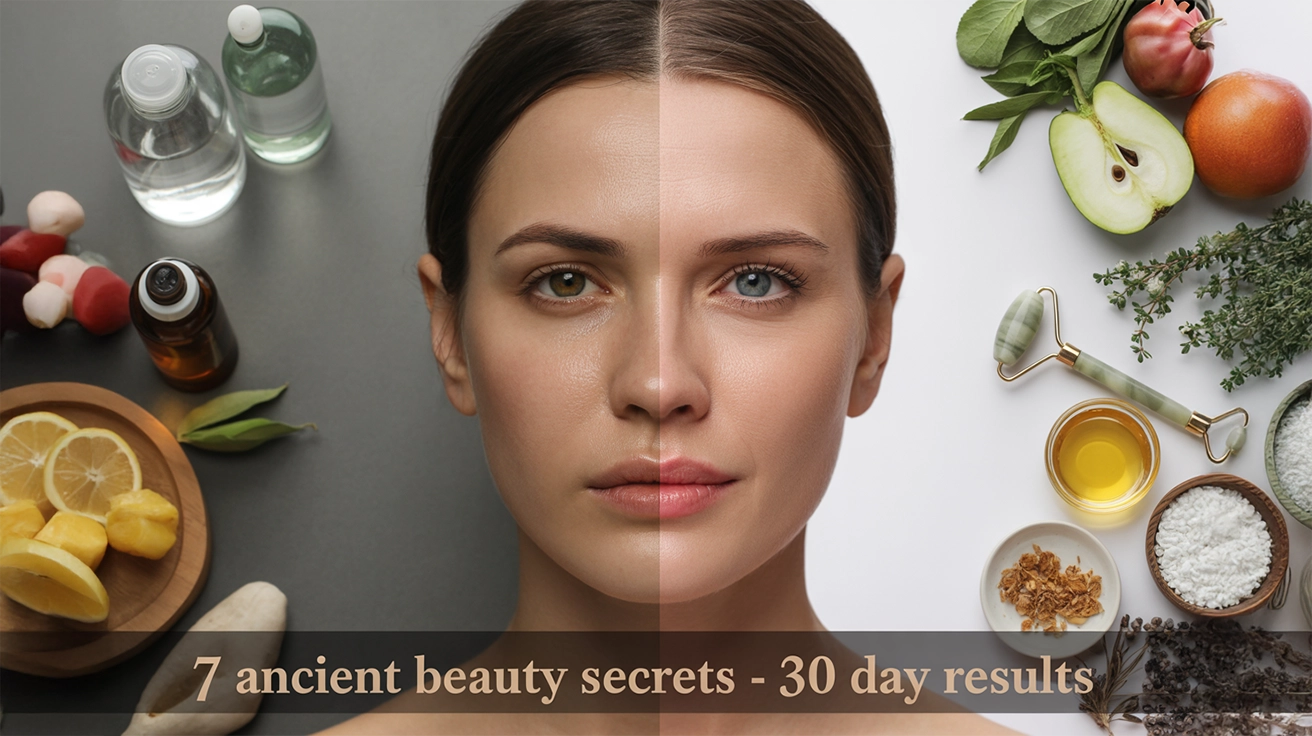
Your skin tells your story every day—but what if you could rewrite that story using wisdom passed down for thousands of years?
I spent 30 days testing seven ancient beauty secrets that promise flawless skin, and the transformation completely changed how I think about my skincare routine. These aren’t trendy hacks or expensive treatments—they’re time-tested practices our ancestors used to achieve naturally radiant skin without a single chemical.
This comprehensive guide is for you if you’re tired of complicated routines that don’t deliver results, frustrated with harsh products that irritate your skin, or curious about natural skincare remedies that actually work. You’ll discover how to get glowing skin naturally using methods that have helped women maintain healthy skin habits for centuries.
I’ll walk you through exactly how to hydrate your skin from within and create an essential skincare routine that works. You’ll also learn which skin-nourishing foods fuel your glow and why beauty sleep for skin repair isn’t just a myth—it’s science. Plus, I’ll share the natural remedies and stress management techniques that gave me the clearest, most balanced skin I’ve had in years.
Get ready to unlock your skin’s natural radiance using secrets that have stood the test of time.
Your skin’s hydration begins from within, and drinking adequate water throughout the day forms the foundation of achieving that natural, radiant glow. When you consume 8-10 glasses of water daily, you’re supporting your skin’s ability to maintain proper moisture levels and flush out toxins that can contribute to dullness and breakouts.
Understanding the difference between hydration and moisturization is crucial for your skincare journey. Hydration refers to the water levels within your skin and the process of replenishing its moisture from the inside out. When your skin becomes dehydrated and lacks water, your skin barrier’s effectiveness weakens significantly. Without enough water, this protective barrier struggles to maintain proper moisture levels, disrupting the natural processes that keep your skin plump and smooth.
Your skin barrier consists of humectants and lipids working together in harmony. Humectants bond to water molecules, while lipids help trap them so they remain in your skin longer. When you drink sufficient water, you’re providing the raw material your skin needs to function optimally. This internal hydration helps your skin look visibly smoother and softer with increased elasticity, while also reducing the appearance of fine lines and wrinkles.
Dehydrated skin affects all skin types, even if you have combination or oily skin. You might notice signs like skin feeling tight, fine lines appearing near your eyes or cheeks, or a general dullness to your complexion. A simple test involves pinching your skin and observing how quickly it returns to its original position – if it’s slow to bounce back, your moisture levels may be low.
Now that you understand the importance of internal hydration, diversifying your fluid intake can provide additional benefits for your skin. Coconut water serves as an excellent alternative to plain water, offering natural electrolytes that help your body maintain optimal hydration levels more effectively than water alone.
Herbal teas contribute to your daily fluid intake while providing antioxidants that support your skin’s health from within. Unlike coffee or alcohol, which can contribute to dehydration, herbal teas like chamomile, green tea, or rooibos actively support your hydration goals while delivering compounds that may help protect your skin from environmental stressors.
Fresh juices, particularly those rich in vitamins and minerals, can complement your water intake. However, focus on vegetable-based juices or diluted fruit juices to avoid excessive sugar, which can potentially contribute to skin issues. The key is variety – by incorporating these different hydrating beverages, you’re more likely to meet your daily fluid requirements consistently.
Remember that lifestyle factors significantly impact your skin’s hydration. Getting enough sleep, limiting coffee and alcohol consumption, and maintaining consistent hydration habits all work together to support your skin’s natural moisture retention capabilities.
While internal hydration forms the foundation, external hydration through facial mists provides immediate moisture replenishment throughout your day. Hydrating facial mists work by delivering water directly to your skin’s surface, offering a quick refresh that can help maintain your skin’s moisture levels between your morning and evening skincare routines.
The effectiveness of facial mists lies in their ability to provide instant hydration when your skin feels tight or appears dull during the day. Environmental factors like changing weather, pollution, air conditioning, or heating can continuously draw moisture from your skin, making supplemental hydration necessary.
When selecting facial mists, look for formulations that contain humectants like glycerin or hyaluronic acid. These ingredients help draw moisture into your skin and maintain it there longer. Glycerin’s small molecular size allows it to penetrate deeper into your skin than larger molecules, while hyaluronic acid – naturally found within your skin – helps improve hydration and makes your skin appear plumper.
Apply facial mists by holding the bottle 6-8 inches from your face and spritzing lightly across your entire complexion. You can use them over makeup or on clean skin, making them versatile tools for maintaining hydration throughout your day. For maximum benefit, follow up with a lightweight moisturizer to seal in the hydration provided by the mist.
With this comprehensive approach to hydration – combining adequate water intake, diverse hydrating beverages, and topical moisture support through facial mists – you’re creating the optimal environment for achieving that coveted healthy skin glow that comes from proper hydration habits.
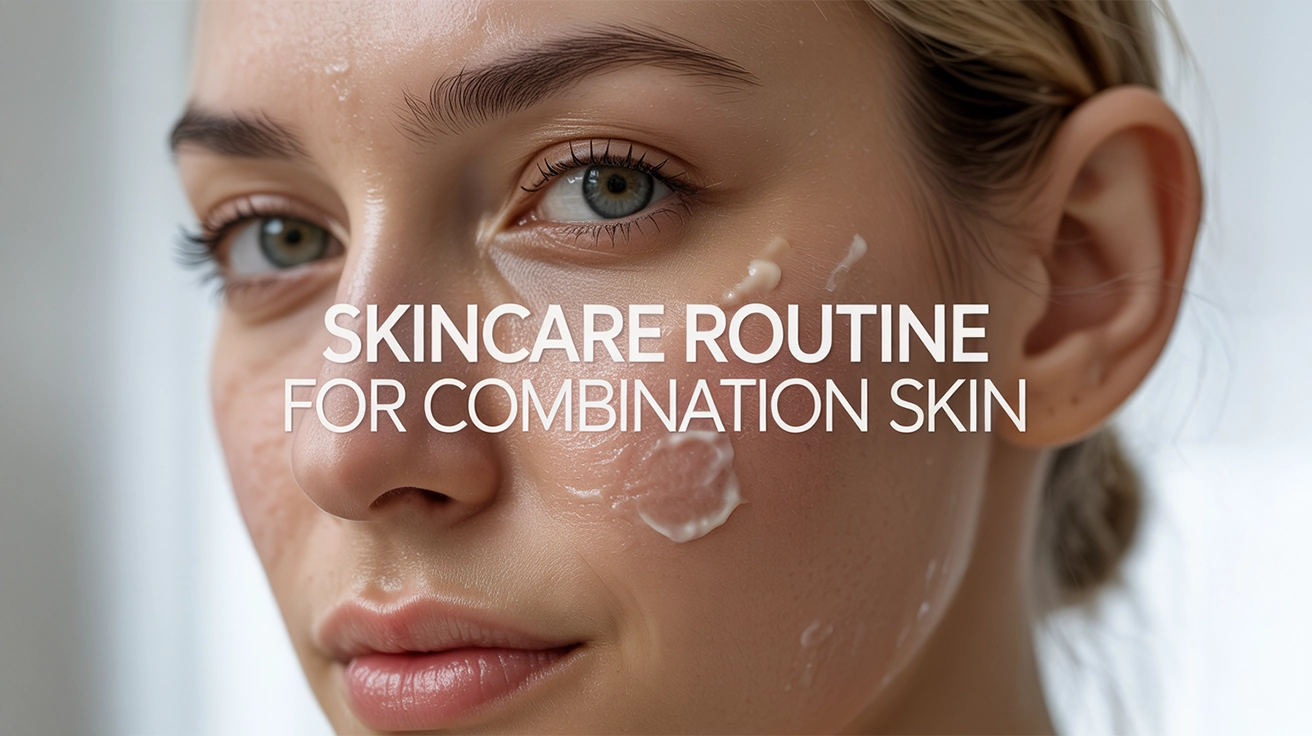
Now that we’ve covered hydration, your cleansing routine forms the foundation of radiant skin. Your morning cleanser serves to prepare and protect your skin for the day ahead, while your evening routine focuses on washing away accumulated dirt, makeup, and environmental pollutants.
Start your morning with a gentle, nonmedicated cleanser that will clean your skin without leaving it too dry. Use lukewarm water and gently massage the face wash onto your skin – never scrub harshly. Pat your skin dry with a clean towel rather than rubbing, which can cause irritation and premature aging. If you’re prone to dry skin, look for cleansers containing hyaluronic acid to help maintain your skin’s natural moisture barrier.
For your evening routine, you’ll want to remove makeup first, as most cleansers won’t eliminate all cosmetic residue. Use makeup-removing wipes (choose fragrance-free varieties), micellar water, or cleansing balms before your regular cleanser. Follow this with a gentle cleanser suited to your specific skin type. If you have acne-prone skin, consider a face wash containing salicylic acid or benzoyl peroxide. Those in their 30s or 40s might benefit from cleansers with alpha hydroxy acids like glycolic acid to brighten skin and reduce pigmentation.
If your skin tends toward oiliness, double cleansing in the evening can be particularly beneficial. Start with an oil-based cleanser to dissolve natural skin oils and break down makeup, then follow with a water-based cleanser to remove any remaining residue. Choose cleansers with neutral pH levels, as they’re less likely to irritate your skin and help maintain your skin’s natural protective barrier.
With proper cleansing established, exfoliation becomes your key to maintaining smooth, glowing skin naturally. This process removes dead skin cells from your skin’s surface while clearing clogged pores and promoting healthy cell renewal.
You can choose between physical and chemical exfoliation methods. Physical exfoliators work mechanically to slough off dead cells, but avoid those containing coarse ingredients like rough sugar or salt if you have sensitive skin, as they can cause irritation. Chemical exfoliators use acids to dissolve dead skin cells and can penetrate deeper into your pores.
For beginners, glycolic acid offers an excellent starting point for chemical exfoliation. More advanced options include salicylic acid for acne-prone skin and hyaluronic acid for added moisture. Start using acid treatments once per week, gradually building up to every other night as your skin adapts. Always perform a patch test at least 24 hours before first use.
Apply chemical exfoliants after cleansing by adding a few drops to a cotton pad and sweeping across your face, avoiding the delicate eye area. Wait about 30 seconds before applying your next product to allow proper absorption.
Clay masks also provide excellent exfoliation benefits while unclogging pores and absorbing excess oil. Use these once or twice weekly, applying to your entire face or targeting specific problem areas. Leave the mask on for the recommended time before rinsing with warm water.
Previously, I’ve emphasized how proper moisturizing protects your skin barrier and prevents various skin issues. Your daytime moisturizer should be lightweight enough to wear comfortably under sunscreen and makeup while providing adequate hydration for environmental protection.
Choose your moisturizer based on your skin type: if you have dry skin, opt for creams or balms with richer textures. Normal or combination skin works best with medium-weight creams, while oily skin types should look for lightweight fluids and gel formulations. Effective ingredients to seek include glycerine, ceramides, antioxidants, and peptides.
Apply your morning moisturizer using clean hands, taking a slightly larger than pea-sized amount and warming it between your palms. Use upward strokes, starting with your cheeks before moving to the rest of your face. This technique helps prevent tugging on your skin and promotes better absorption.
Your nighttime moisturizer can be significantly richer, as this is when your skin undergoes its natural repair processes. Night creams typically contain higher concentrations of active ingredients and focus on cellular renewal rather than protection. Look for formulas containing vitamin A derivatives like retinol, tretinoin, or bakuchiol, which help build new collagen and rejuvenate your skin overnight.
If your night treatment causes any dryness, layer a moisturizer containing ceramides or hyaluronic acid on top to seal in hydration. Apply these products to clean skin, allowing each layer to absorb before adding the next.
With this foundation in mind, sunscreen becomes your most crucial step for maintaining healthy skin habits and preventing premature aging. Daily sun protection shields your skin from harmful ultraviolet radiation that can cause dark spots, wrinkles, and increase your risk of skin cancer.
Choose a broad-spectrum sunscreen with at least SPF 30 that protects against both UVA and UVB rays. Look for formulations containing physical blockers like zinc oxide, titanium dioxide, or iron oxide, which provide excellent protection without causing irritation.
Apply sunscreen liberally across your entire face and massage it in thoroughly. This step should always come last in your morning routine – never apply other skincare products over sunscreen, as this can dilute its effectiveness. Make sure to apply your sunscreen 15 to 30 minutes before going outside to allow proper absorption and activation.
Reapply sunscreen every two hours when spending extended time outdoors, and remember that sun protection works best when combined with other protective measures like wearing hats and seeking shade during peak UV hours.
Some face oils may interfere with sunscreen effectiveness, so if you use facial oils in your morning routine, allow them to fully absorb before applying your SPF. This ensures your sun protection remains at full strength throughout the day.
Your skin needs vitamin C to create collagen, which is the main structural protein that keeps your skin strong and healthy. When you consistently consume vitamin C-rich foods, you’re giving your skin the essential building blocks it needs to maintain its structure and firmness.
Vitamin C also functions as a powerful antioxidant that helps protect your skin from oxidative damage caused by the sun and environmental factors, which can lead to premature signs of aging. By incorporating foods like berries, oranges, and other citrus fruits into your daily routine, you’re actively supporting your skin’s natural repair processes.
Bell peppers deserve special attention in your vitamin C arsenal – one cup of chopped red bell pepper contains an impressive 156% of the daily value for vitamin A, and they’re also one of the best sources of vitamin C available. Broccoli is another powerhouse vegetable full of vitamins and minerals important for skin health, including zinc, vitamin A, and vitamin C.
Healthy fats benefit many functions in your body, including the health of your skin. When you include avocados in your diet, you’re providing your skin with essential nutrients that support elasticity and firmness. A 2022 pilot study found that healthy women who consumed one avocado daily for 8 weeks experienced enhanced elasticity and firmness of their facial skin.
Avocados are also an excellent source of vitamin E, an important antioxidant that helps protect your skin from oxidative damage. Most Americans don’t get enough vitamin E through their diet, making avocados an especially valuable addition to your skincare nutrition plan.
Walnuts have many characteristics that make them excellent for healthy skin. They’re a good source of essential fatty acids – fats that your body cannot make itself. The ALA omega-3 fats, magnesium, and amino acid arginine found in walnuts may help decrease inflammation in your body, including your skin. In general, nuts and seeds are excellent sources of skin-boosting nutrients.
When you pair carotenoid-rich foods like tomatoes with a source of fat such as olive oil, you increase your absorption of these beneficial compounds, maximizing their skin-protective benefits.
Green tea can help protect your skin from damage and aging through powerful compounds called catechins that work to improve your skin health in several ways. Like other antioxidant-containing foods, green tea helps protect your skin against sun damage. However, you should avoid drinking your tea with milk, as there’s evidence that milk could reduce the effect of green tea’s antioxidants.
Dark chocolate offers phenomenal effects on your skin when consumed regularly. After 6-12 weeks of consuming cocoa powder high in antioxidants each day, study participants experienced thicker, more hydrated skin that was less rough and scaly, less sensitive to sunburn, and had better blood flow – bringing more nutrients to the skin.
Research shows that eating 20 grams of high-antioxidant dark chocolate per day could allow your skin to withstand over twice as much UV radiation before burning, compared with eating low-antioxidant chocolate. Make sure you choose dark chocolate with at least 70% cocoa to maximize the benefits and keep added sugar to a minimum.
Red grapes contain resveratrol, a compound from the grapes’ skin that’s credited with reducing the effects of aging. Test-tube studies suggest it may help slow the production of harmful free radicals, which damage skin cells and cause signs of aging.
While the reference content emphasizes the importance of including beneficial foods in your diet, it also makes clear that an unhealthy diet can damage your metabolism, cause weight gain, and even damage organs. What you eat significantly affects your skin health, and avoiding foods that can compromise your skin’s clarity and radiance is just as important as including beneficial ones.
Your skin reflects your overall health, and when you fuel your body with nutrient-dense, antioxidant-rich foods while avoiding processed options, you’re creating the optimal internal environment for achieving that natural, radiant glow you’re seeking.
Now that we’ve explored how nutrition fuels your skin from within, it’s time to discover why your nighttime hours are absolutely crucial for achieving that coveted flawless skin. During sleep, your body activates powerful regeneration and repair programs that are vital to keeping your skin looking healthy and youthful.
Your skin follows a natural 24-hour cycle, with peak repair time occurring between 9pm and midnight. This is when cell mitosis – the process of cell division that renews and repairs your skin – reaches its maximum activity. During these precious hours, your skin cell turnover increases dramatically, sometimes more than doubling, which expedites repair from daytime damage caused by free radicals, UV exposure, and environmental stressors.
Adults need 7-9 hours of quality sleep each night to function at their fullest potential. While you might think you can “get by” on 5-6 hours, this actually leads to chronic sleep deprivation that directly impacts your appearance. Sleep deprivation causes several unwanted effects on your skin, including paler complexion, increased wrinkles and fine lines, red or swollen eyes, and those telltale dark circles that signal fatigue to everyone around you.
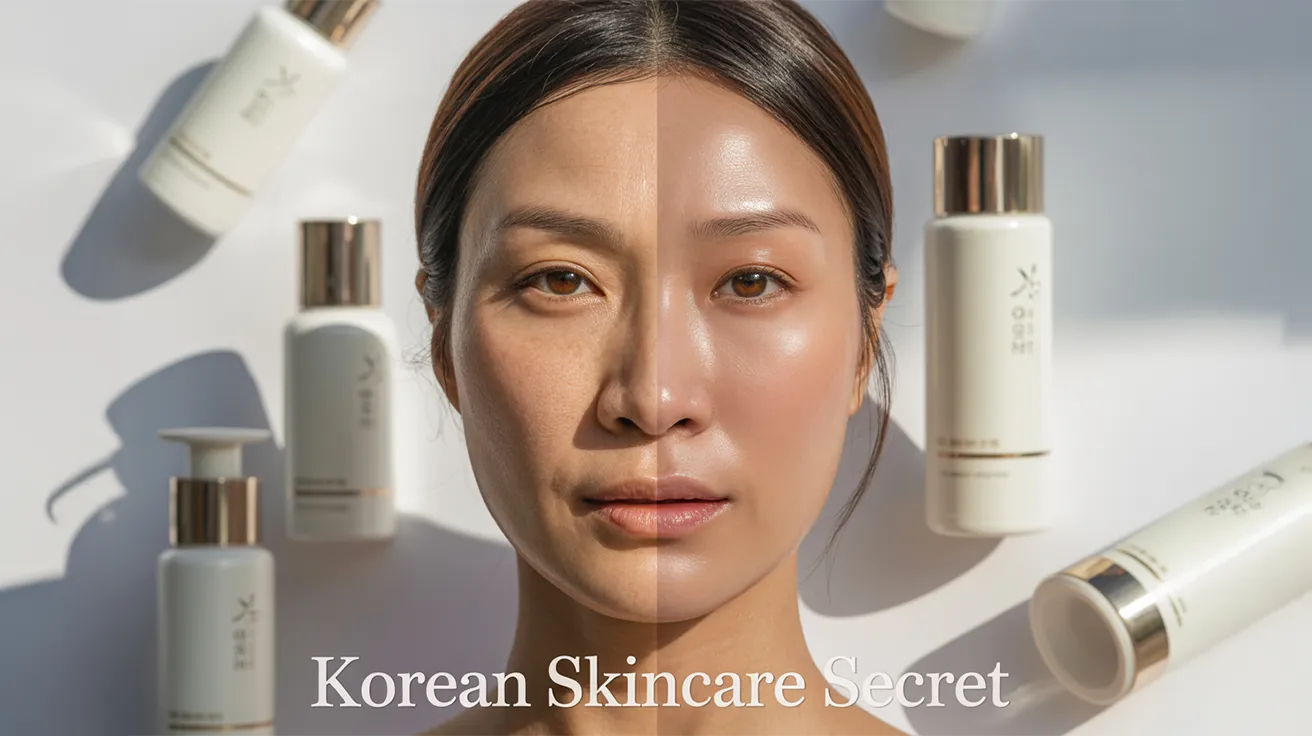
The science behind beauty sleep is fascinating. When you don’t get sufficient rest, your immune system weakens, which impacts the amount and strength of collagen produced. Since collagen is one of the key proteins that keeps your skin elastic and flexible, insufficient sleep can accelerate the formation of wrinkles. Research on Korean women in their 40s found that these aging changes occurred after just one day of sleep deprivation, with skin elasticity significantly decreasing.
During your beauty sleep hours, your skin experiences increased blood flow, delivering essential nutrients and energy that help you wake up with a healthy, glowing complexion. Your body also releases more melatonin at night, which not only ensures healthy sleep but provides antioxidative effects that help repair skin damage and positively influence the cellular aging process.
Previously, I’ve mentioned how sleep position and environment affect your skin quality, and your choice of pillowcase plays a surprisingly significant role in maintaining your complexion. Silk pillowcases offer multiple benefits for your skin health that can enhance the regenerative effects of your beauty sleep.
The smooth surface of silk creates less friction against your skin compared to cotton or other materials, which helps prevent the formation of sleep lines and wrinkles that can develop from pressing your face against rougher textures night after night. This reduced friction is particularly beneficial for preventing irritation if you have sensitive skin or conditions like acne, as it minimizes the mechanical stress placed on your facial skin during sleep.
Silk’s natural properties also help maintain your skin’s moisture balance throughout the night. While your skin naturally loses moisture during sleep due to decreased sebum production and slightly elevated skin temperature, silk doesn’t absorb moisture from your skin the way cotton does. This helps preserve the hydration levels you’ve worked to maintain through your nighttime skincare routine.
With this understanding of your skin’s nighttime repair cycle in mind, applying targeted night serums becomes a crucial step in maximizing your beauty sleep benefits. Your skin is most receptive to active ingredients during nighttime hours when it’s in repair and regeneration mode, making this the optimal time to deliver powerful skincare ingredients.
Night serums should complement your skin’s natural renewal process by providing intense nourishment and active ingredients that work synergistically with your body’s repair mechanisms. Look for serums containing ingredients like Q10, which is identical to the coenzyme naturally found in your skin and responsible for giving your cells the energy needed to produce collagen.
During sleep, your skin becomes slightly more acidic and loses protective sebum, making it more susceptible to moisture loss. This is why night serums are typically more concentrated and moisturizing than their daytime counterparts. They don’t need to include sun protection factors, allowing them to focus entirely on repair and regeneration functions.
Apply your night serum after cleansing but before your night moisturizer, allowing each product to absorb fully. This layered approach ensures maximum penetration of active ingredients during your skin’s most receptive hours, supporting the natural repair processes that occur during your beauty sleep and helping you wake up with noticeably improved skin texture and radiance.
Now that we’ve explored how proper nutrition fuels your radiant skin, let’s delve into how exercise can naturally enhance your glow. Yoga stands as one of the most effective practices for achieving healthy, beautiful skin through stress reduction and improved circulation. When you practice yoga regularly, you’re directly addressing one of skin’s biggest enemies: chronic stress.
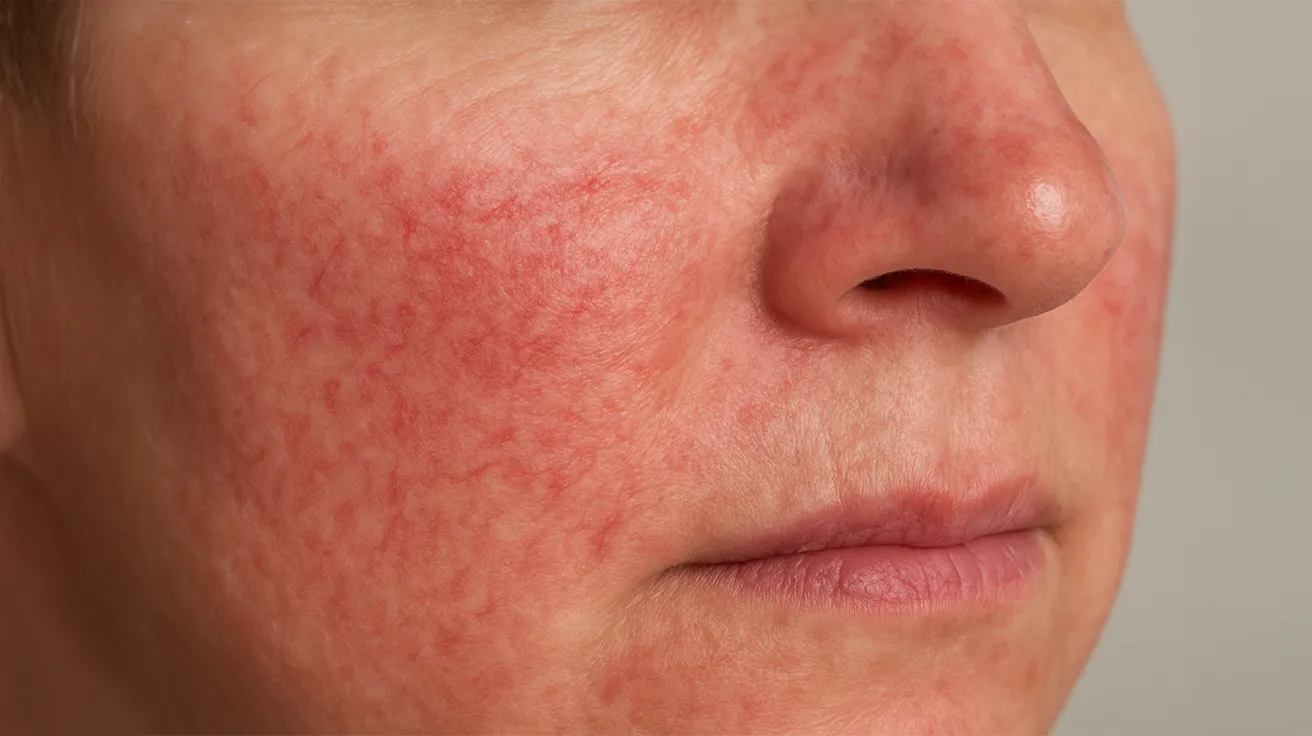
Your stress hormone cortisol wreaks havoc on your complexion, contributing to acne, eczema, and rosacea flareups. Yoga counters this by promoting the release of endorphins—those feel-good hormones that naturally decrease anxiety and stress levels. As your cortisol levels drop, your immune system functions more effectively, allowing it to combat skin damage and maintain your body’s overall health.
The physical postures in yoga also work wonders for your circulation. As you move through various poses, your heart rate increases and blood flow improves throughout your entire body. This enhanced circulation is crucial for delivering oxygen and nutrients directly to your skin cells. The increased oxygen accelerates your skin’s wound-healing process and aids in cell regeneration, giving you that coveted healthy glow from within.
Previously, I’ve mentioned how circulation impacts your skin health, and cardio exercises take this benefit to the next level. When you engage in running, dancing, or other aerobic activities, your heart beats faster and blood flow increases dramatically throughout your body. This surge in circulation ensures that oxygen and essential nutrients reach every layer of your skin.
The enhanced blood flow from cardio workouts serves multiple purposes for your complexion. It nourishes your skin cells with fresh oxygen while simultaneously helping to flush out toxins that can lead to inflammation, acne, and premature aging signs. These toxins—from pollution, UV exposure, and dietary factors—get efficiently removed through increased blood flow and lymphatic drainage during your workout sessions.
Research shows that as little as thirty minutes of aerobic activity can help you look younger by supporting your skin’s natural repair mechanisms. The compound effects of decreased stress levels, improved oxygenation, and better sleep regulation all contribute to maintaining smooth, wrinkle-free skin that radiates natural beauty.
With this understanding of exercise’s skin benefits in mind, let’s explore a targeted approach: face yoga. This specialized practice focuses on toning your facial muscles while improving skin elasticity through increased blood flow to your face and neck area. When you perform facial exercises, you’re essentially giving your complexion a targeted workout that enhances circulation in these delicate areas.
The improved blood flow from face yoga delivers fresh oxygen and nutrients directly to your facial skin cells, promoting that natural, healthy glow. The gentle movements help maintain muscle tone beneath your skin, which can contribute to a more youthful appearance over time. This practice works synergistically with your overall exercise routine to maximize the skin benefits you’re seeking.
Many people mistakenly believe that sweating harms your skin, but when managed properly, perspiration serves as natural detoxification for clearer pores. During exercise, your increased blood flow and lymphatic drainage work together to remove toxins from your body, preventing further skin damage and promoting clarity.
However, to maximize these benefits while protecting your skin, you need to take proper precautions. Skip makeup during workouts since foundation mixed with sweat creates a pore-clogging combination that can lead to breakouts. Choose moisture-wicking workout clothes that absorb sweat and dry quickly, preventing perspiration from sitting on your skin.
After sweating, cleanse your skin promptly to prevent sweat from mixing with body oils and creating a film that clogs pores. A quick shower or gentle facial cleanser removes excess sweat and oils, allowing you to enjoy all the detoxifying benefits without the potential drawbacks. This simple post-workout routine ensures that your natural detoxification process contributes to clearer, healthier-looking skin.
Your stress levels directly impact your skin’s health, and developing a consistent meditation and deep breathing practice can be one of your most powerful tools for achieving clear, balanced skin. When you experience stress, your brain secretes hormones that trigger the release of cortisol, a stress hormone that your skin has receptors for. This activation results in increased inflammation, impaired wound healing, more oil and sebum production, and reduced resistance to infection.
Regular meditation has been shown to lower overall catecholamine levels in your body – these are the key hormones involved in your fight-or-flight stress response. When you practice meditation consistently, you’re essentially rewiring your stress response system, which directly benefits your skin’s appearance and health. Research demonstrates that meditation and relaxation techniques can help improve conditions like psoriasis, and while more studies are needed for other skin conditions, the evidence strongly suggests similar benefits for overall skin wellness.
Start with just 10-15 minutes of daily meditation, focusing on slow, deep breathing exercises. These techniques activate your parasympathetic nervous system, counteracting the stress hormones that can wreak havoc on your skin. You can practice simple breathing exercises anywhere – breathe in for four counts, hold for four, then exhale for six counts. This pattern helps regulate your stress response and promotes the relaxation necessary for optimal skin health.
Now that you understand how stress directly affects your skin through hormonal pathways, incorporating relaxing hobbies into your routine becomes crucial for maintaining that coveted flawless skin. When you’re under stress, you tend to stray away from healthy habits – you might sleep less, eat poorly, skip exercise, or neglect your skincare routine. All these stress-induced behaviors can negatively impact your skin’s appearance and health.
Engaging in activities like reading, painting, or listening to music serves as a buffer against these stress-induced skin problems. These hobbies help you maintain a sense of normalcy and self-care even during challenging times. When you’re absorbed in a creative activity or lost in a good book, your cortisol levels naturally decrease, reducing the inflammatory responses that can trigger acne flares, eczema outbreaks, or psoriasis episodes.
The key is consistency – make these activities a regular part of your routine rather than something you only turn to during crisis moments. Whether it’s painting for 30 minutes after work, reading before bed, or playing an instrument on weekends, these activities help regulate your stress hormones and maintain the healthy habits that support radiant skin naturally.
Your skin is constantly exposed to environmental stressors, making it more susceptible than any other organ to external pressures. However, spending time in nature can help counteract these effects and support your journey toward glowing skin naturally. The research shows that environmental factors can trigger stress responses in your skin, which then send signals back to your brain, creating a perpetual stress cycle that affects your overall skin wellness.
When you spend time outdoors in natural settings, you’re breaking this cycle by providing your body with positive environmental input rather than stressors. Nature exposure has been linked to reduced cortisol levels and improved stress management, which directly translates to better skin health. The fresh air, natural light (in appropriate amounts), and peaceful environments help reset your stress response system.
However, be mindful of protecting your skin while enjoying nature. The reference material emphasizes the importance of using sunscreen whenever you go outside, as UV exposure can actually trigger stress hormone production in your skin. Plan activities like hiking, gardening, or simply sitting in a park, but always maintain your healthy skin habits by applying appropriate sun protection.
Previously, we’ve discussed how stress creates a bidirectional pathway between your brain and skin, with stress hormones causing inflammation and other skin problems. Regular massage therapy addresses this connection by physically promoting relaxation while improving circulation to your skin. When you receive a massage, you’re directly counteracting the tension and stress that contribute to skin conditions like acne, eczema, and psoriasis.
Massage therapy helps improve blood flow to your skin, delivering essential nutrients and oxygen while helping remove waste products that can contribute to skin problems. This improved circulation supports your skin’s natural repair processes, which can be impaired when you’re under chronic stress. Additionally, the relaxation response triggered by massage helps lower cortisol levels and reduce the inflammatory factors that can exacerbate various skin conditions.
You don’t need expensive spa treatments to gain these benefits. Even self-massage techniques using gentle, upward strokes on your face and body can help improve circulation and promote relaxation. The key is making massage a regular part of your stress management routine rather than an occasional luxury. Consider it an investment in both your mental health and your skin care goals – when you manage stress effectively through techniques like massage, you’re addressing one of the root causes of many skin problems while supporting your body’s natural healing processes.
Now that we’ve explored the importance of managing stress for clear skin, let’s dive into the ancient practice of using natural remedies and oils to achieve a chemical-free glow. One of the most powerful combinations you can create at home is a honey and turmeric face mask, which has been used for centuries to brighten and rejuvenate skin naturally.
Turmeric contains powerful antioxidants and anti-inflammatory properties that can help reduce skin damage and promote a more even skin tone. When combined with honey’s natural antibacterial and moisturizing benefits, this mask becomes a potent treatment for achieving radiant skin. To create this brightening mask, simply mix one teaspoon of turmeric powder with two tablespoons of raw honey until you achieve a smooth paste. Apply the mixture evenly to clean skin, avoiding the delicate eye area, and leave it on for 15-20 minutes before rinsing with warm water.
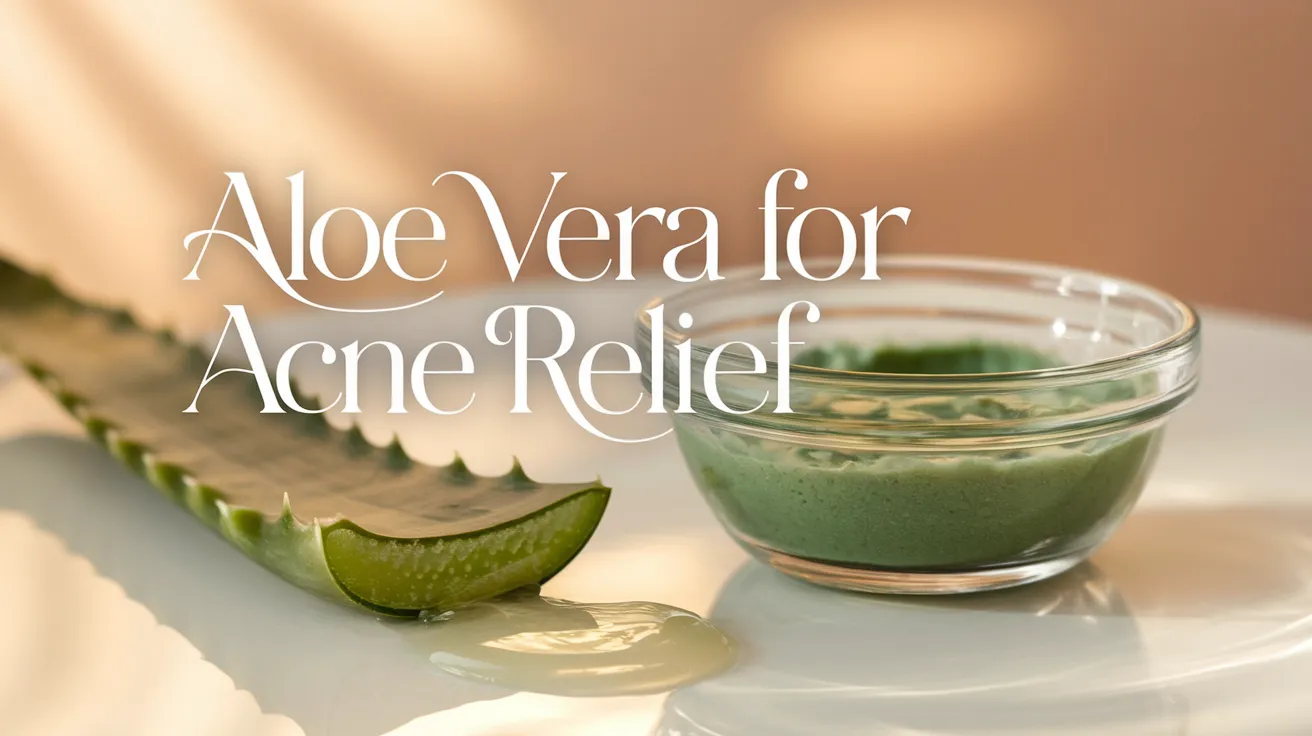
Moving forward with natural skincare remedies, aloe vera paired with rose water creates an incredibly soothing and refreshing treatment for your skin. This combination works particularly well for those with sensitive or irritated skin, as both ingredients offer gentle healing properties without harsh chemicals.
Aloe vera contains vitamins A, D, E, and K, along with natural compounds that help calm inflammation and provide deep hydration. Rose water acts as a natural toner, helping to balance your skin’s pH while providing additional moisture. To create this refreshing treatment, mix equal parts pure aloe vera gel with rose water in a spray bottle. You can use this mixture as a daily toner after cleansing, or apply it with a cotton pad for a more targeted treatment.
With centuries of experience showing their safety and effectiveness, natural oils have become essential components of healthy skin habits. Each oil offers unique benefits that can address different skin concerns while providing chemical-free nourishment.
Coconut oil is easily absorbed into the skin and contains vitamins E and K, along with antifungal and antibacterial properties. However, if you have oily or acne-prone skin, you should avoid using coconut oil on your face, as it may clog pores and worsen breakouts. Instead, use it as an excellent moisturizer for your body.
Argan oil provides exceptional nourishment without the comedogenic properties that can cause acne. This lightweight oil absorbs quickly and offers anti-inflammatory benefits that can help calm irritated skin while providing essential fatty acids for healthy skin maintenance.
Tea tree oil has developed a reputation as an excellent antibacterial and antifungal ingredient, making it particularly effective for acne prevention. However, you must use tea tree oil very carefully, as it can cause allergic reactions in some people. Never apply it to open or cracked skin, and always dilute it properly using a carrier oil like coconut oil. A few drops mixed into your carrier oil should be sufficient for most people.
When applying natural oils, make a clear distinction between face and body application. For morning use, apply a thin layer that absorbs within 15 minutes, and always follow with sunscreen before going outdoors. At night, you can apply oils more liberally since you won’t be exposed to sun radiation.
Previously, we’ve discussed various natural remedies, and now we’ll explore gentle exfoliation methods that complement your natural skincare routine. Yogurt and oatmeal masks provide effective yet mild exfoliation that removes dead skin cells without causing irritation or damage to your skin barrier.
Yogurt contains natural lactic acid, which gently dissolves dead skin cells while providing probiotics that can benefit your skin’s natural microbiome. Oatmeal acts as a physical exfoliant with anti-inflammatory properties that soothe skin during the exfoliation process. To create this gentle exfoliating mask, blend half a cup of plain oats into a fine powder, then mix with three tablespoons of plain yogurt until you achieve a spreadable consistency.
Apply this mixture to clean, damp skin using gentle circular motions, allowing the oatmeal to provide mild physical exfoliation. Leave the mask on for 10-15 minutes to allow the yogurt’s beneficial compounds to work, then rinse thoroughly with lukewarm water. This treatment works well for all skin types and can be used once or twice weekly as part of your natural skincare remedies routine.
When incorporating these natural skincare remedies into your routine, remember that consistency is key to achieving flawless skin. Start slowly, introducing one new treatment at a time to ensure your skin responds well to each ingredient. Always perform a patch test before applying any new natural remedy to your face, and consult with a dermatologist if you have sensitive skin or existing skin conditions.
After dedicating 30 days to these ancient beauty practices, you now have the blueprint for achieving naturally radiant skin without relying on expensive products or harsh chemicals. The seven secrets you’ve learned—from staying properly hydrated and maintaining a consistent skincare routine to nourishing your body with the right foods and managing stress—work synergistically to unlock your skin’s natural glow. These time-tested approaches prove that healthy, glowing skin is truly a reflection of balanced lifestyle choices and consistent self-care habits.
Your journey to flawless skin doesn’t end here. Start implementing these practices today, remembering that consistency is key to seeing lasting results. Whether you choose to embrace natural remedies, prioritize your beauty sleep, or make exercise a regular part of your routine, each small step contributes to your overall skin health. Trust the process, be patient with your progress, and let your inner radiance shine through as you continue this natural path to beautiful, healthy skin.

She is a passionate skincare specialist with years of experience helping people uncover their best skin. As the founder of this blog, she blends science-backed advice with practical, everyday tips to make glowing skin accessible to all.