Your Ultimate Guide to Healthy, Glowing Skin – Expert Tips, Honest Reviews & Skincare Secrets!

Beauty companies have been gatekeeping a powerful truth about night skincare for years: your skin doesn’t just rest while you sleep—it enters its most active repair mode. This Forbidden Night Skincare Secret Was Hidden by Beauty Companies for Decades reveals why dedicated evening skincare regimen isn’t just recommended, it’s essential for anyone serious about healthy, youthful skin.
Who This Guide Is For: Women and men who want to maximize their skin’s natural repair process, prevent premature aging, and wake up with healthier, more radiant skin. Whether you’re a skincare beginner or someone looking to upgrade your current routine, this comprehensive approach works for all skin types.
Here’s what you’ll discover: First, why your skin needs specialized night care for maximum repair—the science behind cellular renewal and how nighttime skin repair differs from daytime protection. You’ll also learn the essential double cleansing method for deep purification that removes makeup, SPF, and daily pollutants that regular cleansing misses. Finally, we’ll explore strategic exfoliation techniques that unlock cellular renewal and prepare your skin to absorb the powerful anti-aging night cream and hydrating night serum treatments that follow.
Your skin works overtime while you sleep, producing new cells and repairing daily damage. The right nighttime skincare products and techniques can amplify this natural process, but only if you know the secrets the beauty industry has been keeping under wraps.
During sleep, your skin undergoes remarkable transformations that beauty companies have long understood but rarely emphasized in their marketing. While you rest, your skin switches into an intensive repair mode that operates fundamentally differently from daytime functions. The process of cell mitosis, or cell division, reaches its peak during nighttime hours, creating an optimal window for nighttime skin repair to occur naturally.
Blood flow to your skin increases significantly while you sleep, delivering essential nutrients and oxygen directly to skin cells. This enhanced circulation supports the skin’s natural ability to rebuild collagen and repair damage accumulated throughout the day. The cellular regeneration process becomes highly active, with your skin systematically shedding dead skin cells and replacing them with younger, healthier ones.
This natural renewal cycle explains why consistent night skincare routine practices can produce such dramatic results. Your skin’s barrier has the opportunity to repair and regenerate itself during these crucial hours, making it the perfect time to introduce potent active ingredients that can work synergistically with these inherent biological processes.
Nighttime presents a unique opportunity to address skin concerns without the constant bombardment of environmental aggressors that plague your complexion during waking hours. Throughout the day, your skin faces relentless attacks from UV radiation, outdoor pollution, free radicals, temperature variations, and even blue light from electronic devices.
These daily environmental stressors create a cascade of damage that manifests as lack of radiance, hyperpigmentation, dryness, and reactive skin conditions. Free radicals contribute directly to premature aging, creating fine lines and wrinkles while wreaking havoc on your complexion’s overall health and appearance.
When you remove these external threats during sleep, your skin can focus entirely on repair rather than defense. This creates an ideal environment for skincare active ingredients to penetrate deeper and work more effectively. Without the need to combat ongoing environmental damage, your skin can dedicate all its energy to restoration and renewal processes.
While your skin repairs itself during sleep, certain challenges emerge that require strategic intervention. Transepidermal Water Loss (TEWL) increases significantly at night, while sebum production naturally slows down. This combination creates a vulnerability that can lead to accelerated aging and chronic dehydration if not properly addressed.
Your immune system works in overdrive during sleep to renew itself and fight off infections, which temporarily reduces your skin’s ability to maintain adequate moisture levels. This is precisely why best nighttime skincare products focus heavily on hydration and barrier repair.
A comprehensive evening skincare regimen addresses these nighttime challenges by providing intensive moisturization and active ingredients that support the skin’s natural repair processes. Products containing retinol, peptides, and hyaluronic acid work particularly well during these hours because they can enhance cellular regeneration without interference from environmental stressors.
The key lies in understanding that nighttime represents your skin’s most receptive state for receiving treatment. By supporting your skin’s natural renewal processes with targeted products, you can prevent the accumulation of daily damage that leads to premature aging, ensuring you wake up with visibly improved, more resilient skin.
The double cleansing method begins with an oil-based cleanser specifically designed to tackle stubborn, lipophilic substances that regular water-based cleansers struggle to remove. This first crucial step targets makeup, sunscreen, and sebum—all of which dissolve more effectively in oil than water due to the scientific principle that “like dissolves like.”
Oil-based cleansers come in various forms, including cleansing oils, cleansing balms, and micellar water. Heavy makeup-wearers and those with oily skin often prefer oil-based formulas over micellar alternatives because makeup and sebum are lipophilic, making oil-based cleansers more effective at breaking down these substances. Cleansing balms offer a particularly luxurious experience, featuring a rich, semi-solid consistency that melts onto the skin and transforms into a milky, cream-like texture when water is added.
When selecting your first cleanser, look for non-comedogenic formulas that contain nourishing ingredients like jojoba oil and ceramides. These ingredients help maintain your skin’s protective barrier while effectively removing daily buildup. The key is choosing products that dissolve oil-based impurities without stripping your skin of essential moisture, leaving it feeling soft and comfortable rather than tight or dry.
Now that we have covered the oil-cleansing step, the second phase of your double cleansing method involves using a water-soluble cleanser to address what the first cleanser may have missed. This gentle face wash removes any residue left behind by the oil cleanser, along with water-based debris like dirt, sweat, and environmental pollutants that accumulate throughout the day.
The keyword here is gentle—your second cleanser should be free from harsh active ingredients like exfoliating acids or benzoyl peroxide. Instead, opt for hydrating, pH-balanced formulas that are fragrance-free and alcohol-free. Look for cleansers featuring beneficial ingredients like ceramides, which help strengthen and maintain your skin’s protective barrier during the cleansing process.
For different skin types, the approach varies slightly. Those with dry or sensitive skin should choose cream-to-foam cleansers that provide extra hydration, while normal and combination skin types can experiment with moisture-balancing options. The goal is to achieve a thorough cleanse that leaves your skin feeling clean and refreshed, not stripped or compromised.
Always follow your double cleansing routine with a proper moisturizer to reinstall hydration immediately, as this two-step process can be more drying than single cleansing, regardless of your skin type.
Previously, I’ve emphasized the benefits of double cleansing, but it’s important to understand that this method isn’t necessary for everyone. Single cleansing may be sufficient depending on your skin type, lifestyle, and specific skin concerns.
If your skin isn’t particularly oil-prone and you’re only an occasional makeup wearer, double cleansing every single day probably isn’t necessary—a gentle cleanser alone should effectively remove daily impurities. Those with dry to normal skin may find that double cleansing every evening is excessive and could potentially lead to over-cleansing.
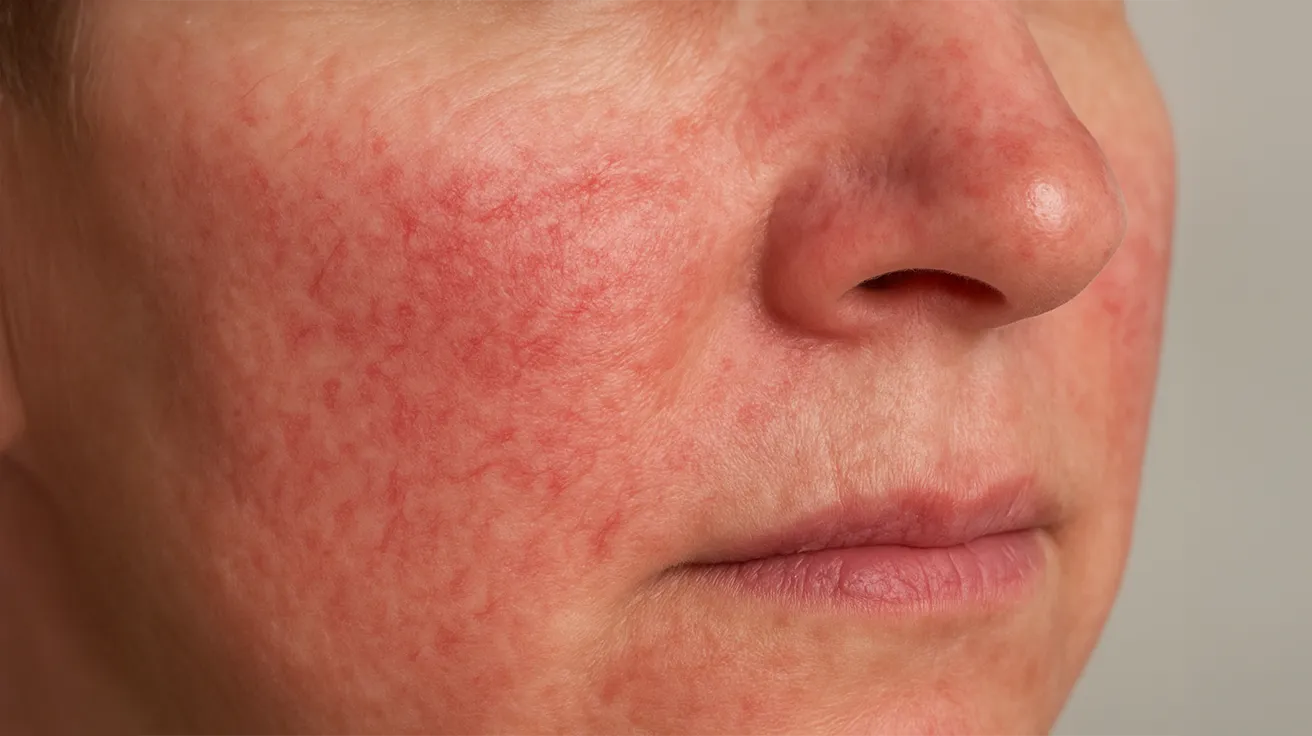
Individuals with certain skin conditions should exercise particular caution. If you have rosacea, eczema, or particularly sensitive or dry skin, you may want to avoid double cleansing completely, as this method can be very stripping to the skin and may exacerbate existing conditions.
With this in mind, it’s crucial to start slowly when introducing any new skincare technique. Try a double cleanse occasionally and closely monitor how your skin reacts. Some people may benefit from double cleansing only a few times per week rather than daily, while others with oily, combination, or blemish-prone skin may find it beneficial for everyday use.
The key is understanding your skin’s unique needs and adjusting your cleansing frequency accordingly. Remember that clean skin is healthy skin, but over-cleansing can disrupt your skin’s natural balance and protective barrier.
As your skin matures and enters your thirties, cellular turnover naturally begins to slow down, leading to a loss of volume and diminished radiance. This is precisely when incorporating facial exfoliation techniques into your night skincare routine becomes crucial for maintaining a youthful, glowing complexion.
Chemical exfoliants work by dissolving the bonds that hold dead skin cells together, allowing fresh, new skin to emerge. Unlike physical exfoliants that use abrasive materials, chemical exfoliants offer a gentler yet more effective approach to cellular renewal. These powerful acids target multiple skin concerns simultaneously, including textured spots, hyperpigmentation, scarring, and overall dullness.
The beauty of chemical exfoliation lies in its ability to encourage your skin’s natural cell turnover process. By starting this preventative measure in your twenties and thirties, you’re establishing a habit-forming regimen that will become increasingly important as you age. Chemical exfoliants will only become more prominent in your nighttime skin repair routine over time.
Now that we understand the importance of chemical exfoliation, let’s explore the two main categories: AHA (alpha hydroxy acids) and BHA (beta hydroxy acids). Each serves distinct purposes in your evening skincare regimen.
AHAs are water-soluble acids that work on the surface layers of your skin, making them ideal for addressing topical issues like:
Key AHA ingredients include:
BHAs are oil-soluble acids that penetrate deep into pores, making them particularly effective for:
Salicylic acid is the most common BHA, capable of cutting through oil in pores to clear out impurities and prevent future breakouts.
For optimal results, consistency is key when incorporating these skincare active ingredients. Regular use at least 2-3 times weekly will yield the best outcomes. Those with sensitive skin may find twice weekly applications perfect, while mature skin can incorporate treatments daily or every other day.
With this understanding of chemical exfoliants established, it’s crucial to address proper layering and combination practices. One of the most important rules in nighttime skincare products application is avoiding the simultaneous use of exfoliating acids with retinol treatments.
Retinol is a potent Vitamin A concentrate that acts as a powerful anti-aging ingredient. However, combining retinol with chemical exfoliants can lead to over-drying and excessive irritation, especially for sensitive skin types. While AHAs and BHAs serve similar cell turnover functions as retinol, they offer a much gentler alternative.
Best practices for safe application include:
When applying chemical exfoliants, use a cotton round to gently sweep the product across your face after cleansing. It’s normal to experience a slight tingling sensation, but this should subside quickly with properly formulated products. Always follow up with ample sunscreen the following day, as chemical exfoliants increase photosensitivity and make your skin more vulnerable to UV damage.
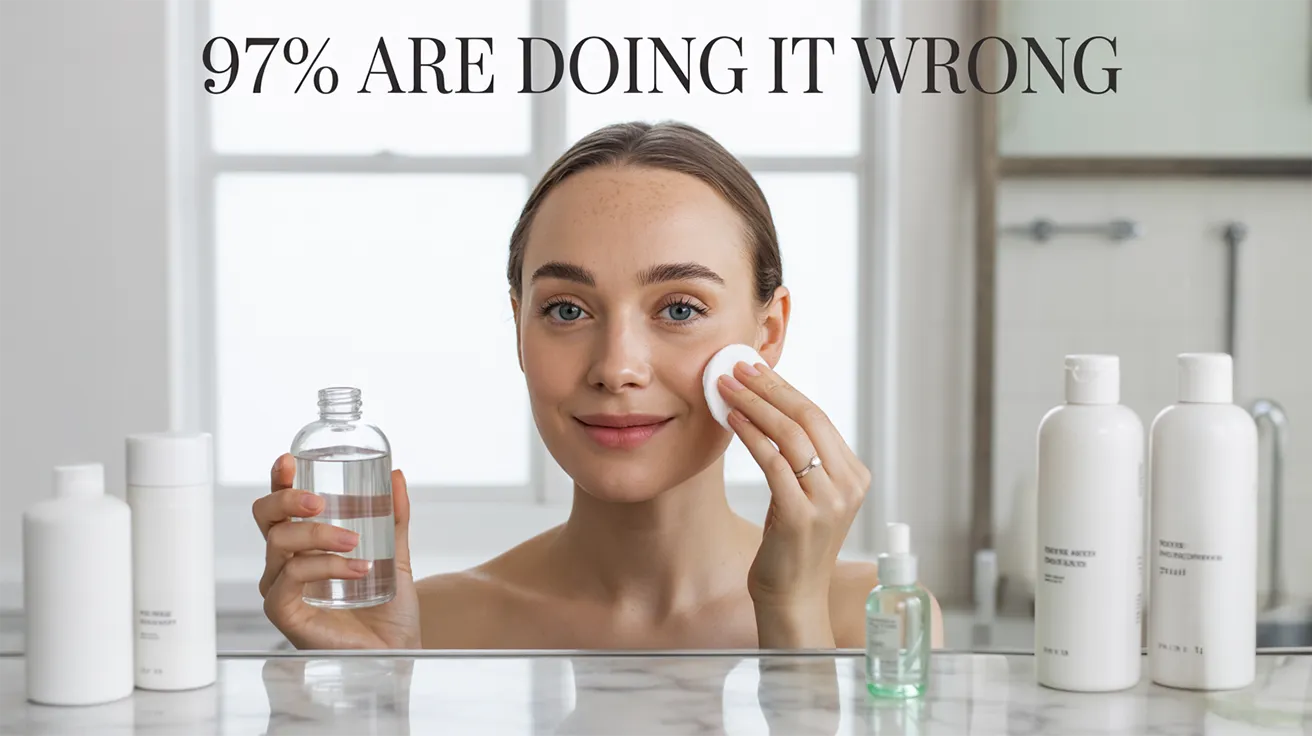
After cleansing, your skin’s naturally acidic pH rises and becomes more basic, disrupting the delicate balance essential for optimal barrier function. This pH imbalance creates a less-than-ideal environment for your subsequent nighttime skincare products to penetrate effectively. Toners play a crucial role in restoring your skin’s pH to its optimal, slightly acidic level.
When your skin maintains its proper acidic pH, it functions as a more effective barrier, keeping moisture locked in while preventing harmful bacteria from penetrating the surface. This restored balance creates the perfect foundation for your evening skincare regimen, allowing serums and moisturizers to absorb more efficiently and deliver their active ingredients deeper into the skin layers.
The pH-balancing properties of toners essentially prime your skin, giving your nighttime skincare products a cleaner, more receptive surface to work with. This preparation step is particularly important during your evening routine when your skin is naturally entering its repair and regeneration phase.
Understanding the different types of toners available helps you select the most appropriate formula for your specific skin needs and nighttime skincare goals. Hydrating toners represent one of the most beneficial options for evening routines, containing moisture-promoting ingredients that work synergistically with your skin’s natural repair processes.
Hydrating toners feature humectants like glycerin, hyaluronic acid, and aloe vera, which draw moisture to the skin’s surface. These formulations are particularly beneficial for dry, dehydrated, or sensitive skin types. The lightweight, essence-like consistency allows for quick absorption while delivering deep hydration that prepares your skin for subsequent treatment products.
Milky toners offer a slightly richer texture and often contain additional nourishing ingredients that provide extra comfort for drier skin types. These formulations can include ceramides and other barrier-supporting ingredients that work overnight to strengthen your skin’s natural protective function.
For those with oily or combination skin, lightweight essences provide hydration without heaviness, while still delivering the pH-balancing and absorption-enhancing benefits essential for an effective night skincare routine.
The application method you choose can significantly impact how effectively your toner prepares your skin for the rest of your nighttime skincare products. Each technique offers distinct advantages depending on your skin type and the specific toner formula you’re using.
Direct hand application proves ideal for hydrating toners, minimizing product loss as the toner goes directly from your palms to your face. This method can improve absorption when the product is gently patted onto the skin using your fingertips. Apply a few drops to your palm, rub your hands together briefly, then smooth the product onto your face using gentle upward motions.
Cotton pad application offers more targeted application and prevents mess, making it ideal for zoning specific areas that need extra attention. This method works particularly well with astringent or exfoliating toners. Saturate the cotton pad with enough product to dampen it without completely soaking it, then gently sweep across your face in upward motions.
Face mist application provides the most convenient option for layering multiple toner applications, as the product absorbs immediately into the skin. This method works excellently for lightweight essences and allows for easy reapplication throughout your evening routine. Simply spritz onto your face two or three times, allowing each layer to absorb before applying subsequent products.
Now that we’ve prepared your skin for maximum absorption, let’s explore the most powerful anti-aging active ingredient in your nighttime arsenal. Retinol, an active form of vitamin A, is essential for cell renewal and repair, making it the cornerstone of any effective nighttime skincare regimen. As an antioxidant, vitamin A naturally depletes with sun exposure during the day, making topical application overnight the perfect opportunity to replenish these vital stores.
The transformative power of retinol lies in its ability to improve the appearance of fine lines and wrinkles, hyperpigmentation, skin roughness, and other visible signs of aging. Start with applications 2-3 times weekly to allow your skin to build tolerance, as retinol can increase sun sensitivity. This is precisely why retinol should only be incorporated into your evening routine – never during daytime hours when UV exposure could cause damage.
With your retinol routine established, niacinamide serums offer complementary benefits for achieving radiant, even-toned skin. This versatile skincare active ingredient works to brighten the complexion while simultaneously reducing redness and inflammation. Niacinamide is gentle enough for nightly use and pairs well with other nighttime skin repair treatments.
The brightening effects of niacinamide make it an excellent choice for addressing uneven skin tone and dullness that accumulates throughout the day. Unlike some active ingredients, niacinamide is suitable for all skin types, including sensitive skin, making it a reliable addition to your evening skincare regimen.
Previously, we’ve discussed how nighttime is optimal for regenerative treatments, and this principle applies perfectly to acne-fighting ingredients. Beta hydroxylic acids (BHAs) like salicylic acid work exceptionally well during your night skincare routine when skin’s natural repair processes are most active. These treatments help target spots, blackheads, and redness while you sleep.
BHA treatments containing 2% salicylic acid are particularly effective for clearing pores and reducing breakouts. For more stubborn acne concerns, prescription options may be necessary – consult with a dermatologist to determine the best nighttime acne treatment for your specific needs.
With this foundation of active treatments in mind, growth factor serums represent the cutting edge of nighttime skin repair technology. These advanced formulations work to promote collagen production and support the skin’s natural regenerative processes that peak during sleep. Growth factors complement other anti-aging night cream ingredients by enhancing cellular regeneration and repair.
The synergistic benefits of combining growth factor serums with other nighttime skincare products like vitamin C and vitamin E create a comprehensive approach to skin renewal. Apply growth factor serums after cleansing but before heavier moisturizers to maximize absorption and effectiveness in your evening routine.
Now that we have covered the essential preparatory steps, incorporating hydrating night serum into your evening skincare regimen becomes crucial for maintaining optimal skin health. Hydrating serums work as concentrated formulations that deliver active ingredients directly to your skin, creating a foundation for overnight repair and regeneration.
The key to effective hydration lies in choosing serums with proven moisture-binding ingredients. Hyaluronic acid stands out as a powerful humectant that holds many times its weight in water, creating a plumping effect that minimizes visible fine lines and wrinkles. When applied nightly, these serums help your skin retain moisture throughout the sleep cycle, ensuring you wake up with a supple, refreshed complexion.
For maximum effectiveness, apply hydrating serums to clean, dry skin using gentle tapping motions with your ring finger. This method encourages absorption without pulling or stretching delicate facial skin. The lightweight nature of quality serums allows them to penetrate deeply while layering seamlessly under heavier moisturizers, making them an essential component of any comprehensive night skincare routine.
Previously, I’ve emphasized the importance of addressing specific skin concerns, and the delicate eye area requires particular attention in your evening skincare regimen. Eye serums and creams are specifically formulated for this sensitive region, targeting common issues like dark circles, puffiness, and the early signs of aging.
The skin around your eyes is significantly thinner than the rest of your face, making it more susceptible to environmental damage and moisture loss. Targeted eye treatments contain concentrated ingredients designed to address these unique challenges. For dark circles, look for formulations containing vitamin C, which encourages skin cell renewal and helps improve the appearance of under-eye discoloration.
Caffeine-infused eye treatments prove particularly effective for reducing puffiness by improving circulation and reducing inflammation. When applied consistently as part of your nighttime routine, these specialized formulas work overnight to restore and rejuvenate the eye area, contributing to a more youthful and refreshed appearance.
With this in mind, next, we’ll explore how peptide-rich formulations can enhance your nighttime skin repair efforts, particularly in the delicate under-eye region. Peptides work as powerful anti-aging ingredients that boost collagen production and improve skin elasticity, making them ideal for addressing fine lines and providing firming benefits.
When selecting eye treatments, prioritize formulas that combine peptides with complementary hydrating ingredients. The most effective formulations often include phospholipids, which mimic the skin’s natural lipids and help lock in moisture while protecting compromised skin barriers. This combination ensures optimal delivery of nutrients while maintaining long-lasting hydration.
Liposome-encapsulated vitamins A, C, and E, along with antioxidants like Green Tea Extract and Co-Q10, provide additional protection from free radical-induced skin damage. These ingredients work synergistically with peptides to deliver comprehensive anti-aging night cream benefits, effectively addressing multiple concerns simultaneously.
Apply peptide-rich eye treatments using your ring finger, gently tapping around the orbital bone without pulling the skin. This application method stimulates circulation while allowing the active ingredients to penetrate effectively. For optimal results, use these treatments both morning and evening, though their regenerative properties make them particularly beneficial as part of your nighttime routine.
Now that we’ve covered the application of serums and treatments, the final crucial step in your night skincare routine involves selecting the right moisturizer to seal in all the beneficial ingredients. A quality moisturizer acts as the ultimate barrier, preventing moisture loss while your skin undergoes its natural repair process during sleep.
The key to effective nighttime moisturizing lies in understanding that face oils can actually complement traditional moisturizers rather than replace them entirely. Face oils provide a potent dose of nourishment directly to your skin, working more effectively because they mimic the natural oils your skin produces. This helps balance and restore your complexion throughout the night.
When selecting your nighttime moisturizer, consider ingredients that support barrier function and cellular repair. Look for formulations that work synergistically with the natural restoration process that occurs while you sleep, ensuring your skin wakes up refreshed and rejuvenated.
Face oils represent a luxurious addition to any night skincare routine, offering targeted benefits for various skin types and concerns. These lightweight liquids are designed to hydrate, soften skin, and even help reduce the appearance of wrinkles while you sleep.
The most effective face oils contain natural ingredients like rosehip seed oil, jojoba oil, and squalane, known for their nourishing and restorative properties. Rosehip seed oil excels at reducing scars and fine lines, while jojoba oil closely mimics your skin’s natural oils, making it an excellent moisturizer. Squalane, derived from olives or sugarcane, offers lightweight hydration and can improve skin elasticity.
For optimal application, cleanse your skin thoroughly, then apply the oil to clean, slightly damp skin. This technique helps the oil absorb more effectively, locking in moisture. Warm 2-3 drops between your palms before gently pressing the oil onto your face and neck.
Choose oils based on your specific skin type: for dry skin, select oils rich in oleic acid like marula or avocado oil. If you have oily or acne-prone skin, lighter oils high in linoleic acid, such as rosehip or grapeseed oil, are ideal as they’re less likely to clog pores.
Face masks serve as an intensive treatment option to complement your regular nighttime skincare regimen. These concentrated treatments can provide a significant hydration boost when your skin needs extra attention or when you want to enhance the overall effectiveness of your routine.
The strategic use of hydrating masks can help improve skin texture, soothe irritation, and protect against environmental stressors that accumulate throughout the day. Many face oils are packed with antioxidants, vitamins, and essential fatty acids that work particularly well when applied as part of a mask treatment.
Consider incorporating hydrating masks 1-2 times per week as part of your evening routine, applying them after cleansing but before your regular serums and moisturizers. This allows the intensive ingredients to penetrate deeply while your skin is in its most receptive state for repair and rejuvenation.
LED light therapy represents a revolutionary advancement in at-home skincare, bringing NASA-studied technology directly to your nighttime routine. Red light therapy utilizes specific wavelengths at 630 nm to promote cellular renewal and support healthy collagen production, making it an essential component of any comprehensive evening regimen.
Professional-grade devices now offer multiple treatment modes targeting various skin concerns. Red light therapy visibly smooths fine lines and wrinkles while improving your natural glow, while blue light therapy specifically targets acne-causing bacteria and reduces sebum production. For comprehensive anti-aging benefits, advanced devices combine red light with deep red light, amber light, and near-infrared light to address crow’s feet, dark circles, puffiness, and other signs of aging.
The technology works by delivering low-level wavelengths of visible LED lights at specific dosages, giving your cells the energy they need to renew, repair, and stay healthy. This painless, non-invasive treatment produces a slightly warm sensation and can be safely incorporated into your nightly routine. Most users report visible results after 30 days of consistent use, with treatments typically lasting just 3 minutes per area.
Microcurrent technology and therapeutic massage features enhance the effectiveness of your nighttime skincare regimen by combining multiple modalities in single devices. Advanced 4-in-1 systems integrate red light therapy with galvanic current, therapeutic warmth, and facial massage to deliver comprehensive skincare benefits during your evening routine.
Galvanic current technology works alongside red light therapy to enhance product absorption while providing gentle muscle toning effects. The therapeutic warmth feature helps open pores and improve circulation, while facial massage promotes lymphatic drainage and reduces tension accumulated throughout the day. This combination approach maximizes the repair and renewal processes that naturally occur during sleep.
These multifunctional beauty tools for skincare require minimal time investment – just 3 minutes per treatment area – making them perfect for busy evening routines. The gentle vibration from therapeutic massage features provides a relaxing experience that helps transition your skin and mind into nighttime recovery mode.
Choosing the appropriate technology depends on your primary skin concerns and treatment preferences. For comprehensive facial rejuvenation, full-face LED masks offer extensive coverage with multiple light wavelengths targeting signs of aging across the entire face and neck area. These devices typically combine red light and near-infrared light therapy for maximum anti-aging benefits.
For targeted concerns, handheld devices provide precision treatment for specific areas like the eye region or individual blemishes. Spot treatment devices using both red and blue light therapy can address breakouts while calming surrounding inflammation in just 3 minutes. Eye-specific devices concentrate multiple light wavelengths to target the delicate eye area, addressing crow’s feet, under-eye bags, and dark circles.
Multi-panel systems offer the ultimate in customization and coverage, allowing expansion for full-body treatments while maintaining the ability to focus on specific areas. Battery-powered options provide maximum flexibility for use anywhere in your home, while larger panel systems with articulating arms offer spa-like experiences.
Consider devices that include complementary serums designed to boost light therapy effectiveness – these specialized formulations contain ingredients that enhance cellular response to LED treatments while providing additional nourishing benefits during your nighttime skin repair process.
The comprehensive nighttime routine outlined above transforms your sleep into the most powerful beauty treatment you’ll ever experience. By systematically cleansing, treating, and nourishing your skin with the right combination of products and techniques, you’re giving your complexion exactly what it needs to repair, renew, and regenerate overnight. Remember, consistency is key—your skin’s natural renewal process peaks while you sleep, making every night an opportunity to wake up with healthier, more radiant skin.
Beauty companies may have kept these step-by-step secrets under wraps, but now you hold the complete blueprint for unlocking your skin’s full potential. Start implementing these expert-backed techniques tonight, and watch as your complexion transforms from tired and stressed to luminous and youthful. Your future self will thank you for making this investment in your skin’s health, one night at a time.

She is a passionate skincare specialist with years of experience helping people uncover their best skin. As the founder of this blog, she blends science-backed advice with practical, everyday tips to make glowing skin accessible to all.