Your Ultimate Guide to Healthy, Glowing Skin – Expert Tips, Honest Reviews & Skincare Secrets!

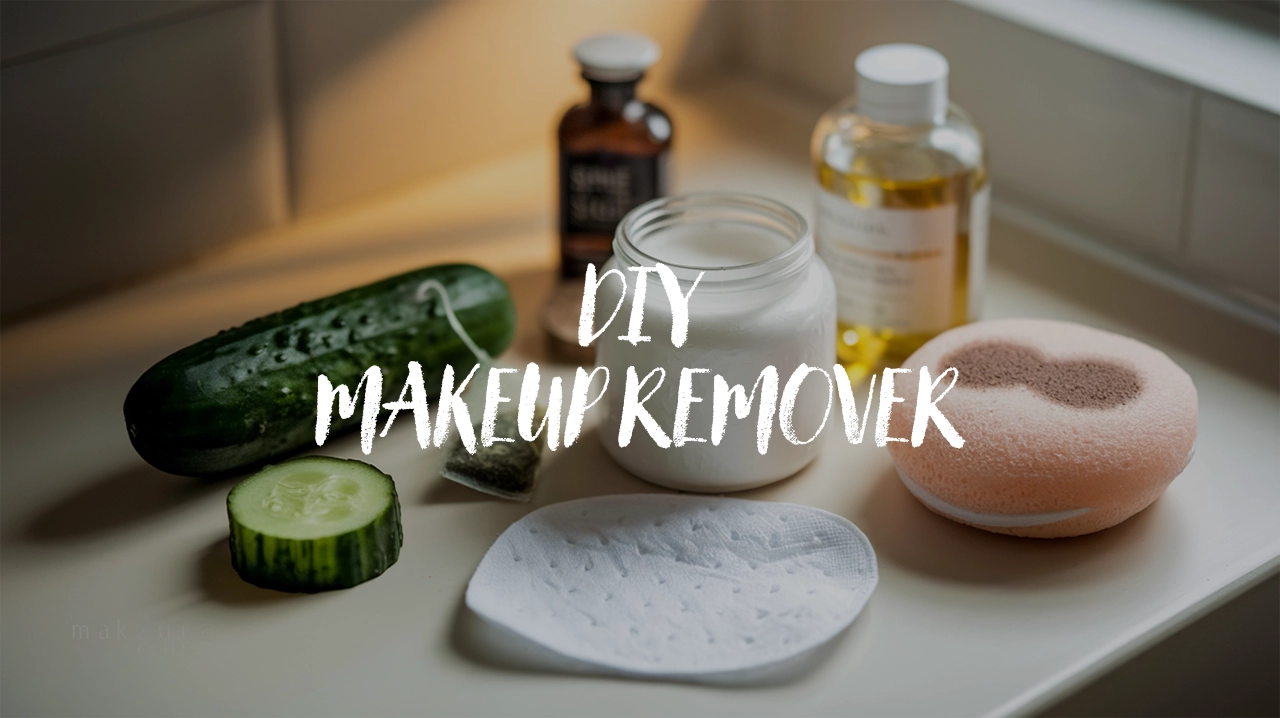
our expensive makeup remover might be sitting right in your kitchen pantry.
For beauty enthusiasts tired of harsh chemicals and budget-conscious consumers seeking effective alternatives, common kitchen ingredients can remove even stubborn waterproof makeup without breaking the bank. These natural makeup remover options work just as well as luxury cleansers while being gentler on your skin and wallet.
Coconut oil tops the list as the most effective DIY makeup remover for heavy makeup, while jojoba oil offers a non-comedogenic solution for acne-prone skin. We’ll explore which essential natural oils work best for different makeup types and skin concerns, plus safe application techniques to avoid irritation. You’ll also learn important skin type considerations to help you choose the right kitchen ingredients for makeup removal based on your specific needs.
Coconut oil stands out as one of the most versatile and effective natural makeup removers in your kitchen arsenal. This powerhouse ingredient excels particularly when dealing with stubborn, heavy makeup and waterproof formulations that traditional cleansers struggle to budge.
According to makeup artist Nydia Figueroa, “Coconut oil is the best, in my opinion, to remove waterproof makeup.” The oil’s unique molecular structure allows it to break down even the most persistent cosmetic formulas, including waterproof mascara and long-wearing foundation. To use coconut oil effectively, simply massage a small amount into your skin like a cleansing balm, then rinse with warm water and wipe away excess with a damp washcloth.
However, dermatologist Dr. Nazanin Saedi notes an important consideration: “Coconut oil can be used to remove makeup effectively; however, if you have acne-prone skin, I will use it cautiously because it can clog your pores.” This comedogenic property means those with oily or breakout-prone skin should exercise caution or consider alternative options.
For those concerned about clogged pores, jojoba oil emerges as an excellent alternative to coconut oil. Dr. Marie Hayag explains, “Jojoba oil is a better option for acne-prone skin because it is non-comedogenic,” making it safe for sensitive and breakout-prone complexions.
This nourishing carrier oil brings multiple benefits beyond makeup removal. Rich in vitamins A, E, and D, plus antioxidants and fatty acids, jojoba oil simultaneously treats the skin while effectively removing even waterproof mascara. Dr. Hayag also notes that jojoba oil helps “regulate sebum production,” making it particularly beneficial for those with oily skin types.
The application process is straightforward: apply jojoba oil to your face, wait approximately one minute for it to penetrate and break down makeup, then gently wipe away with a reusable makeup remover pad.
Sweet almond oil offers another gentle yet effective option for natural makeup removal, particularly suited for those with sensitive or temperamental skin types. Like jojoba oil, sweet almond oil is rich in vitamins A and E, promising to deeply cleanse without causing breakouts or irritation.
Dr. Hayag emphasizes the importance of quality when selecting almond oil: “If you are choosing some sort of oil as a makeup remover, choose one that is cold-pressed and unrefined. In other methods of manufacturing, chemicals used to extract the oil can bind to it and lead to a lesser quality oil.”
Dr. Saedi adds an important safety consideration: “Almond oil has been used to moisturize and cleanse the skin. It has anti-inflammatory and emollient properties, but I would be cautious with anyone with a nut allergy.” Those with known nut allergies should avoid this option and consider other alternatives.
Argan oil brings unique anti-inflammatory properties to natural makeup removal while providing intense moisturization. This Moroccan oil is packed with fatty acids and antioxidants that work wonders for the skin during the cleansing process.
The oil fits perfectly into the double cleansing method, which has been recognized as an effective approach for thorough makeup removal. As noted in the reference content, “Double cleansing has been known to thoroughly remove makeup, and the first step is using an oil cleanser.” Argan oil serves this purpose excellently, removing impurities while simultaneously nourishing your skin.
Grapeseed oil offers unique benefits for skin barrier repair, making it an excellent choice for those looking to improve their skin’s overall health while removing makeup. Dr. Hayag explains that grapeseed oil “is high in linoleic acid, which aids in skin barrier repair functions.”
Dr. Saedi recommends grapeseed oil for all skin types, noting, “Unlike coconut oil, grapeseed oil is non-comedogenic so it can be used on all skin types. It also has antimicrobial and anti-inflammatory effects.” This makes it particularly valuable for those who want the effectiveness of oil cleansing without the risk of clogged pores.
However, Dr. Hayag provides a practical consideration: “Ultimately, cosmetically formulated makeup removers are going to be a better option for most people because they are gentle, more effective, and are less likely to clog pores and cause acne.” While grapeseed oil can be effective, those with acne-prone or reactive skin should exercise caution.
Olive oil, a kitchen staple with ancient beauty traditions, proves remarkably effective for removing even the most stubborn makeup formulations. Dr. Saedi notes, “Olive oil is becoming increasingly trendy in skincare. It can be effective for removing makeup and tough, waterproof makeup.”
This liquid gold offers multiple skin benefits beyond makeup removal. Olive oil contains antioxidants and acts as an emollient, helping to moisturize and hydrate the skin during the cleansing process. The application method is simple: massage a small amount onto your face for a couple of minutes, add water, and continue rubbing gently for another minute or two before rinsing clean.
However, Dr. Saedi provides an important caveat: olive oil “should be avoided if you are acne-prone.” Like coconut oil, olive oil can potentially clog pores, making it unsuitable for those with oily or breakout-prone skin types.
Now that we have covered essential natural oils, witch hazel stands out as one of the most effective plant-based makeup remover alternatives specifically designed for oily skin types. This natural astringent works by gently dissolving makeup while simultaneously managing excess oil production, making it an ideal choice for those struggling with shine and clogged pores.
Unlike oil-based removers that may leave a greasy residue on oily skin, witch hazel provides a thorough cleanse without adding unwanted moisture. When selecting a natural makeup remover for oily skin, witch hazel offers the perfect balance of effective makeup dissolution and oil control. The astringent properties help tighten pores while removing even stubborn waterproof formulas, ensuring your skin remains clean and balanced.
For optimal results, apply witch hazel to a cotton pad and gently press against closed eyelids for a few seconds before wiping away makeup. This technique reduces the need for harsh rubbing while protecting delicate lash areas from damage.
Previously mentioned natural ingredients can sometimes irritate sensitive skin, but cucumber emerges as one of the gentlest plant-based makeup remover options available. This cooling vegetable contains natural enzymes that provide mild exfoliation while simultaneously soothing inflamed or irritated skin during the makeup removal process.
The high water content in cucumber makes it particularly effective for hydrating the skin while removing makeup, creating a refreshing cleansing experience. For those with sensitive skin concerns, cucumber offers fragrance-free, hypoallergenic properties that minimize the risk of irritation commonly associated with commercial makeup removers.
Cucumber’s gentle exfoliating action helps remove dead skin cells and makeup residue without causing micro-tears or irritation. This makes it an excellent choice for daily use, especially around the delicate eye area where harsh scrubbing can lead to premature aging and lash damage.
With this understanding of gentler alternatives in mind, shea butter represents the ultimate plant-based makeup remover for those with dry skin concerns. This rich, nourishing ingredient functions as both an effective makeup dissolver and an intensive moisturizing treatment, addressing two skincare needs simultaneously.
Shea butter’s thick, balm-like consistency makes it particularly effective at breaking down long-wear and waterproof makeup formulas while infusing the skin with essential fatty acids and vitamins. Unlike traditional makeup removers that can strip the skin of natural oils, shea butter actually replenishes moisture levels during the cleansing process.
The deep moisturizing benefits of shea butter make it ideal for incorporating into a double cleansing routine. Begin with shea butter as your first cleanse to dissolve makeup and nourish the skin, then follow with a gentle water-based cleanser to remove any remaining impurities. This method ensures thorough makeup removal while maintaining optimal skin hydration levels, leaving your complexion soft, supple, and completely clean.
When applying natural makeup remover ingredients from your kitchen, proper technique is crucial for effective yet gentle removal. Start by warming the oil or ingredient between your fingertips before application – this is especially important for coconut oil, which has a creamy texture at room temperature. Gently massage the natural makeup remover onto your face using circular motions, allowing the oils to penetrate and break down makeup products for about a minute.
For stubborn or waterproof makeup, particularly mascara, you may need to go over the area multiple times with gentle pressure. Apply the natural oil to a cotton ball or soft washcloth and carefully wipe over the makeup that needs to be removed. When dealing with waterproof mascara, coconut oil proves particularly effective – simply massage it into your lashes like a cleansing balm, then rinse with warm water and wipe the excess with a wet washcloth.
After the oil has had time to dissolve your makeup, add warm water and continue rubbing gently for another minute or two before rinsing clean. For oils like jojoba or olive oil, you can apply them with a cotton ball or washcloth and wipe the skin until the makeup disappears. The oil will typically soak into the skin within ten minutes, leaving your skin soft and makeup-free without requiring additional rinsing.
Double cleansing has been recognized as an effective method to thoroughly remove makeup using natural ingredients. This two-step process begins with using an oil cleanser as the first step to break down makeup and impurities. Natural oils like argan oil work excellently for this purpose, as they remove impurities while nourishing your skin simultaneously.
The first cleansing step involves massaging your chosen natural oil – whether coconut oil, jojoba oil, or sweet almond oil – onto dry skin to dissolve makeup, sunscreen, and excess sebum. This oil-based cleanse effectively breaks down even the most stubborn waterproof formulas. After thoroughly massaging the oil and allowing it to penetrate, rinse with warm water.
Following the oil cleanse, proceed with a second, water-based cleanse using a gentle natural cleanser to remove any remaining traces of oil and ensure your skin is completely clean. This double cleansing method ensures that all makeup residue is removed while maintaining your skin’s natural moisture barrier. The technique is particularly beneficial for those who wear heavy makeup or waterproof products, as the combination provides a thorough yet gentle cleaning process.
When selecting natural oils as DIY makeup removers, the quality and processing method of your ingredients significantly impact their effectiveness and safety. Board-certified dermatologists emphasize choosing cold-pressed and unrefined oils over processed alternatives. As explained by skincare experts, “If you are choosing some sort of oil as a makeup remover, choose one that is cold-pressed and unrefined.”
The manufacturing method matters because in other extraction processes, chemicals used to extract the oil can bind to it, leading to lesser quality oil that may cause skin irritation or reduced effectiveness. Cold-pressed oils retain their natural vitamins, antioxidants, and beneficial compounds that not only remove makeup but also nourish your skin during the cleansing process.
Sweet almond oil, for example, when cold-pressed and unrefined, maintains its rich content of vitamins A and E, promising to deeply cleanse the skin without causing breakouts. Similarly, unrefined jojoba oil preserves its non-comedogenic properties and ability to regulate sebum production, making it ideal for acne-prone skin types.
When shopping for these natural makeup remover alternatives, look for labels specifically stating “cold-pressed” and “unrefined” or “virgin” to ensure you’re getting the highest quality product. These premium options may cost slightly more than processed versions, but they provide superior skin benefits and more effective makeup removal while minimizing the risk of adverse reactions.
Now that we’ve covered the essential natural oils, it’s crucial to understand which kitchen ingredients work best for acne-prone skin. Jojoba oil stands out as the superior choice for those dealing with breakouts. According to dermatologist Dr. Marie Hayag, “Jojoba oil is a better option for acne-prone skin because it is non-comedogenic,” meaning it won’t clog pores that can lead to further breakouts.
Grapeseed oil offers another excellent non-comedogenic alternative for sensitive, acne-prone skin. Dr. Nazanin Saedi recommends grapeseed oil for all skin types, noting that “Unlike coconut oil, grapeseed oil is non-comedogenic so it can be used on all skin types. It also has antimicrobial and anti-inflammatory effects.” The high linoleic acid content in grapeseed oil aids in skin barrier repair functions, making it particularly beneficial for compromised skin.
Witch hazel serves as an exceptional option for oily, acne-prone skin types. This natural astringent has anti-inflammatory properties and helps fight against acne while gently removing makeup. Mix one part witch hazel with one part water and jojoba oil for a super-gentle, homemade makeup remover that won’t aggravate existing breakouts.
Ingredients to avoid for acne-prone skin include coconut oil and olive oil. While effective for makeup removal, Dr. Saedi warns that coconut oil should be used cautiously with acne-prone skin as it can clog pores. Similarly, olive oil should be avoided entirely for those prone to breakouts.
With this in mind, it’s essential to address potential allergic reactions when using nut-based oils from your kitchen. Sweet almond oil, while incredibly mild and rich in vitamins A and E, poses significant risks for individuals with nut allergies. Dr. Saedi emphasizes this concern, stating, “Almond oil has been used to moisturize and cleanse the skin. It has anti-inflammatory and emollient properties, but I would be cautious with anyone with a nut allergy.”
The risk extends beyond just topical reactions. For individuals with severe nut allergies, even skin contact with almond oil can trigger allergic responses ranging from mild irritation to serious systemic reactions. Always perform a patch test on a small area of skin before applying any nut-based oil to your face, and discontinue use immediately if any redness, itching, or swelling occurs.
Alternative options for those with nut allergies include jojoba oil (which is technically a wax, not a nut), grapeseed oil, coconut oil, and olive oil. These provide similar moisturizing and makeup-removing benefits without the allergenic proteins found in tree nut oils.
Previously, we’ve explored individual kitchen ingredients, but it’s important to understand the limitations of DIY solutions compared to professionally formulated products. Dr. Hayag points out a crucial consideration: “Ultimately, cosmetically formulated makeup removers are going to be a better option for most people because they are gentle, more effective, and are less likely to clog pores and cause acne.”
Quality considerations play a vital role in DIY success. When choosing oils for homemade makeup remover, Dr. Hayag recommends selecting cold-pressed and unrefined options: “In other methods of manufacturing, chemicals used to extract the oil can bind to it and lead to a lesser quality oil.” This ensures you’re getting the purest form of the ingredient without potentially harmful processing chemicals.
Professional formulations offer several advantages over kitchen ingredient solutions. They undergo rigorous testing for safety and efficacy, contain stabilizers that prevent bacterial growth, and often combine multiple beneficial ingredients in optimal ratios. For example, commercial cleansing balms may contain nutrient-rich sunflower, moringa, and jojoba seed oils with added antioxidant-rich superberries for enhanced skin benefits.
However, DIY solutions excel in simplicity and ingredient transparency. You know exactly what you’re putting on your skin, and single-ingredient approaches work well for those with multiple sensitivities. The key is understanding your skin’s specific needs and choosing the approach that provides the safest, most effective results for your individual circumstances.
Natural makeup removal doesn’t require expensive products or harsh chemicals. The seven kitchen ingredients we’ve explored—coconut oil, jojoba oil, sweet almond oil, olive oil, and others—offer gentle yet effective alternatives that can outperform costly commercial cleansers. These natural options not only remove even waterproof makeup but also nourish your skin with essential vitamins, antioxidants, and fatty acids.
Remember to choose cold-pressed, unrefined oils for the best quality and always consider your skin type when selecting a natural remover. Those with acne-prone skin should opt for non-comedogenic options like jojoba or grapeseed oil, while those with sensitive skin can benefit from the mild properties of sweet almond oil or shea butter. Start incorporating these budget-friendly, natural alternatives into your skincare routine and discover how effective simple, wholesome ingredients can be for your daily makeup removal needs.

She is a passionate skincare specialist with years of experience helping people uncover their best skin. As the founder of this blog, she blends science-backed advice with practical, everyday tips to make glowing skin accessible to all.