Your Ultimate Guide to Healthy, Glowing Skin – Expert Tips, Honest Reviews & Skincare Secrets!

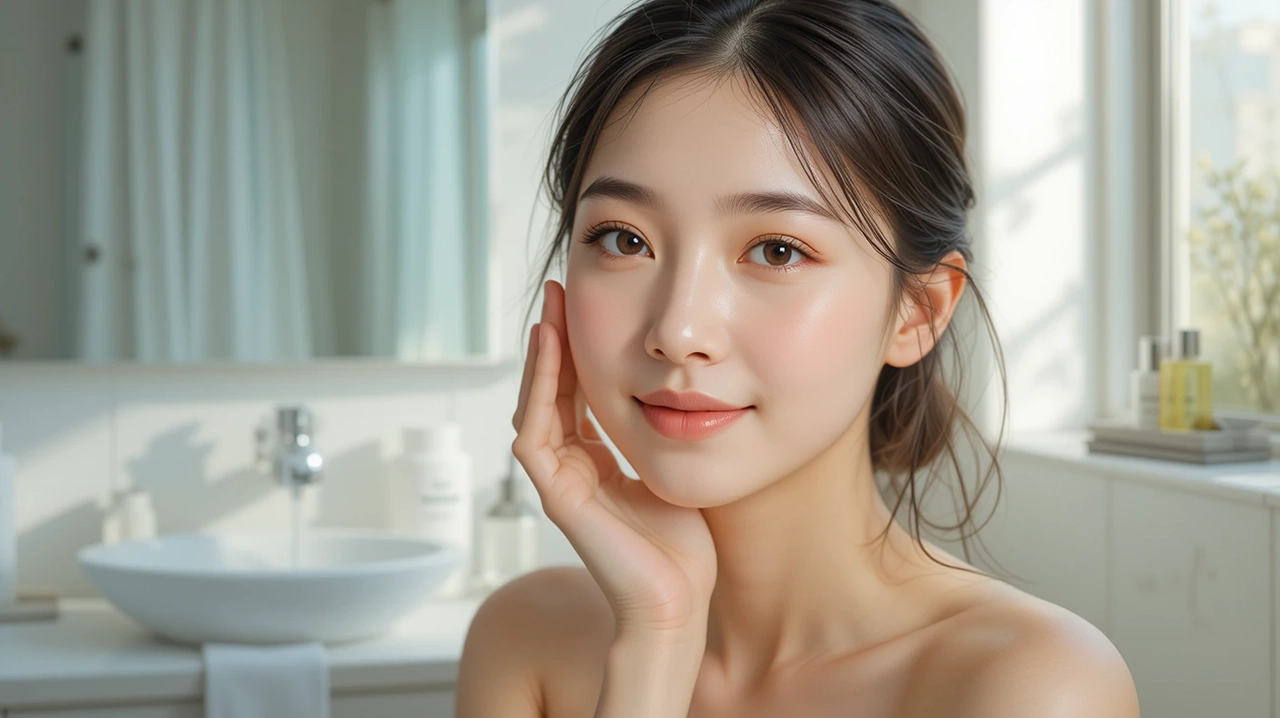
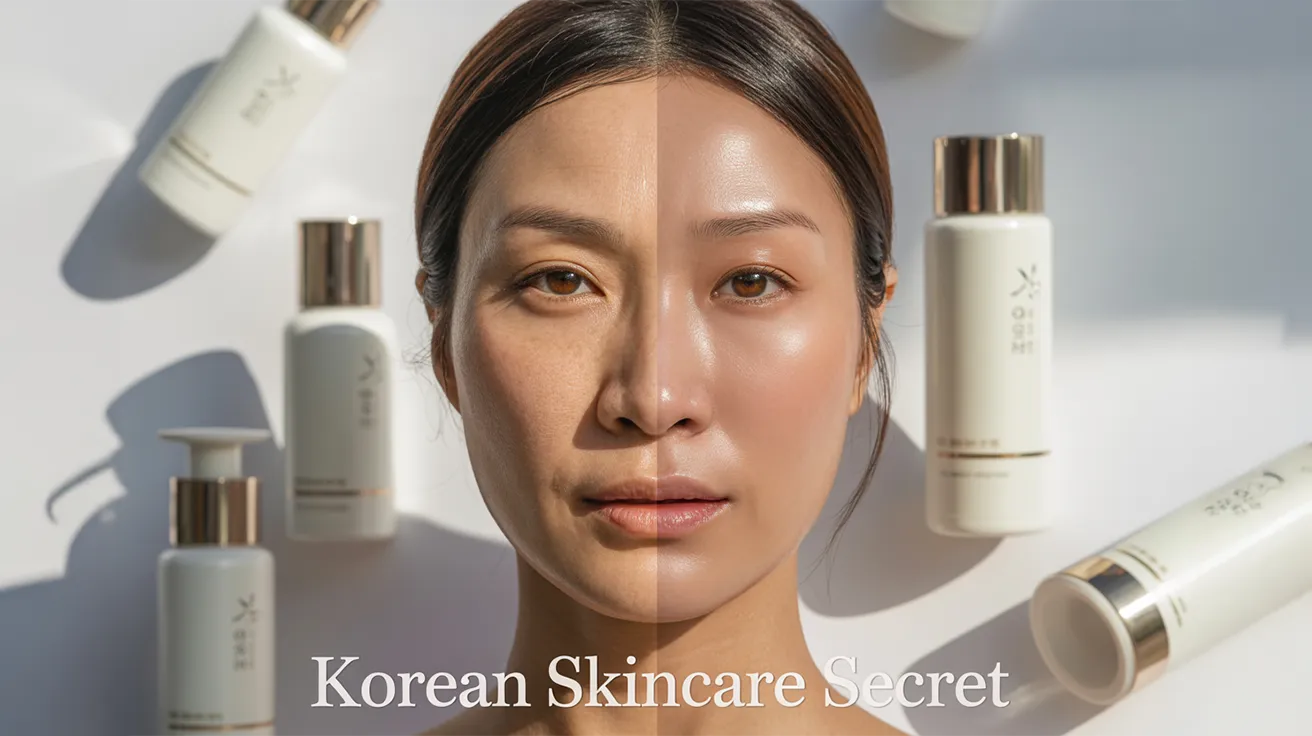
I tried the 10-step Korean skincare routine after struggling with dull, uneven skin for months. My glass skin transformation didn’t happen overnight, but after 30 days of following this methodical approach, my complexion looked smoother, brighter, and more radiant than ever before.
This comprehensive Korean skincare guide is perfect for anyone ready to commit to a detailed beauty routine that delivers real results. You don’t need expensive products or complicated techniques – just consistency and the right steps in the proper order.
I’ll walk you through each essential step of this glass skin routine, from mastering the double cleansing method that removes every trace of makeup and sunscreen, to discovering how Korean skincare products work together to create that coveted dewy glow. You’ll also learn how to customize your K-beauty routine based on your specific skin concerns and schedule, so you can achieve glowing skin without feeling overwhelmed by the process.
The first step of the Korean double cleansing routine begins with an oil-based cleanser, which forms the foundation of achieving that coveted glass skin. This initial cleanse targets non-polar molecules that water-based cleansers simply cannot dissolve effectively. Oil-based cleansers are specifically designed to remove stubborn impurities like makeup, sunscreen, sebum, and environmental pollutants that accumulate throughout the day.
When you apply an oil-based cleanser to your skin, it works on the principle that “like dissolves like.” The cleanser binds to oil-soluble impurities, including waterproof mascara, long-lasting foundation, and SPF products that can clog your pores if not properly removed. These molecules, if left on your skin, can cause irritation, discoloration, and even infection over time.
Oil-based cleansers are available in various forms, including liquid oils, cleansing balms, and cream formulations. Solid forms like balms and creams transform into silky oils when massaged into the skin. However, it’s crucial to understand that not all oil-based cleansers are created equal – many plant-based oils are comedogenic, meaning they can clog pores.
The application technique for oil cleansers is straightforward but essential for maximum effectiveness. Always apply the cleanser to completely dry skin, as water can interfere with the oil’s ability to dissolve impurities. No lathering is required – simply massage the product into your skin using gentle, circular motions. You’ll notice the oils moving around on your face, which indicates the cleanser is actively working to break down impurities.
After thoroughly massaging the oil cleanser for about 30-60 seconds, add a small amount of water and continue massaging. This step causes the oil to emulsify, turning the mixture milky white. This emulsification process allows the oil-based impurities to mix with water, making them easy to rinse away completely with lukewarm water or remove with a soft washcloth.
Following the oil cleanse, the second step involves using a water-based cleanser to eliminate any remaining impurities and oil residue from your skin. This step is essential for removing polar molecules like dirt, sweat, and any leftover oil cleanser that wasn’t completely rinsed away during the first step.
Water-based cleansers come in two main varieties: foaming and non-foaming options. Foaming cleansers tend to be more alkaline than their non-foaming counterparts, which can potentially cause irritation, especially for those with sensitive skin. Non-foaming cleansers are generally gentler and better suited for delicate skin types.
The primary goal of this second cleanse is to ensure your skin feels soft, clean, and adequately hydrated rather than tight or stripped. A proper water-based cleanser should remove all remaining impurities while maintaining your skin’s natural moisture barrier, creating the perfect canvas for the subsequent steps in your Korean skincare routine.
The application method varies depending on the type of water-based cleanser you choose. For foaming cleansers, wet your face first, then apply the product and gently massage it into your skin, allowing it to create a rich lather. For non-foaming cleansers, consider using a soft sponge or applying the product directly to damp skin, which helps build up a gentle lather while minimizing potential irritation.
Understanding pH balance is crucial when selecting cleansers for your double cleansing routine. The ideal pH level for facial cleansers should be slightly acidic, falling between 5-6 on the pH scale. This range closely matches your skin’s natural pH, helping to maintain the skin’s protective acid mantle.
Avoid cleansers with a pH level higher than 7, as these alkaline formulations can disrupt your skin’s natural barrier function. When using alkaline cleansers, your skin may feel temporarily clean but ultimately tight and uncomfortable, indicating that essential natural oils and moisture have been stripped away. This can lead to increased sensitivity, irritation, and the need for additional moisturizing products to restore balance.
For those with sensitive skin, it’s particularly important to avoid foaming cleansers that tend to be more alkaline in nature. Instead, opt for gentler, pH-balanced formulations that cleanse effectively without causing irritation or over-drying.
The Korean double cleansing method is suitable for all skin types when the right products are selected. Even those with oily skin can benefit from this routine, though they should consider using gentler oil-based cleansers to avoid overwhelming their skin. The key is finding the right balance that thoroughly cleanses without compromising your skin’s natural protective barrier, setting the stage for the remaining steps in your glass skin journey.
The first step of the Korean double cleansing routine begins with an oil-based cleanser, which forms the foundation of achieving that coveted glass skin. This initial cleanse targets non-polar molecules that water-based cleansers simply cannot dissolve effectively. Oil-based cleansers are specifically designed to remove stubborn impurities like makeup, sunscreen, sebum, and environmental pollutants that accumulate throughout the day.
When you apply an oil-based cleanser to your skin, it works on the principle that “like dissolves like.” The cleanser binds to oil-soluble impurities, including waterproof mascara, long-lasting foundation, and SPF products that can clog your pores if not properly removed. These molecules, if left on your skin, can cause irritation, discoloration, and even infection over time.
Oil-based cleansers are available in various forms, including liquid oils, cleansing balms, and cream formulations. Solid forms like balms and creams transform into silky oils when massaged into the skin. However, it’s crucial to understand that not all oil-based cleansers are created equal – many plant-based oils are comedogenic, meaning they can clog pores.
The application technique for oil cleansers is straightforward but essential for maximum effectiveness. Always apply the cleanser to completely dry skin, as water can interfere with the oil’s ability to dissolve impurities. No lathering is required – simply massage the product into your skin using gentle, circular motions. You’ll notice the oils moving around on your face, which indicates the cleanser is actively working to break down impurities.
After thoroughly massaging the oil cleanser for about 30-60 seconds, add a small amount of water and continue massaging. This step causes the oil to emulsify, turning the mixture milky white. This emulsification process allows the oil-based impurities to mix with water, making them easy to rinse away completely with lukewarm water or remove with a soft washcloth.
Following the oil cleanse, the second step involves using a water-based cleanser to eliminate any remaining impurities and oil residue from your skin. This step is essential for removing polar molecules like dirt, sweat, and any leftover oil cleanser that wasn’t completely rinsed away during the first step.
Water-based cleansers come in two main varieties: foaming and non-foaming options. Foaming cleansers tend to be more alkaline than their non-foaming counterparts, which can potentially cause irritation, especially for those with sensitive skin. Non-foaming cleansers are generally gentler and better suited for delicate skin types.
The primary goal of this second cleanse is to ensure your skin feels soft, clean, and adequately hydrated rather than tight or stripped. A proper water-based cleanser should remove all remaining impurities while maintaining your skin’s natural moisture barrier, creating the perfect canvas for the subsequent steps in your Korean skincare routine.
The application method varies depending on the type of water-based cleanser you choose. For foaming cleansers, wet your face first, then apply the product and gently massage it into your skin, allowing it to create a rich lather. For non-foaming cleansers, consider using a soft sponge or applying the product directly to damp skin, which helps build up a gentle lather while minimizing potential irritation.
Understanding pH balance is crucial when selecting cleansers for your double cleansing routine. The ideal pH level for facial cleansers should be slightly acidic, falling between 5-6 on the pH scale. This range closely matches your skin’s natural pH, helping to maintain the skin’s protective acid mantle.
Avoid cleansers with a pH level higher than 7, as these alkaline formulations can disrupt your skin’s natural barrier function. When using alkaline cleansers, your skin may feel temporarily clean but ultimately tight and uncomfortable, indicating that essential natural oils and moisture have been stripped away. This can lead to increased sensitivity, irritation, and the need for additional moisturizing products to restore balance.
For those with sensitive skin, it’s particularly important to avoid foaming cleansers that tend to be more alkaline in nature. Instead, opt for gentler, pH-balanced formulations that cleanse effectively without causing irritation or over-drying.
The Korean double cleansing method is suitable for all skin types when the right products are selected. Even those with oily skin can benefit from this routine, though they should consider using gentler oil-based cleansers to avoid overwhelming their skin. The key is finding the right balance that thoroughly cleanses without compromising your skin’s natural protective barrier, setting the stage for the remaining steps in your glass skin journey.
Now that we have covered the foundation of double cleansing, the next crucial step in your Korean skincare routine is choosing the right type of exfoliant for your skin type. Korean exfoliation techniques prioritize skin health over instant results, focusing on gentle yet effective methods that maintain hydration while protecting the skin barrier.
Physical exfoliants are the most familiar type, using abrasive agents to physically remove dead skin cells. However, not all scrubs are created equal. Avoid harsh ingredients like apricot pits or nuts, which can cause tiny tears in your skin. Instead, opt for gentle physical exfoliants containing sugar, natural dissolving beads, or oatmeal. These ingredients provide effective exfoliation without compromising your skin’s integrity. Physical exfoliants work best for those with normal to combination skin types, but should be avoided if you have active breakouts, dry, or sensitive skin.
Chemical exfoliants have revolutionized Korean skincare routines and offer a gentler alternative to physical scrubbing. These use acids and enzymes to dissolve dead skin cells rather than scrubbing them away. The two main categories are Alpha Hydroxy Acids (AHAs) and Beta Hydroxy Acids (BHAs).
AHAs, including lactic acid, glycolic acid, and mandelic acid, work on the surface level to remove dead skin cells and brighten your complexion. They’re particularly effective for fading dark spots and smoothing skin texture. BHAs, primarily salicylic acid, penetrate deeper into pores to break down oil and debris that cause blackheads. BHAs also offer anti-inflammatory and antibacterial properties, making them ideal for acne-prone and oily skin.
Enzymatic exfoliants provide the gentlest option, using natural enzymes from fruits like papaya to dissolve dead skin cells. These are often combined with other Korean skincare ingredients like rice extracts for a natural exfoliation process that supports skin renewal.
Previously, I’ve mentioned that consistency is key in Korean skincare routines, but with exfoliation, less is definitely more. Most exfoliants should be used only 1-3 times per week, depending on your skin type and the product’s strength. This frequency allows your skin to properly regenerate without over-exfoliation, which can damage your skin barrier and lead to irritation.
Someone with normal skin might tolerate daily exfoliation with very gentle products, while those with sensitive skin should limit exfoliation to once weekly. The key is listening to your skin and adjusting accordingly. Chemical exfoliants like peeling gels may be followed by soothing masks to calm the skin, maintaining the balance that Korean skincare is known for.
Start slowly when introducing any new exfoliant to your routine. Begin with once per week and gradually increase frequency only if your skin tolerates it well. Remember, over-exfoliation can lead to redness, increased sensitivity, and even more breakouts – the opposite of what you’re trying to achieve in your glass skin journey.
With this in mind, targeted exfoliation can be particularly effective for specific problem areas that tend to accumulate more dead skin cells and congestion. The nose and cheek areas, which are part of the T-zone, often have larger pores and more oil production, making them prime candidates for focused treatment.
When targeting these areas, consider using products like peeling sticks or targeted treatments that allow for precise application. These can be especially effective for addressing blackheads and enlarged pores without over-treating your entire face. BHA-based products work particularly well in these areas since they can penetrate into pores to dissolve oil and debris.
For congested pores around the nose, gentle physical exfoliation combined with chemical exfoliants can provide comprehensive results. However, always remember to be gentler with these delicate areas and never apply more pressure than you would when washing your face normally.
The cheek area, while generally less oily than the T-zone, can benefit from gentle AHA treatments to maintain smooth texture and brightness. This targeted approach ensures you’re addressing specific concerns while maintaining overall skin health – a cornerstone of effective Korean skincare routines.
Now that we have covered the foundation of your Korean skincare routine with proper cleansing, the next critical step involves restoring your skin’s natural balance through hydrating toners. Your skin’s natural pH is around 5.5, but pollution, oil production, makeup, and everyday exposure can shift your skin’s state and disrupt this delicate balance. Most K-beauty toners have a pH ranging from 5.0 to 5.5, perfectly mimicking your skin’s natural acidic environment.
When you cleanse your face, especially with water from your faucet which has a pH of 7, you can inadvertently leave your skin in an unbalanced state. This is where toners become not just beneficial but essential. “If skin is not at a balanced pH level, it becomes prone to the cycle of excessive dryness followed by too much oil production, and even environmental damage,” explains licensed esthetician Coco Pai.
Toners are critical after your double cleanse because they remove any impurities your cleansers didn’t catch. Licensed esthetician Charlotte Cho, founder of Soko Glam, emphasizes that even after thorough cleansing, bacteria or dirt can linger on your skin. A quality toner acts as your safety net, ensuring your skin is completely clean and ready for the next steps in your Korean skincare routine.
If any bacteria or dirt remains after your double cleanse, a toner will eliminate it effectively. This thorough cleansing action is particularly important for those incorporating the 10-step Korean skincare routine, as each subsequent product needs a perfectly clean canvas to work optimally.
Previously, I’ve emphasized the importance of proper cleansing, but preparing your skin for maximum product absorption is equally crucial for achieving that coveted glass skin. Think of your skin like a sponge – it’s significantly more difficult to rehydrate when it’s completely dried up than when it’s already slightly damp. This analogy perfectly explains why toners are indispensable in your K-beauty regimen.
When your skin is properly hydrated and balanced after applying toner, essences, treatments, and moisturizers will penetrate more deeply rather than sitting on the surface. Licensed esthetician Coco Pai notes that when you have dry skin, products like serums, masks, and moisturizers will simply sit on top of dead skin layers, rendering them less effective.
K-beauty toners facilitate active ingredient penetration from all your subsequent skincare products. Consider your toner as a booster for your vitamin C serums, retinol treatments, or expensive anti-aging creams. After all, for any skincare product to deliver its promised benefits, it must be properly absorbed by your skin.
The lightweight, hydrating formulations found in Korean toners create the ideal environment for layering multiple products without overwhelming your skin. This preparation step ensures that each product in your glass skin routine can work synergistically with the others, maximizing the overall effectiveness of your entire regimen.
With this in mind, selecting the right type of toner is crucial for your Korean skincare journey. Unlike traditional Western toners that often contain harsh, moisture-stripping alcohol, K-beauty toners are formulated with hydrating, gentle, and skin-nourishing ingredients. This fundamental difference is what makes Korean toners suitable for daily use and all skin types.
K-beauty toners are rich in beneficial ingredients like kelp extract, mineral water, amino acids, hyaluronic acid, grapeseed oil, and carrot root oil. These components work together to replenish moisture rather than strip it away. For those concerned about acne-causing bacteria, alcohol-free toners still provide effective antimicrobial benefits through gentler alternatives.
K-beauty toners rely on natural extracts like propolis and chamomile, which naturally keep bacteria at bay without disrupting your skin’s pH balance. These ingredients are significantly more calming and less irritating than alcohol-based alternatives, making them perfect for sensitive skin types or anyone looking to maintain healthy skin barrier function.
When selecting your toner, choose formulations that match your specific skin needs. Drier skin benefits from humectants like hyaluronic acid, which bind moisture to your skin effectively. Oily skin types should look for lightweight formulations that provide hydration without heavy, emollient textures that could potentially clog pores.
The alcohol-free nature of quality K-beauty toners means you can use them consistently without fear of over-drying or irritating your skin, making them an essential component of any effective Korean beauty routine aimed at achieving radiant, glass-like skin.
Now that we have covered the prep work with hydrating toners, essences take hydration to the next level by delivering concentrated, powerhouse ingredients directly into your skin. These lightweight yet potent formulas are designed to flood your complexion with moisture while addressing specific skin concerns simultaneously.
Korean essences excel at driving moisture deep into your skin layers, preventing transepidermal water loss that can leave your complexion looking dull and dehydrated. Unlike traditional Western skincare products, K-beauty essences are formulated with concentrated hydrating ingredients like snail mucin, centella asiatica, mugwort, and bifida ferment that work synergistically to plump and smooth your skin texture.
The magic lies in their molecular structure – essences contain smaller molecules than serums or moisturizers, allowing them to penetrate deeper into the skin barrier. This means ingredients like hyaluronic acid and glycerin can reach the lower layers of your epidermis, creating a reservoir of moisture that lasts throughout the day.
What sets Korean essences apart is their gentle yet effective approach to hydration. Formulas like those containing rice extract and licorice root extract not only provide immediate moisture but also work to brighten and even out skin tone over time. The fermentation process used in many K-beauty essences, such as galactomyces ferment filtrate, helps break down ingredients into more bioavailable forms that your skin can readily absorb and utilize.
Beyond hydration, essences play a crucial role in supporting your skin’s natural renewal process. The concentrated ingredients found in Korean essences actively work to enhance cell turnover, revealing fresher, more radiant skin beneath the surface.
Fermented ingredients like bifida ferment filtrate and galactomyces ferment filtrate are particularly effective at promoting cellular renewal. These probiotics-derived ingredients help strengthen your skin barrier while encouraging the natural exfoliation of dead skin cells. This gentle turnover process is what contributes to that coveted “glass skin” effect – skin that appears smooth, clear, and luminous.
The snail mucin found in popular Korean essences contains natural glycolic acid and elastin, which work together to repair damaged skin cells and promote regeneration. This ingredient has been shown through studies to increase skin hydration, boost barrier function, and reduce inflammation – all essential components of healthy cell turnover.
Essences containing centella asiatica provide additional support for skin renewal by calming inflammation that can disrupt the natural cellular process. This gentle approach ensures that your skin can renew itself without irritation or sensitivity, making essences suitable for even the most reactive skin types.
The beauty of Korean essence formulations is their ability to enhance absorption of subsequent skincare products. By prepping your skin with these concentrated hydrators, you’re creating the optimal environment for serums, treatments, and moisturizers to penetrate more effectively.
With the foundation of understanding how essences work, the Korean skincare philosophy embraces the concept of layering multiple essences to customize your routine for maximum hydration and skin benefits. This technique, often called “essence cocktailing,” allows you to address multiple skin concerns simultaneously while building up moisture levels gradually.
The key to successful essence layering lies in applying them from thinnest to thickest consistency. Start with the most watery essence and work your way up to more viscous formulas. This ensures each layer can penetrate properly without creating a barrier that prevents absorption of subsequent products.
For morning routines, you might layer a brightening rice extract essence first, followed by a hydrating hyaluronic acid essence, and finish with a barrier-strengthening formula containing ceramides. Evening routines can incorporate more intensive essences with ingredients like retinol or niacinamide for overnight repair and renewal.
The patting technique is essential when layering essences. Sprinkle each essence into your palms and gently pat into your face and neck, allowing each layer to fully absorb before applying the next. This method ensures maximum penetration while stimulating circulation for that natural glow.
Different skin types can benefit from specific layering combinations. Dry skin responds well to multiple hydrating essences with ingredients like squalane and panthenol, while combination skin benefits from balancing formulas that contain kaolin clay to control excess oil in the T-zone while maintaining hydration in drier areas.
The concentrated nature of Korean essences means you only need a few drops of each product, making this layering technique both effective and economical. This customizable approach allows you to adjust your routine based on seasonal changes, hormonal fluctuations, or specific skin concerns that arise.
Now that we’ve established a strong foundation with cleansing, exfoliation, and hydration, it’s time to focus on targeted treatments that address your specific skin concerns. This is where the magic of Korean skincare truly shines—power treatments like serums and ampoules deliver concentrated active ingredients that tackle everything from stubborn acne to fine lines and hyperpigmentation.
Korean serums and ampoules are renowned for their innovative, future-forward formulas that often feature trending ingredients long before they make their way to Western markets. Unlike harsh treatments that can dry out your skin, these gentle yet effective formulations focus on deeply nourishing skin while preventing signs of aging.
For Acne-Prone Skin, centella asiatica (cica) remains one of the most powerful ingredients in K-beauty. The Skin1004 Madagascar Centella Probio-Cica Intensive Ampoule takes this hero ingredient to the next level with premium cica sourced from Madagascar and fermented to enhance its calming properties. This fermentation process elevates the ingredient’s ability to heal breakouts while improving your skin’s moisture barrier function. The formula also contains ceramide NP, which helps strengthen the skin barrier and prevent future breakouts.
For Anti-Aging Concerns, retinol has finally found its place in Korean skincare formulations. The Iope Retinol Super Bounce Serum represents nearly 20 years of retinol research, featuring four different retinoids including pure retinol, encapsulated retinol, granactive retinoid, and bio-seletinoid. Granactive retinoid is particularly noteworthy as it’s considered the next generation of retinol—less irritating yet more effective than prescription retinol because it binds directly to retinoid receptors without conversion, reducing irritation while accelerating collagen and elastin production.
For Hyperpigmentation and Dark Spots, the combination of vitamin C, niacinamide, and tranexamic acid proves incredibly effective. Dr. Althea’s Vitamin C Boosting Serum features sea buckthorn water naturally rich in vitamin C, alongside pure vitamin C, niacinamide, and tranexamic acid. Tranexamic acid works by blocking the interaction between keratinocytes and melanocytes, effectively reducing hyperpigmentation formation.
Previously, I’ve mentioned the importance of layering products correctly, and this principle becomes crucial when applying multiple power treatments. The golden rule for Korean skincare is to apply products from thinnest to thickest consistency, allowing each layer to absorb properly before applying the next.
Start with the most liquid-like consistency first. For example, if you’re using the Wellage Real Hyaluronic Blue Ampoule, which has a toner-like consistency, apply this before thicker serums. The lightweight, rapidly-absorbent texture allows for multiple layers without feeling heavy or sticky on the skin.
Next, apply medium-consistency serums like vitamin C treatments or brightening formulas. The Dr. Althea Vitamin C Boosting Serum has a viscous, gel-like texture that should be applied after thinner ampoules but before heavier treatments.
Finally, finish with the thickest treatments. The Iope Retinol Super Bounce Serum, with its creamy, butter-yellow formula that feels ultra-moisturizing and lotion-like, should be your final power treatment step before moving on to eye cream and moisturizer.
Remember to pat each product gently into your skin rather than rubbing, allowing 30-60 seconds between each application for proper absorption. This methodical approach ensures maximum efficacy from each active ingredient.
With this layering system in mind, prescription topicals can be seamlessly integrated into your Korean skincare routine. The key is understanding where these medications fit in the thin-to-thick application order and how they interact with other active ingredients.
If you’re using prescription retinoids like tretinoin, apply them after your thinnest serums but before heavier treatments. Many users find success mixing calming serums like the Beauty of Joseon Calming Serum with their prescription retinoids to minimize irritation. The mugwort and green tea in this formula provide anti-inflammatory benefits that complement stronger actives.
For prescription acne treatments containing benzoyl peroxide or salicylic acid, apply these after cleansing and toning but before hydrating serums. Follow with soothing ingredients like the fermented cica in Skin1004’s ampoule to calm any potential irritation.
Hydroquinone for hyperpigmentation should be applied to clean skin before other actives, then followed by hydrating and barrier-repairing ingredients. Korean serums with ceramides, like the Aestura Atobarrier365 Hydro Cera-HA Serum, work excellently to strengthen the skin barrier when using prescription treatments.
The lightweight, non-sticky texture that characterizes Korean serums makes them ideal companions for prescription topicals, providing necessary hydration and barrier support without interfering with the medication’s efficacy. This thoughtful integration ensures you can maintain your glass skin goals while addressing specific dermatological concerns.
Sheet masks serve as powerful delivery vehicles that saturate your skin with concentrated formulations of active ingredients. Unlike traditional serums or moisturizers, these masks create an occlusive barrier that prevents evaporation, allowing every drop of essence to penetrate deeply into your skin. The secret lies in their ability to maintain consistent contact with your face, ensuring optimal absorption of hydrating and treatment ingredients.
Korean sheet masks are formulated with potent concentrations of proven ingredients like hyaluronic acid, niacinamide, and vitamin C. For instance, the Torriden Dive In Sheet Mask features a sophisticated 5D multi-low-molecular hyaluronic acid system that delivers hydration at different skin levels – not just the surface. This multi-weight approach ensures that moisture reaches both the upper and deeper layers of your skin for lasting results.
The Dr. Althea Jelly Seal Dewy Mask takes this concept even further with 10 different types of hyaluronic acid ranging from high to ultra-low molecular weights. This comprehensive hydration system instantly plumps the surface while penetrating deep for improved elasticity and long-lasting moisture retention. The gel technology creates a moisture-locking seal that helps actives absorb more effectively than traditional application methods.
Now that we understand how sheet masks deliver concentrated ingredients, the key to maximizing their benefits lies in selecting the right mask for your specific skin concerns. Korean skincare philosophy emphasizes customization, and sheet masks offer the perfect opportunity to address your skin’s changing needs.
For hydration and barrier support, masks containing ceramides, panthenol, and allantoin work exceptionally well. The Round Lab 1025 Dokdo Hydrating Water Gel Mask combines mineral-rich deep-sea water with hyaluronic acid and amino acids, making it ideal for sensitive or reactive skin that needs gentle yet effective hydration.
When targeting brightness and evening skin tone, look for masks with niacinamide and vitamin C. The Hanyul Yuja Vitamin Sleeping Mask harnesses the power of six yuja fruits rich in vitamins B, C, E, and P to deliver radiance-boosting benefits that extend well into the next day.
For calming irritated or stressed skin, centella asiatica-based masks provide instant relief. The Celimax The Real Cica Calming Ampoule Mask combines centella asiatica with madecassoside and hyaluronic acid to reduce redness, accelerate skin repair, and strengthen the barrier function.
Those dealing with mature skin concerns can benefit from collagen-infused formulations. The Biodance Bio-Collagen Real Deep Mask uses ultra-low molecular weight collagen and oligo hyaluronic acid for deeper penetration, resulting in visibly plumper, more hydrated skin that maintains its glow for hours after removal.
Previously, I’ve emphasized the technical benefits of sheet masks, but their value extends beyond skincare results to encompass valuable self-care moments. The recommended 15-20 minute application time creates a perfect opportunity to disconnect from daily stresses and focus on personal wellness.
During this dedicated time, resist the urge to multitask. Instead, lie back and allow the cooling sensation of the mask to provide a spa-like experience at home. Many users find that storing their sheet masks in the refrigerator enhances this effect, providing additional depuffing and soothing benefits, particularly beneficial for morning routines or after long days.
The ritual aspect of sheet masking is equally important as the skincare benefits. Taking time to properly unfold the mask, smooth out air bubbles, and ensure complete facial contact creates a mindful moment that signals to your body and mind that this is dedicated self-care time. This psychological benefit contributes to overall wellness and stress reduction.
After removal, gently pat any remaining essence into your skin rather than washing it off. This final step maximizes the treatment benefits while extending the relaxation experience. Many masks contain enough excess serum to treat your neck, décolletage, or hands, making this truly a full-body pampering session that justifies the investment in both time and skincare results.
The delicate skin around your eyes is up to 10 times thinner than the rest of your face, making it particularly vulnerable to signs of aging and environmental damage. Previously, I’ve found that most people overlook this critical area in their Korean skincare routine, but proper eye care is essential for achieving that coveted glass skin look.
Korean eye creams excel at addressing multiple concerns simultaneously through innovative formulations. Dark circles, often caused by poor circulation, dehydration, or genetic factors, respond particularly well to ingredients like vitamin C, niacinamide, and caffeine. The Goodal Green Tangerine Vita-C Dark Circle Eye Cream exemplifies this approach, combining green tangerine-derived vitamin C with niacinamide to brighten and smooth the under-eye area while creating a beautiful base for makeup application.
For puffiness, which typically results from fluid retention or inflammation, Korean formulations often incorporate anti-inflammatory ingredients like Centella Asiatica, green tea extract, and cooling applicators. The Chasin Rabbits Bunny Line Smoother features a refreshing roller that instantly cools and smooths undereyes, perfect for mornings when you wake up puffy. The probiotics, matcha, and Amazon rainforest-derived oils work together to reduce the appearance of those stubborn under-eye bags.
Fine lines around the eyes require a different approach, focusing on hydration, collagen stimulation, and gentle actives. Ginseng, a signature Korean skincare ingredient, offers anti-inflammatory and antioxidant properties that help balance irritation while stimulating collagen production. The Beauty of Joseon Revive Eye Serum combines retinal with ginseng and niacinamide, creating a powerful yet gentle formula that fights signs of aging without causing irritation.
Hyaluronic acid deserves special mention as an eye cream superhero ingredient. The Hanskin Real Complexion Hyaluron Eye Serum, dubbed “an HA monster” by dermatologists, delivers intense hydration that helps plump fine lines and maintain moisture in the thin eye area skin. Its unique triple-roller applicator provides a cooling massage effect while dispensing the watery serum formula.
Now that we understand the importance of eye care, proper application technique becomes crucial for maximizing benefits while protecting this sensitive area. The ring finger method isn’t just a beauty myth—it’s scientifically sound advice based on the anatomy of your hand.
Your ring finger naturally applies the least pressure among all your fingers, making it ideal for the delicate eye area. When applying eye cream, use your ring finger to gently tap or pat the product around the orbital bone, starting from the inner corner and working outward. This tapping motion helps stimulate circulation without stretching or pulling the skin.
Korean beauty experts emphasize the importance of avoiding dragging motions, which can contribute to premature aging and worsen existing fine lines. Instead, allow the eye cream to absorb naturally through gentle patting. This technique also helps prevent milia—those small white bumps that can form when heavy products are rubbed too vigorously into the skin.
For products with cooling applicators like the TirTir Collagen Lifting Eye Cream’s metal roller, the built-in massager eliminates guesswork while providing additional circulation benefits. The cooling sensation helps reduce morning puffiness while the gentle massage promotes lymphatic drainage.
With this foundation of proper application in mind, choosing the right active ingredients becomes the final piece of your eye care puzzle. Korean eye creams distinguish themselves through unique ingredient combinations that address specific concerns while maintaining gentle efficacy.
For anti-aging concerns, look for formulations that combine multiple approaches. Peptides, found in products like the Medicube Deep Reviving Peptide Eye Cream, help signal collagen production while providing intense moisture. When paired with hyaluronic acid, peptides create a powerful anti-aging duo that targets fine lines while preventing dryness.
Retinol alternatives have gained popularity for those seeking anti-aging benefits without irritation. Bakuchiol, featured in the Haruharu Wonder Black Rice Bakuchiol Eye Cream, offers retinol-like benefits with improved tolerance for sensitive skin. This plant-derived ingredient can be used both morning and night, making it perfect for consistent use in your Korean skincare routine.
Snail mucin represents another Korean skincare innovation worth incorporating. The CosRx Advanced Snail Peptide Eye Cream contains 72% snail mucin, which provides a complex mix of glycoproteins, hyaluronic acid, and peptides. While clinical research on snail mucin remains limited, dermatologists appreciate its hydrating, soothing, and potential anti-aging properties.
For those dealing with mature skin concerns, consider more intensive formulations like the Numbuzin NAD+ Retinol Volumetox Eye Cream. This powerful combination of peptides, retinol, and NAD+ enhances collagen-boosting effects, though it requires gradual introduction starting with two to three applications per week.
Collagen-based formulations offer another avenue for firming and hydrating benefits. The Abib Collagen Eye Crème combines plant-derived collagen with niacinamide, bakuchiol, peptides, and caffeine, creating a luxurious yet affordable option that immediately improves skin texture and firmness.
Now that we’ve covered the essential treatment steps in your Korean skincare routine, the moisturizer serves as the crucial protective barrier that seals in all the goodness from your previous layers. Whether it’s a lightweight gel or a rich cream, moisturizers deliver lasting hydration, strengthen the skin barrier, and lock in the steps that come before. This step is absolutely non-negotiable in achieving that coveted glass skin appearance, as it helps smooth texture, soften fine lines, and keep skin balanced and healthy around the clock.
Korean moisturizers excel at providing incredible textures that exceed expectations with sensorial experiences. The formulations are designed to not only provide comprehensive skin-care benefits but also significantly affect how your skin looks and feels after application. The key ingredients to love in Korean moisturizers include panthenol, ceramides, and squalane – powerhouse components that work synergistically to fortify your skin’s natural protective barrier while delivering deep, lasting hydration.
The science behind this step is simple yet effective: your skin acts like a sponge, and after all the hydrating essences, treatments, and serums you’ve applied, the moisturizer creates a protective seal that prevents trans-epidermal water loss. This sealing action is what transforms your skin from merely hydrated to truly luminous and plump.
With this in mind, selecting the right moisturizer texture becomes paramount to your routine’s success. Korean skincare offers an impressive array of moisturizer formats, each designed to address specific skin needs and preferences. The beauty of K-beauty moisturizers lies in their diverse textures and innovative formulations that cater to every skin type.
For those with oily or combination skin, gel moisturizers provide the perfect solution. These lightweight formulas absorb immediately without leaving any heavy or greasy residue behind. The Dr. Jart+ Cicapair Cooling Gel Moisturizer exemplifies this category perfectly – it absorbs instantly and leaves behind a soft, selfie-ready finish while effectively calming redness and irritation.
If you have normal to dry skin, cream moisturizers offer the ideal balance of hydration and nourishment. The Sulwhasoo Concentrated Ginseng Renewing Cream features concentrated ginseng, peptides, and retinol to deliver powerful anti-aging results while maintaining that luxurious, custard-like texture that Korean skincare is famous for.
For sensitive or acne-prone skin types, look for gentle formulations like the Dr. Althea 345 Relief Cream, which is exceptionally gentle and powered by niacinamide, resveratrol, and plant extracts to keep breakouts at bay while providing essential hydration.
The Aromatica Youth Glow Vita Cream represents the innovative spirit of Korean skincare with its unique lightweight, custard-like texture that instantly refreshes and soothes while focusing on clean, earth-friendly ingredients.
Previously, I’ve emphasized the importance of consistency in your Korean skincare routine, and this principle is especially crucial when it comes to moisturizer application. The proper technique involves patting the moisturizer into your face and neck both morning and night, every single day, without exception.
The application method matters just as much as the product itself. Rather than rubbing or dragging the moisturizer across your skin, gently pat it in using upward motions. This technique helps promote better absorption while avoiding unnecessary stress on your skin’s delicate tissues.
During your morning routine, the moisturizer serves as the perfect base for your sunscreen, creating a smooth, hydrated canvas that allows for seamless SPF application. In the evening, it becomes the final protective layer that works overnight to repair and restore your skin while you sleep.
No matter your skin type or the climate you’re in, a good moisturizer is essential to lock in all the previous steps and protect your skin barrier. There are many different types of moisturizers with various formats, benefits, and ingredients that can either target specific concerns or provide multiple benefits at once. Finding the right one depends on your skin’s needs and the results you’re looking for.
The transformative power of consistent moisturizer use cannot be overstated. Within just a few weeks of diligent application, you’ll notice improved skin texture, enhanced radiance, and that signature glass skin glow that makes Korean skincare so coveted worldwide.
Now that we’ve covered the importance of moisturizing in your K-beauty regimen, let’s discuss the most crucial step that protects all your previous skincare investments: daily sun protection. Korean skincare philosophy emphasizes that SPF 30+ should be applied every single morning, whether it’s sunny, cloudy, or raining. This isn’t just about preventing sunburn – it’s about protecting your glass skin goals from the invisible damage that occurs daily.
UV rays penetrate through windows and clouds, meaning your skin is constantly exposed to aging UVA rays that darken skin and create premature wrinkles, pigmentation, and dullness. Korean skincare experts understand that broad spectrum sunscreen is essential for maintaining the luminous, healthy complexion that defines glass skin. When you wear sunscreen with broad spectrum protection every day, you significantly reduce your risk of skin cancer while preserving your skin’s youthful appearance.
The key is consistency – making sunscreen application as automatic as brushing your teeth. Korean beauty routines prioritize this step because UV damage is cumulative, and even minimal daily exposure adds up over time to create visible aging signs that can undo months of dedicated skincare work.
With this commitment to daily protection in mind, Korean sunscreen technology has revolutionized the SPF experience with formulas that feel nothing like traditional sunscreens. Korean sunscreens are specifically designed to glide on like a dream, disappear without a trace, and actually enhance your skincare routine rather than feeling like a heavy afterthought.
There are two main types of Korean sunscreen formulations to consider. Chemical Korean sunscreens, like Round Lab’s Birch Moisturizing Sunscreen, contain innovative UV filters that don’t leave any white cast but require application 20 minutes prior to sun exposure. These formulas blend seamlessly into skin and layer beautifully with other skincare products and makeup.
Physical Korean sunscreens, also called mineral sunscreens, sit on top of skin to reflect UV rays. While traditional physical formulas can leave a white cast, advanced Korean mineral options like Koolsol by Knours Ultra Light Invisible Mineral Sunscreen SPF 50 have nearly eliminated this issue while maintaining the gentle, non-irritating benefits of zinc oxide.
The best Korean sunscreen formulas are infused with skin-beneficial ingredients that actually improve your complexion while protecting it. Look for formulations containing:
These multi-functional formulas mean your sunscreen becomes an active part of your glass skin routine, not just protection.
Previously, I’ve mentioned the importance of morning application, but maintaining protection throughout the day requires strategic reapplication every two hours. This is where Korean sunscreen technology truly shines – the lightweight, invisible formulas make reapplication effortless rather than disruptive to your makeup or skincare layers.
Korean sunscreens are specifically formulated to layer well over existing makeup and skincare products. Unlike heavy Western formulas that can pill or create an uneven finish when reapplied, Korean options like Laneige Hydro UV Defense Sunscreen maintain their silky feel and don’t disturb your base makeup when applied throughout the day.
The key to successful reapplication is choosing the right formula for your skin type:
| Skin Type | Recommended Korean Sunscreen | Key Benefits |
|---|---|---|
| Dehydrated/Dull | Then I Met You Essence Light Sunscreen | Ceramides and hyaluronic acid boost moisture |
| Dry | Laneige Hydro UV Defense EX | Hydro-ionized minerals provide lasting hydration |
| Oily/Acne-prone | Haruharu Wonder Black Rice | Velvety finish that doesn’t emphasize shine |
| Normal | Thank You Farmer Sun Project | Balanced hydration with niacinamide benefits |
For seamless reapplication, use gentle patting motions rather than rubbing, and consider keeping a travel-size tube in your bag for touch-ups. The elegant texture of Korean sunscreens means reapplication actually refreshes your complexion, adding a subtle healthy glow rather than creating a heavy, cakey appearance.
Remember that chemical sunscreens need those crucial 20 minutes to become fully effective, so if you’re switching between indoor and outdoor environments, plan accordingly. Physical sunscreens work immediately upon application, making them ideal for unexpected sun exposure throughout the day.
The key to mastering your Korean skincare routine lies in understanding that your skin’s needs fluctuate daily based on various factors including weather, stress levels, hormonal changes, and your skin’s current condition. Rather than rigidly following the same 10-step routine every single day, successful glass skin enthusiasts learn to adapt their regimen based on what their skin is telling them.
On days when your skin feels particularly dry or dehydrated, you might want to layer additional hydrating essences or apply a sheet mask for that extra moisture boost. The reference experts emphasize that glass skin is fundamentally about maximizing hydration and skin health, so listening to your skin’s hydration needs is crucial. If you notice your skin looking dull, you might incorporate your brightening serums more frequently, or if your pores appear more visible, focus on your pore-minimizing cleansers and toners.
Weather conditions also play a significant role in customizing your Korean skincare routine. During humid summer months, you might reduce the number of hydrating layers and opt for lighter textures, while winter weather may require you to amp up your moisturizing steps. The beauty of the K-beauty approach is its flexibility – you can adjust the intensity and focus of each step without abandoning the core principles of double cleansing, proper hydration, and sun protection.
Now that we understand the importance of customization, it’s crucial to recognize that achieving glass skin isn’t about immediately implementing all 10 steps at once. The reference content strongly advises beginning your Korean beauty routine by adding one product at a time and allowing your skin to adjust for several days before introducing the next product. This methodical approach helps you identify which products work best for your skin type and prevents overwhelming your skin barrier.
When starting your glass skin routine, experts recommend beginning with the foundational steps: double cleansing, a gentle toner, and a basic moisturizer with sunscreen. Once your skin has adapted to these core elements over a week or two, you can gradually introduce essences, serums, and treatment products. This slow integration is particularly important when incorporating active ingredients like exfoliants containing AHAs, BHAs, or retinoids, as the reference content warns against over-exfoliating, which can cause skin irritation.
The gradual approach also allows you to properly assess each product’s individual impact on your skin. If you introduce multiple K-beauty products simultaneously and experience irritation or breakouts, it becomes nearly impossible to identify which product is causing the issue. By building tolerance slowly, you create a sustainable Korean skincare routine that your skin can handle long-term.
With this gradual build-up approach in mind, the most critical factor in achieving authentic glass skin is maintaining consistency with your established routine. The reference content clearly states that patients who follow the glass skin routine typically begin to see improved skin tone and texture within one week of starting the process, with full glass skin results usually achieved two to three weeks after beginning the routine.
However, these results don’t happen overnight, and the reference content emphasizes that glass skin cannot be achieved in just 1, 2, or 3 days. The process requires several weeks of consistent application because the skincare products work by triggering your body’s natural skin cell turnover and collagen production processes. Dark spots, blemishes, and enlarged pores require time to diminish through these natural regenerative processes.
To maintain your dewy, clear, glowing skin results, the Korean skincare routine must become a non-negotiable part of your daily regimen. This means applying your skincare products morning and night consistently, exfoliating at most twice a week, and never skipping your broad-spectrum sunscreen application. The reference content stresses that strict sun protection with SPF 30 or higher sunscreen every morning is essential, as UV rays can reduce collagen production and generate dark spots that counteract your glass skin progress.
The commitment to consistency extends beyond just product application – it includes maintaining the overall health practices that support glass skin from within. This includes staying hydrated by drinking adequate water, managing stress levels, maintaining a balanced diet, exercising regularly, and ensuring sufficient sleep, as these lifestyle factors have profound anti-aging effects on the skin and support your topical skincare efforts.
The journey to glass skin doesn’t happen overnight, but following this comprehensive 10-step Korean skincare routine consistently can transform your complexion in just 30 days. From the foundational double cleanse that removes every trace of impurities to the targeted treatments that address your specific concerns, each step builds upon the last to create a symphony of hydration, protection, and renewal. The key lies in understanding that Korean skincare emphasizes gentle yet effective ingredients, layering lightweight products for maximum absorption, and treating your skin with the patience it deserves.
Remember that skincare is deeply personal, and while these 10 steps provide an excellent framework, you have the flexibility to customize your routine based on your skin’s unique needs. Start gradually, introducing new products one at a time, and pay attention to how your skin responds. With consistency, the right products, and a commitment to this time-tested approach, you’ll be well on your way to achieving that coveted glass skin glow that radiates health from within.

Your go-to guide for all things beauty and wellness, with a knack for uncovering the secrets to radiant skin and a balanced life.